Recommended title:
Social Media, Misinformation, and the Health of Democracy
The intersection of social media and politics remains one of the defining challenges for modern democracies. Platforms that enable instant sharing also accelerate the spread of misleading or false information, changing how citizens form opinions, how campaigns target voters, and how institutions maintain public trust. Understanding the dynamics—and what can be done about them—matters for voters, policymakers, and civic groups.
How misinformation spreads
Algorithms prioritize engagement. Content that provokes strong emotions—outrage, fear, excitement—tends to get amplified.
That boosts sensational or misleading posts, because those attract clicks, comments, and shares faster than nuanced reporting. Closed groups and tailored messaging create echo chambers where false claims go unchecked. At the same time, sophisticated synthetic media and manipulated audio or video make disinformation harder to spot, while micro-targeted advertising can deliver different narratives to different audiences with minimal public scrutiny.
Political consequences
When factual consensus breaks down, governing becomes harder. Erosion of trust in elections, public health measures, or institutions undermines civic cooperation.
Polarization intensifies as people cluster around information sources that confirm their views. Campaigns and interest groups exploit these dynamics to mobilize supporters or discredit opponents, sometimes blurring the line between persuasion and deception. The result is diminished confidence in democratic processes and more volatile public debate.
Platform responses
Major platforms have taken steps to reduce harms: removing clearly false content, labeling disputed claims, reducing the reach of repeat offenders, and partnering with independent fact-checkers. Transparency reports and content moderation appeals are emerging practices meant to hold platforms accountable.
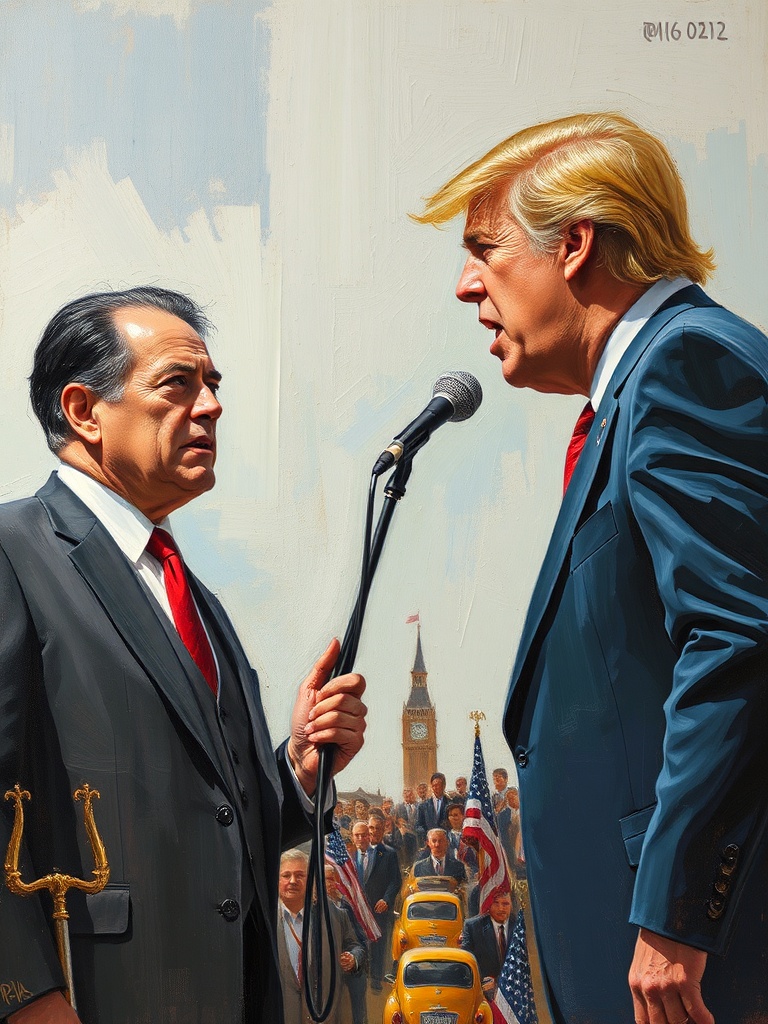
Some companies are experimenting with algorithmic audits to understand how recommendation systems shape political content distribution.
Policy levers and public-interest solutions
Policymakers are exploring frameworks that balance free expression with accountability. Options include clearer disclosure rules for political advertising, requirements for transparency about algorithms and targeting, and incentives for platforms to invest in moderation and verification. Supporting high-quality, independent journalism and local news ecosystems strengthens the information environment. Public funding for media literacy programs and civic education also equips citizens to evaluate claims more critically.
What citizens can do
Individual behavior matters. Simple daily habits reduce the spread of misinformation: pause before sharing, check multiple reputable sources, and verify original context for images or clips.
Diversify news sources to avoid echo chambers and use tools that flag manipulated media or verify claims.
Participate in local civic life; community engagement is a powerful antidote to online polarization.
Moving forward
Balancing innovation and accountability requires cooperation across multiple actors: platforms, regulators, civil society, journalists, and users.
No single fix will restore full trust, but coordinated actions—transparency from platforms, thoughtful regulation that protects speech, investment in public-interest journalism, and stronger civic literacy—can reduce the harms of misinformation.
Strengthening democratic norms starts with better information habits and insisting that the systems shaping public discourse are open, accountable, and designed to promote fact-based debate.