How the U.S. Senate Works: Filibusters, Committees, Confirmations, and How Citizens Can Track and Influence Its Decisions
The Senate occupies a unique place in the legislative ecosystem, combining equal state representation with a set of rules that encourage deliberation and, at times, gridlock.
Understanding how the Senate operates helps citizens follow major policy fights, track confirmations, and engage effectively with the political process.
How the Senate moves business
Unlike the lower chamber, the Senate’s procedures are designed to protect minority rights, giving individual senators powerful tools to shape outcomes.
Floor debate rules are famously loose: any senator can speak for extended periods unless the body votes to end debate through cloture. Cloture requires a significant supermajority to invoke, making coalition-building essential for most major legislation. That same emphasis on extended debate can also be overcome for specific items under procedural exceptions used for budget measures and certain nominations.
Committee work is the engine of Senate policymaking.
Bills are reviewed, amended, and vetted in committee before earning a spot on the floor.
Key committees—such as those handling appropriations, judiciary, foreign relations, and finance—play outsized roles in shaping policy and vetting nominees. Committee chairs control hearings and markups, and ranking members lead the minority effort to influence proposals.
Holds, unanimous consent, and the power of one
Several Senate practices concentrate influence in the hands of individual members. A “hold” is an informal notice that a senator may use to delay a nomination or bill; while not a formal rule, holds are respected because they can complicate floor scheduling. Unanimous consent agreements streamline routine business by setting terms for debate and amendments, but a single objection can derail those plans and force a more time-consuming process.
Confirmations and treaties
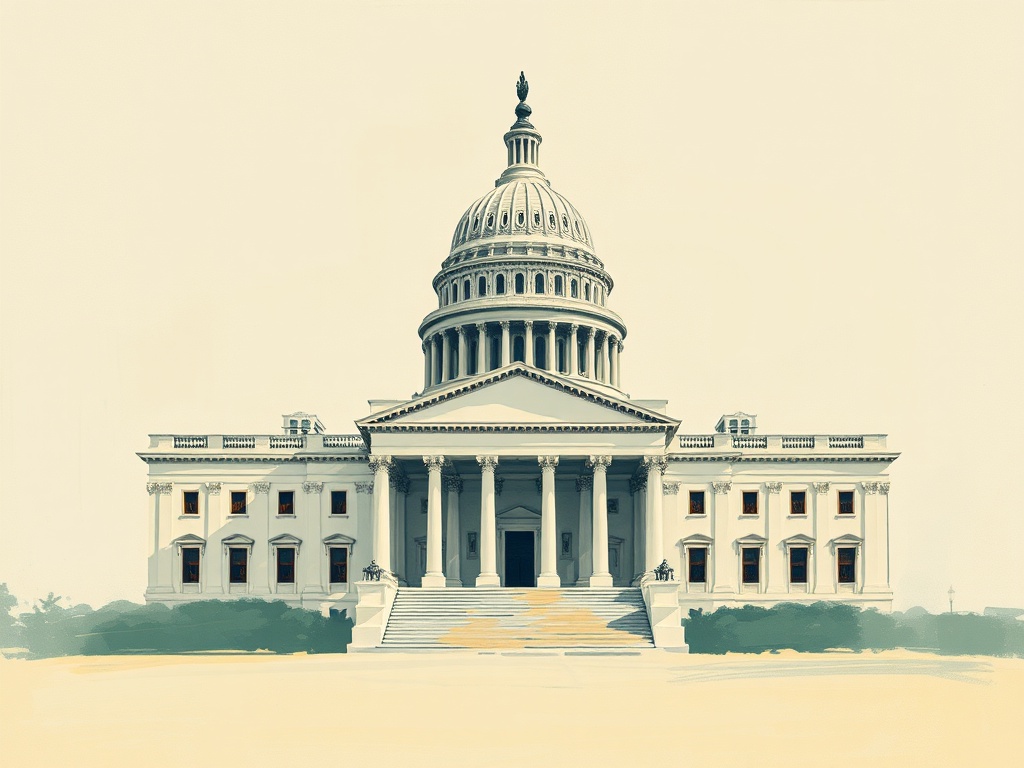
The Senate’s advice-and-consent responsibility covers executive and judicial appointments as well as the ratification of treaties.
Most nominations are decided by a simple majority, while treaties require approval by a supermajority. Confirmation hearings offer a public window into nominees’ records and policy priorities, and they provide a key leverage point for senators concerned about the executive branch’s direction.
Oversight and accountability
Senate oversight powers include the ability to hold hearings, issue subpoenas, and review executive actions. Oversight committees can force public scrutiny of agencies, contractors, and policies, which helps shape public debate and can drive legislative responses.
High-profile investigations often play out in committee rooms, and their findings can influence voters and lawmakers alike.
How to follow and influence Senate activity
– Track bills and votes at official congressional websites and through reputable news outlets that cover hearings and floor action.
– Follow relevant Senate committees on social media to get notices about hearings and witness lists.
– Contact your senators by phone, email, or written letter—constituent feedback matters and can move staff and senators to act.
– Attend public hearings or town halls and submit testimony when committees invite public comment.
– Build coalitions with local organizations and other constituents to amplify messages on specific issues.
The Senate’s combination of deliberative rules and powerful individual tools means outcomes depend on relationships, timing, and strategy as much as raw vote counts. For citizens and stakeholders, the most effective approach is consistent engagement: monitor committee activity, communicate clearly with senators’ offices, and participate in public hearings and outreach opportunities to ensure priorities are heard.