Misinformation and Political Polarization: What Voters Can Do to Protect Civic Life
Misinformation and Political Polarization: How They Shape Civic Life and What Voters Can Do
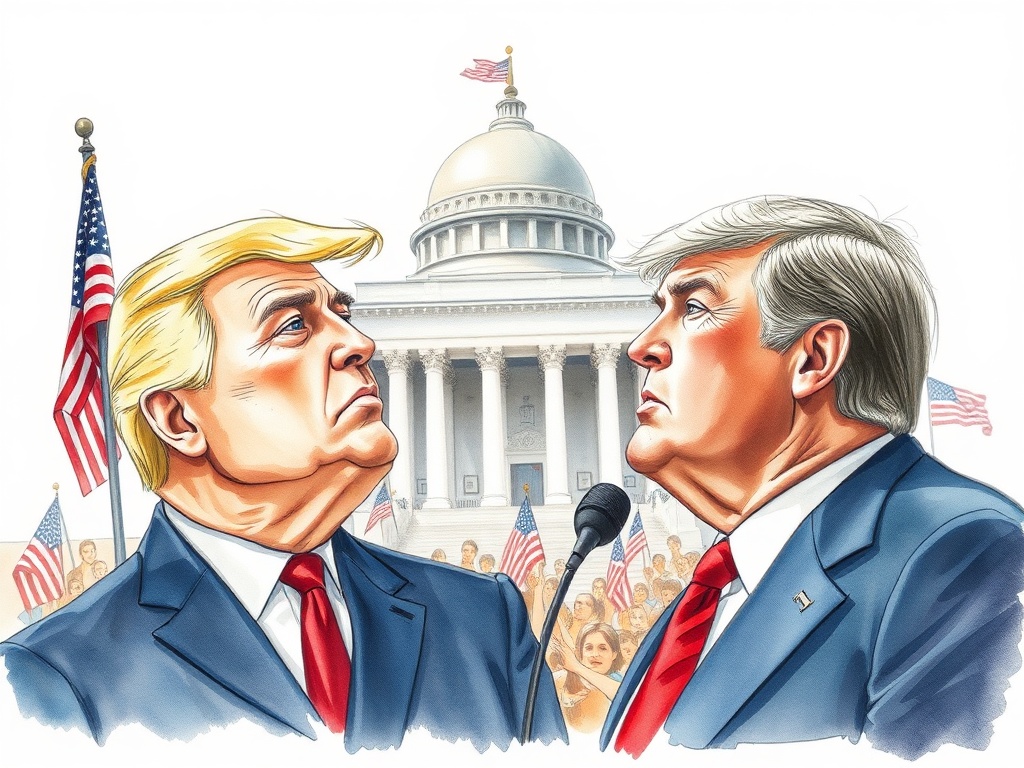
Political conversations are more fragmented than ever, and misinformation plays a central role in widening divides.
Understanding how false or misleading information spreads—and what ordinary voters, community leaders, and policymakers can do—helps protect democratic processes and improve civic trust.
How misinformation fuels polarization
Misinformation often targets emotionally charged topics that resonate with existing beliefs.
When people receive content that confirms their worldview, algorithms amplify it, creating echo chambers where opposing perspectives are rarely encountered. That reinforcement increases affective polarization—the tendency to view political opponents as not just wrong, but as morally suspect—making compromise and civil discourse more difficult.
Consequences for elections and governance
When false narratives gain traction, they can skew public perception of candidates, voting procedures, and policy outcomes. Lower trust in institutions makes it harder for officials to implement necessary but contentious decisions. Local elections, often decided by narrow margins, are particularly vulnerable because targeted misinformation can influence small but decisive voter segments. Over time, persistent misinformation erodes confidence in media and civic processes, reducing turnout and discouraging balanced debate.
Recognizing common warning signs
– Highly emotive language that seeks to provoke outrage or fear.
– Claims without credible sourcing or that cite anonymous or unverifiable experts.
– Content that spreads quickly across small, closed groups before appearing on wider channels.
– Images or videos with altered or missing context.
– Headlines that don’t match the article’s facts.
Practical steps voters can take
– Verify before sharing: Cross-check claims with established, reputable news outlets and official sources.
Look for primary documents, press releases, court records, or direct statements from officials.
– Pause on viral posts: Taking a moment to scrutinize content reduces accidental amplification.
– Diversify information sources: Follow a range of outlets across the political spectrum and reputable fact-checkers to reduce bias exposure.
– Teach media literacy locally: Encourage schools, libraries, and community centers to offer workshops that help residents identify deepfakes, doctored images, and misleading headlines.
– Engage respectfully: When confronting misinformation, focus on questions and evidence rather than moralizing; people are more receptive to corrections when treated calmly.
Policy and platform responses that matter
Transparency around content moderation, clearer labeling of manipulated media, and third-party audits of recommendation algorithms can reduce the spread of misleading material. Incentivizing local journalism helps restore civic reporting that explains how policies and candidates affect daily life.
Legal and regulatory approaches must balance the need to curb harmful content with robust protections for free expression.
The role of communities and civic institutions
Community trust is rebuilt through consistent, factual communication and by prioritizing local problem-solving over partisan signaling. Town halls, nonpartisan civic forums, and community-led fact-checking initiatives provide spaces for evidence-based discussion.
Encouraging civic participation—volunteering, attending local meetings, and getting involved in school boards or neighborhood associations—anchors political debate in real-world concerns rather than abstractions.
Staying resilient
Misinformation and polarization are persistent challenges, but they aren’t inevitable.
Individuals who cultivate media literacy, diversify information sources, and engage in respectful civic action help create a healthier political environment. Small, steady practices—like verifying before sharing and supporting local journalism—add up to stronger democratic norms and better decision-making for everyone.