How to Restore Trust in Elections: Combating Misinformation with Policy, Platforms, and Civic Education
Misinformation and Elections: Restoring Trust in Democratic Processes
Misinformation has become one of the most disruptive forces in modern politics, shaping voter perceptions, undermining trust in institutions, and distorting public debate. As digital platforms accelerate the spread of false or misleading content, the challenge for democracies is to safeguard electoral integrity while protecting free expression and robust political discourse.
How misinformation spreads
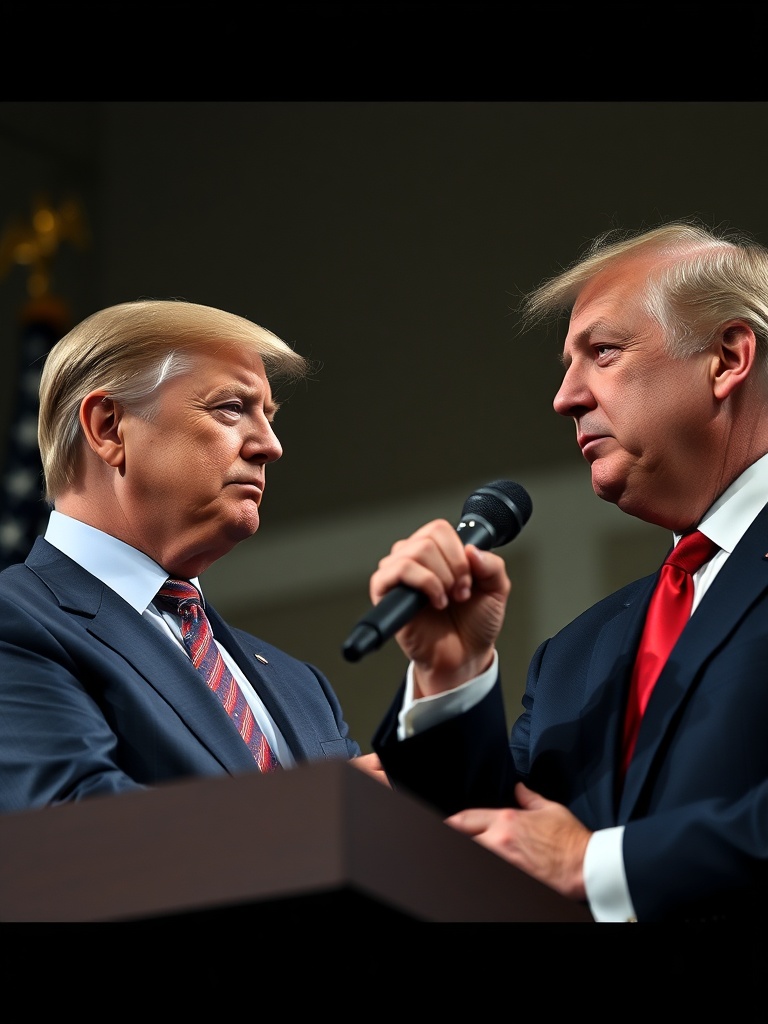
Social platforms enable rapid distribution of content with little friction, creating echo chambers where tailored messages reinforce existing beliefs. Microtargeted advertising and viral memes can amplify misleading claims, while synthetic media and manipulated visuals raise doubts about the authenticity of political communications. Foreign and domestic actors can exploit these channels to sow confusion, depress turnout, or favor particular outcomes.
Impact on democratic processes
Misinformation affects elections in several key ways:
– Voter trust: Repeated exposure to false claims erodes confidence in electoral institutions and results.
– Voter behavior: Misleading information about voting procedures, eligibility, or deadlines can suppress or misdirect participation.
– Polarization: False narratives often inflame grievances and harden partisan divides, reducing the space for compromise.
– Media ecosystem: Local news deserts and economic pressures on journalism make it easier for unchecked content to dominate.
Effective responses
Addressing misinformation requires coordinated action across platforms, policymakers, media organizations, and citizens.
Platforms and technology operators
– Transparency: Disclose sponsorship, ad targeting parameters, and content moderation policies. Greater transparency about algorithms and amplification can reduce the spread of harmful material.
– Proactive measures: Invest in detection systems for manipulated media and coordinated inauthentic behavior, while avoiding overbroad removals that chill legitimate debate.
– Friction and context: Add friction to the sharing of viral claims (e.g., nudges, warnings) and display context panels linking to authoritative sources.
Policymakers and regulators
– Balanced frameworks: Craft regulations that hold platforms accountable for clear harms while upholding free-speech protections.
– Ad transparency laws: Require public registries for political advertising and clear disclosure of sponsors.
– Support for journalism: Fund public-interest reporting and local news to counter information vacuums where misinformation thrives.
Media and fact-checkers
– Rapid response: Coordinate fact-checking networks and standardize labeling to debunk false claims quickly and visibly.
– Explainers and corrections: Offer clear, evidence-based explanations that address why a claim is false, not just that it is false.
– Local focus: Prioritize verification of local election information, where errors have the most direct impact on voter behavior.
Citizens and civic education
– Critical habits: Pause before sharing, verify with multiple reputable sources, and be skeptical of sensational or emotionally charged claims.
– Media literacy: Incorporate digital literacy into civic education to equip voters with tools to evaluate sources, understand algorithms, and recognize manipulation techniques.
– Community engagement: Trusted local institutions—libraries, schools, civic groups—can serve as hubs for reliable information about voting and participation.
Sustained commitment
Protecting democratic processes from misinformation is not a one-off project.
It requires ongoing investment in transparent systems, resilient media ecosystems, and an informed electorate. When technology, policy, journalism, and citizens work together, the information environment can better support fair, informed choices at the ballot box.