Congress and Tech Oversight: Subpoenas, Encryption Debates, and the Fight Over Data Privacy
How Congress oversees tech: subpoenas, encryption, and the tug-of-war over data privacy
Congress plays a central role in shaping how Americans’ data is collected, stored, and accessed.
That influence comes through legislation, oversight, and the power to issue subpoenas—tools that shape the balance between national security, law enforcement needs, and individual privacy.
The oversight toolbox
Congressional committees use hearings, subpoenas, and budget control to pressure private companies and government agencies. Subpoenas compel documents and testimony; when recipients refuse, committees can cite contempt, refer matters to the Department of Justice for criminal enforcement, or pursue enforcement through federal courts. Oversight also influences regulation: agencies often move faster or revise guidance after high-profile hearings.
Encryption and the encryption debate
End-to-end encryption is a flashpoint.
Tech firms argue encryption protects users from hackers and surveillance.
Lawmakers and law enforcement counter that strong encryption can impede criminal investigations and counterterrorism efforts. Proposals that would mandate access mechanisms or “backdoors” are controversial because they risk creating systemic vulnerabilities that malicious actors could exploit. Many security experts warn that any intentional weakening of encryption undermines the broader security of networks and devices.
Data access requests and foreign surveillance
Congressional scrutiny also reaches how companies respond to government requests for user data—both domestic subpoenas and foreign government requests. Transparency reports published by tech firms have become standard, detailing the volume and types of requests received. Congress often presses companies to be clearer about data retention practices, cross-border data transfers, and how often they challenge government demands in court.
Legislative responses and privacy frameworks
Rather than rely solely on oversight, Congress can enact privacy laws that set baseline protections. Discussions typically cover data minimization (keeping only what’s necessary), purpose limitation (restricting use to stated purposes), individual access and deletion rights, and stronger breach notification rules.
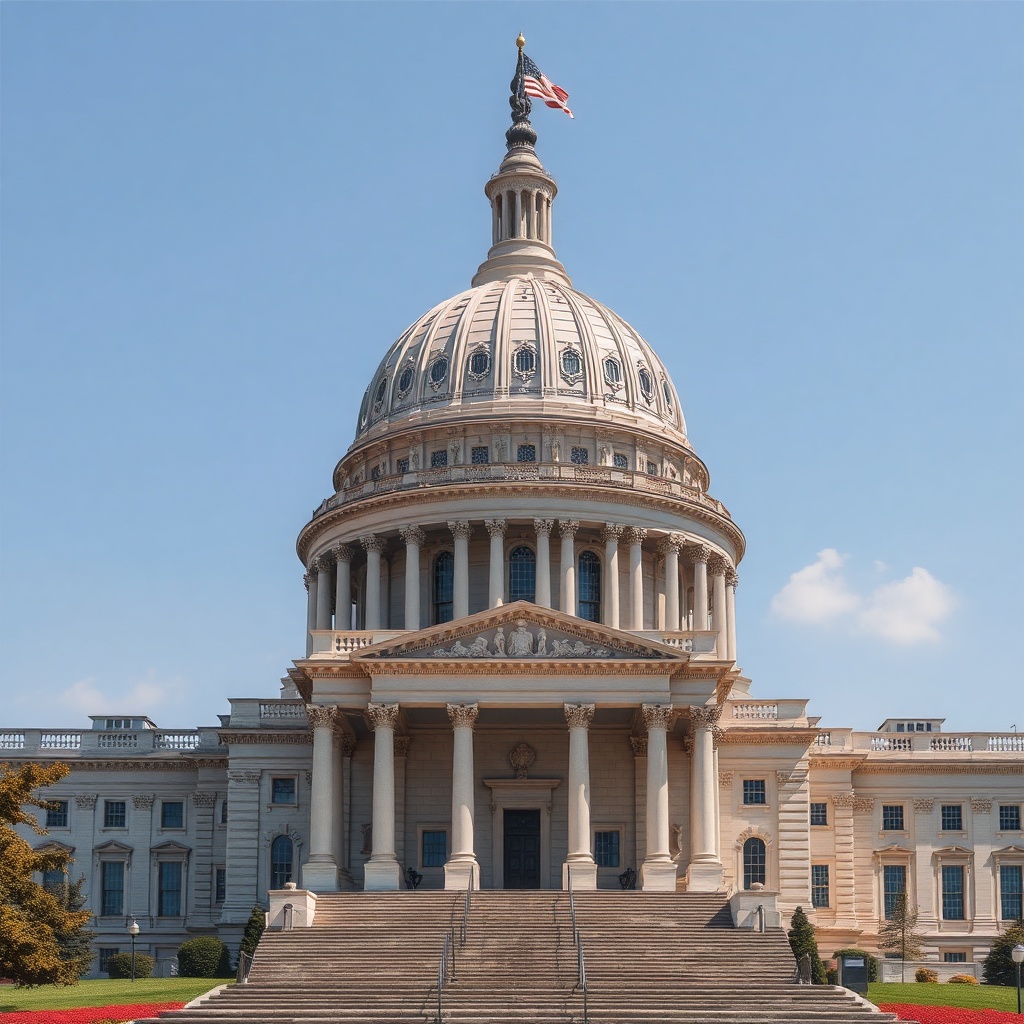
Supporters argue that federal privacy standards create consistent protections nationwide and reduce consumer confusion caused by a patchwork of state laws.
Company strategies and public pressure
Private-sector responses include building stronger privacy controls, offering default encrypted services, issuing transparency reports, and sometimes litigating government demands. Some companies use technical and legal strategies—like data localization, minimal data retention, or challenge-by-challenge resistance—to limit exposure. Public pressure, including consumer backlash and shareholder activism, often shapes corporate positions and influences congressional priorities.
What citizens can do
– Track committee hearings and legislation through official congressional websites and trusted news sources.
– Read transparency reports from major tech companies to understand how they handle government requests.
– Contact your representatives with specific concerns—cite relevant bills or oversight hearings and ask how they plan to balance security and privacy.
– Support or oppose proposed privacy measures by engaging with advocacy groups and participating in public comment periods when agencies seek input.
Why it matters
How Congress navigates subpoenas, encryption, and data privacy affects digital security, civil liberties, and how businesses operate. The outcome shapes whether users enjoy strong default protections, how law enforcement balances investigative needs against privacy, and whether innovation proceeds without worrying that built-in security will be intentionally weakened.
Staying informed and engaged gives constituents influence over this ongoing debate. Congressional oversight and legislation are primary levers shaping the digital landscape, and public attention often tips the scales when policy trade-offs are being resolved.