Digital Politics: How Technology Is Reshaping Organizing, Trust, and Privacy
The digital transformation of political organizing has reshaped how citizens engage with public life, how campaigns mobilize supporters, and how policymakers respond to constituent needs. Technology is no longer a peripheral tool; it is central to messaging, fundraising, and grassroots action. Understanding these shifts helps activists, campaigns, and civic institutions adapt responsibly and effectively.
How digital tools change political engagement
Social platforms and messaging apps amplify reach and speed. Organizers can recruit volunteers, coordinate events, and deliver targeted messages with unprecedented precision. Crowdfunding and micro-donations make grassroots fundraising more accessible, enabling smaller movements to compete with better-funded opponents. Virtual town halls and livestreamed debates lower barriers to participation, expanding access for people who cannot attend in-person events.
At the same time, data analytics power microtargeting—tailoring content to narrow demographic or psychographic segments.
That increases message relevance but also raises concerns about manipulation and unequal information environments. The same tools that personalize outreach can fragment the public sphere, making shared facts harder to achieve.
Misinformation and trust
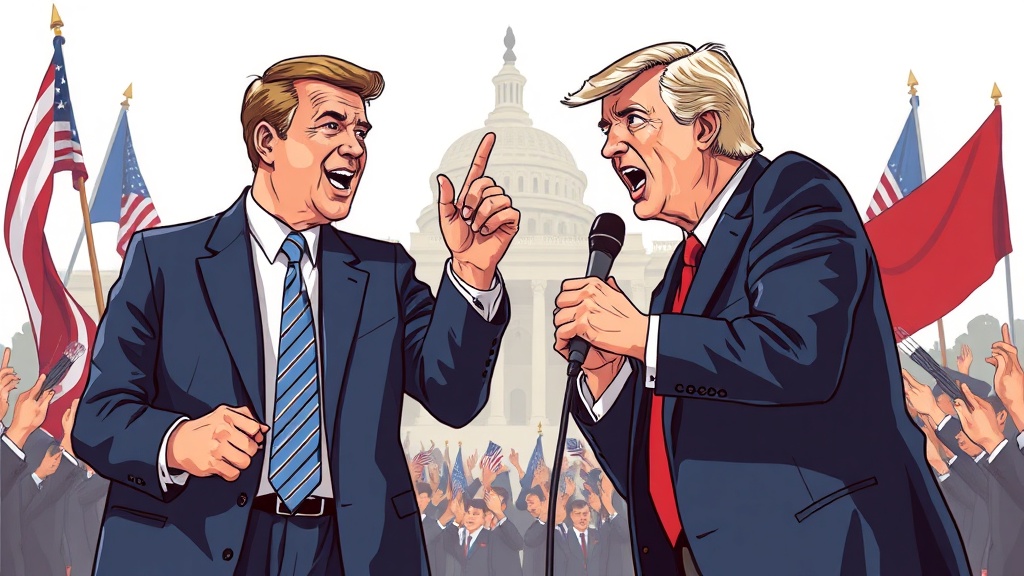
Misinformation thrives in rapid, networked environments.
False or misleading claims can spread broadly before fact-checkers intervene, affecting public opinion and voting behavior. Platforms are experimenting with flags, context panels, and algorithmic adjustments to reduce harm, but trust deficits remain. Journalists, civic organizations, and tech companies must prioritize transparent practices for labeling and correcting falsehoods while preserving free expression.
Privacy and surveillance concerns
Targeted political outreach often relies on extensive data collection.
Voter files, consumer profiles, and social media behavior create detailed portraits that can be used to persuade—or to pressure. Robust privacy protections and clear consent frameworks are essential to prevent abuses. Regulators and platforms should work toward standards that balance legitimate political communication with individuals’ rights to control personal information.
The role of decentralized and encrypted tools
Encrypted messaging and decentralized platforms enable secure coordination for activists operating under repression, but they also complicate moderation and accountability. These tools are essential for privacy and safety, particularly for marginalized groups and journalists, yet they can be exploited for harmful organizing.
Policymakers should consider nuanced approaches that protect privacy while addressing illicit activity with targeted, transparent oversight.
Digital divide and inclusion
Access to high-quality internet, digital literacy, and accessible platforms determines who participates in online politics. Communities with limited connectivity or digital skills risk being underrepresented in digital advocacy. Investment in broadband access, civic tech education, and user-friendly tools helps make digital political engagement more inclusive.
Practical guidance for actors
– For campaigns and organizers: prioritize transparent data practices, verify sources before amplification, and combine digital outreach with offline relationship-building.
– For policymakers: craft privacy rules tailored to political data, support funding for civic tech and digital literacy, and require transparency in political ad targeting.
– For platforms: invest in moderation transparency, improve contextual labeling of political content, and design algorithms that promote authoritative information without unduly suppressing debate.
The digital era of politics offers powerful possibilities for engagement and accountability, but it also introduces complex risks. By balancing innovation with ethical safeguards—privacy protections, misinformation mitigation, and inclusive access—societies can harness technology to strengthen democratic participation rather than undermine it.
Thoughtful regulation, cross-sector collaboration, and persistent civic education will determine whether digital politics becomes a force for deeper democracy or greater fragmentation.