Decoding the Influence of Social Media on Global Politics: Opportunities and Challenges
In today’s digital age, social media platforms have evolved beyond mere platforms for people to connect, share, and interact with each other. They have become influential tools shaping the global political landscape in unprecedented ways. Modern politics and social media have become intertwined, with the latter shaping and influencing the public’s perception of political events and figures.
Social media, currently, has become a significant part of political campaigns. It offers the potential to reach a vast audience quickly and cost-effectively.
Politicians are actively leveraging platforms like Facebook, Twitter, Instagram, and others to connect directly with their constituents, bypassing traditional means of communication. They’re able to broadcast their messages, rally support, and engage directly with voters in real-time.
Further, these digital platforms have made it easier for politicians to gauge public opinion. Politicians, by analyzing their followers’ reactions to their posts, can get a sense of the public pulse.
They can see in real-time how their policies, speeches, and actions are being perceived and adjust their strategies accordingly. Likewise, citizens can voice their opinions directly to their elected representatives, fostering a sense of participatory democracy.
However, the democratizing power of social media in politics is not without its pitfalls. The rise of fake news and misinformation has been a cause for concern worldwide. In the heat of political campaigns, false information can be spread maliciously or unintentionally, swaying public opinion and influencing election outcomes.
Recent years have seen an increase in accountability measures from social media platforms to combat this problem.
Fact-checking algorithms, labelling potentially misleading information, and blocking repeat offenders are among the strategies employed. These efforts have had varying levels of success and continue to be refined.
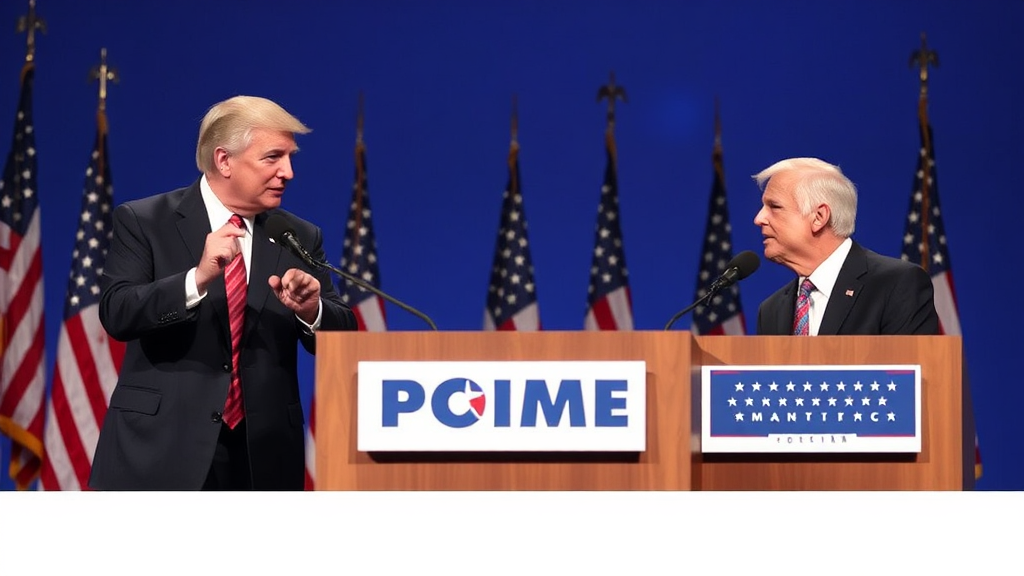
Moreover, social media’s role in global politics doesn’t stop at national borders.
Through these platforms, international political discourse has found a new battlefield. Countries can promote their interests, challenge their adversaries, and engage in digital diplomacy or even warfare. The reach and impact of political messages can now extend beyond traditional geographical and jurisdictional boundaries.
Social media has also become a tool for political activism and civil movements. From the Arab Spring to the Black Lives Matter movement, social media platforms have played a pivotal role in mobilizing public opinion and coordinating action. They have given a voice to the voiceless and enabled the powerless to challenge the status quo.
Whether we like it or not, social media has changed the face of global politics. It is continually redefining political communication, engagement, and accountability. The power to shape public opinion, once monopolized by traditional media and political elites, is now more dispersed.
To navigate this new terrain, both politicians and citizens must be vigilant and discerning. They must recognize the potential of social media to inspire as well as manipulate, to enlighten as well as deceive. As we move forward, the need for media literacy and critical thinking skills in the digital age has never been more important.
Social media’s impact on politics is complex and evolving. Its influence is a testament to the profound changes that digital technology has brought to our society. While it presents challenges, it also offers opportunities for more inclusive, participatory, and transparent politics. Only time will tell how this relationship between social media and politics will continue to unfold.