How to Get a White House Tour: Requesting, Security Rules, Accessibility & Tips
White House tours remain one of the most sought-after experiences for visitors to the capital. Whether you’re planning a first-time visit or hoping to return, understanding how tours work and what to expect will make the process smoother and improve your chances of getting inside.
How to request a tour
– U.S. citizens typically request public tours through their member of Congress. Start by contacting your representative or senator’s office — many have a dedicated staff member who handles tour requests.
– International visitors should contact their home country’s embassy in Washington, D.C. Embassies can request tours on behalf of foreign nationals.
– Requests must go through official channels and are subject to approval. Because demand is high, submit requests as early as possible.
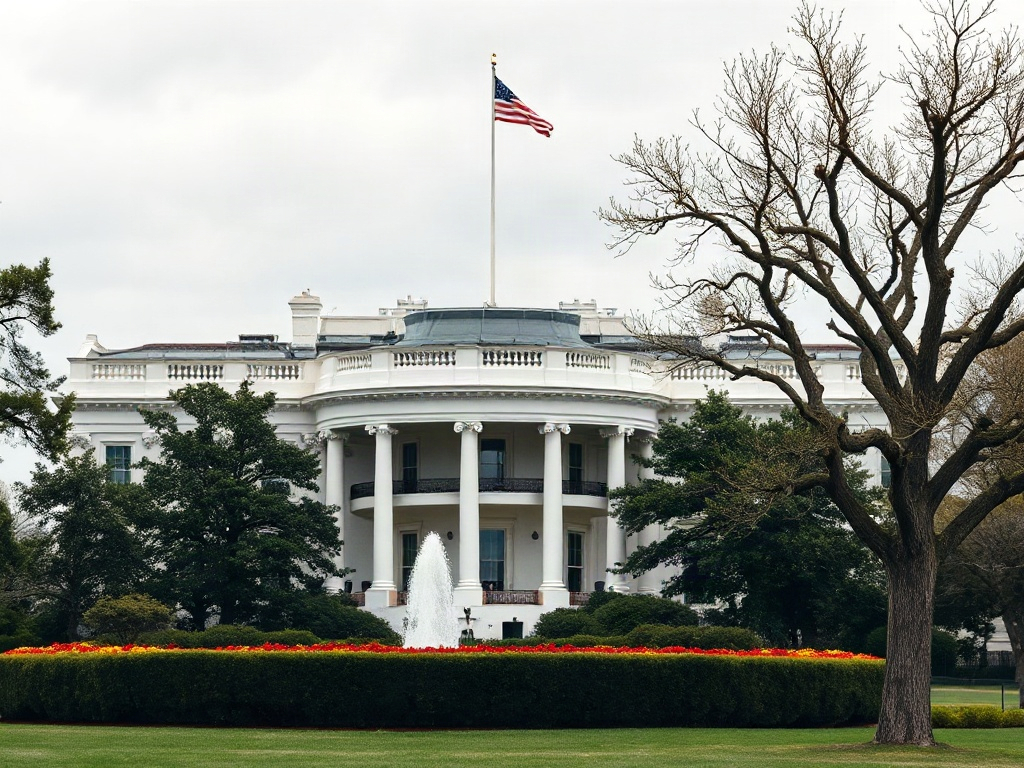
Security and identification
– All visitors undergo security screening and background checks. Approved requests do not guarantee entry until screening is complete.
– Bring a government-issued photo ID. Minors may have different ID requirements; check with the office that submitted your request.
– Expect strict restrictions on bags and personal items. Large bags, food, and certain electronics are typically prohibited. Pack light and plan to leave items that could slow the process at your hotel or a secure locker service.
What to expect during the tour
– Tours are escorted and move through several historic rooms on the ground floor and state floor. Common highlights include the Grand Foyer, Cross Hall, East Room, and public state parlors. Access to private or secure areas is not included.
– Photography rules vary. Casual photos are often allowed in many public rooms, but flash and professional equipment may be restricted. Always follow the instructions of your escort.
– Tours are subject to change or cancellation at short notice due to official business or events. Have backup plans and be flexible with timing.
Accessibility and accommodations
– The White House provides accommodations for visitors with mobility, visual, or hearing impairments.
Notify the office handling your request if you, or someone in your party, needs special assistance.
– Wheelchair access is available, but some areas may have limitations. Service animals are typically permitted; verify policies with your point of contact before arrival.
Tips to improve your experience
– Apply early and have alternate dates. Popular periods book quickly and slots fill up well in advance.
– Coordinate with nearby sites. Pair a tour with visits to the National Mall, Smithsonian museums, or memorials to make the most of your trip.
– Dress appropriately and be punctual. Tours move as a group, and late arrivals may not be admitted.
– Keep expectations realistic. A White House tour is relatively brief and highly structured, but it offers a rare look at the nation’s executive residence and ceremonial spaces.
Stay informed
Official procedures and availability can change, so confirm details with the member of Congress or embassy handling your request. Checking official government pages before travel helps avoid surprises and ensures you have the most current guidance on tour schedules, security policies, and accessibility services.
A White House tour can be a memorable highlight of a visit to the capital. With early planning, the right paperwork, and a flexible attitude, you’ll increase your chances of walking through one of the country’s most iconic public buildings.