Bridging Political Polarization: Practical Strategies to Rebuild Civic Trust and Strengthen Democracy
Bridging Political Polarization: Practical Steps to Rebuild Civic Trust
Political polarization is a defining challenge for many democracies. When citizens retreat into separate information spheres, governing institutions struggle to find common ground, and public trust erodes.
While this is a complex problem, practical, scalable strategies can reduce division and strengthen civic life.
Understand the drivers
Polarization is fueled by a mix of structural and social factors: economic insecurity, media fragmentation, incentive structures in party politics, and social identity dynamics. Recognizing these drivers helps target interventions that reduce incentives for extreme rhetoric and increase opportunities for constructive compromise.
Promote inclusive civic education
A well-designed civic education cultivates critical thinking, media literacy, and a habit of respectful disagreement.
Curricula that teach how laws are made, how electoral systems work, and how to evaluate sources reduce susceptibility to disinformation and lower the temperature of political debate. Community workshops and public libraries can extend this education to adult populations.
Reform electoral incentives
Electoral rules shape political behavior. Measures such as ranked-choice voting, open primaries, and independent redistricting commissions encourage candidates to appeal to broader coalitions, not just the most ideologically extreme voters. Public financing of campaigns and stronger transparency requirements for political donations reduce the outsized influence of narrow interests and restore confidence that elected officials are accountable to the public.
Create structured deliberation opportunities
Deliberative forums—citizen assemblies, neighborhood panels, and moderated town halls—allow people with different views to meet on neutral ground, receive balanced information, and weigh trade-offs. Research shows that when participants engage in structured dialogue, they often move toward more nuanced and pragmatic positions. Scaling these formats at local and regional levels creates pathways for better policymaking that reflects diverse perspectives.
Strengthen local journalism and information ecosystems
High-quality local reporting fosters shared facts and local civic bonds. Support for nonprofit newsrooms, public-interest journalists, and community reporting projects helps counteract misinformation and provides a common baseline for public debate. Media literacy campaigns that teach how to spot bias, verify claims, and use multiple sources are essential complements.
Encourage cross-partisan civic spaces
Programs that pair people from different political backgrounds around shared community goals—such as neighborhood improvement, schools, or public health—build relationships that transcend political labels.
Contact theory suggests that cooperative projects reduce stereotyping and build empathy, making political compromise more feasible.
Upgrade institutional accountability
Independently run ethics commissions, clearer conflict-of-interest rules, and transparency in decision-making processes increase trust in institutions.
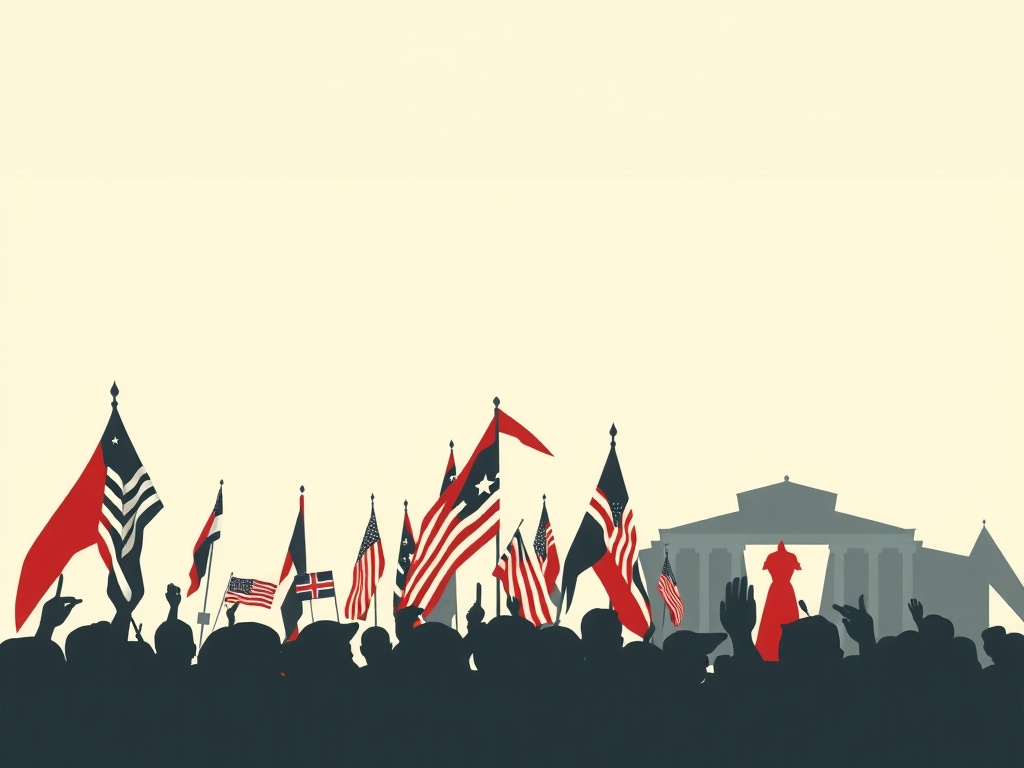
When citizens can see how decisions are made and have accessible ways to file complaints or petitions, confidence grows that systems work fairly.
Invest in economic resilience
Economic stress exacerbates political fractures. Policies that focus on stable employment, retraining, affordable housing, and community investment lower the pressure that pushes people toward extreme solutions. When people feel economically secure, political compromise becomes more politically viable.
Practical next steps for citizens
– Join or support nonpartisan civic groups and deliberative forums.
– Advocate for electoral reforms and transparency measures at the local level.
– Consume news from a diversity of reputable sources and support local journalism.
– Participate in community projects that bring together neighbors from different backgrounds.
– Hold elected officials to account by demanding clear explanations and open processes.
Addressing polarization is a long game that combines institutional reform, civic renewal, and everyday relationship-building.
By focusing on practical reforms and fostering spaces for respectful engagement, communities can rebuild shared trust and create more resilient democratic systems. Actively participating in these efforts at the local level multiplies their impact and helps restore a healthier public culture.