White House Visit Guide: How to Request a Tour, Navigate Security, and Plan Your Trip
Visiting the White House is a memorable experience for many travelers and residents alike. Whether you’re planning a first-time visit or guiding friends, understanding the tour process, security requirements, and best alternatives will help you make the most of your trip.
How to request a tour
Public tours of the White House are available but require advance planning.
U.S. citizens request tours through their Member of Congress, while international visitors request through their home country’s embassy in Washington. Tour requests should include full names, dates of birth, and Social Security numbers or passport numbers for background screening. Tours are free of charge, but availability is limited and subject to closures for official events, so submit requests well ahead of when you plan to travel.
Security and screening
All visitors undergo a thorough background check and on-site security screening managed by the U.S.
Secret Service. Expect airport-style screening: photo ID required for everyone aged 18 and older, no large bags, and strict rules about prohibited items. Commonly banned items include backpacks, food and drinks, sharp objects, strollers in some cases, and signs or protest materials. Follow instructions from security personnel and plan to arrive early — processing can take time, especially during peak tourist periods or on days with heightened security.
What to expect on the tour
Guided tours cover public rooms on the ground floor and state floor, with knowledgeable staff providing historical context and architectural highlights. Photography rules vary by area and may be limited; always follow the guidance of tour staff. Tours are typically walking-based, so wear comfortable shoes and be prepared for modest walking distances and limited restroom access during the guided portion.
Accessibility and special accommodations
The White House provides ADA accommodations. Visitors who require wheelchair access, sign language interpretation, or other assistance should request these services when submitting a tour request. Service animals are generally permitted; confirm specifics in your confirmation materials.
If you or a group member has mobility concerns, notify your congressional office or embassy representative in advance so arrangements can be made.
When tours are not available
Tours can be canceled or restricted at short notice for security reasons or official activities. If public tours are unavailable, there are other ways to experience the White House and its surroundings.
The White House Visitor Center on the National Mall offers exhibits, interactive displays, and historical artifacts that provide rich context about the presidency and the building.
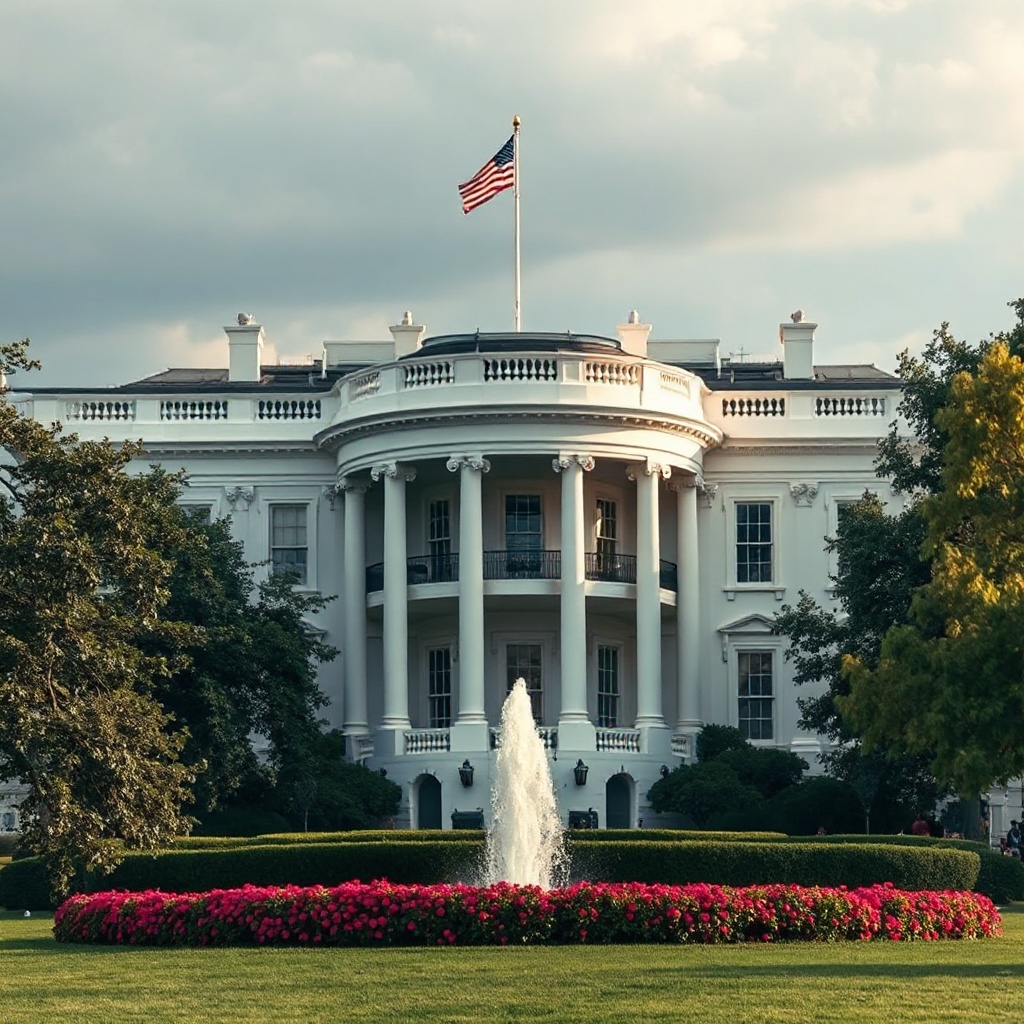
Walking around Lafayette Square and nearby Pennsylvania Avenue offers excellent photo opportunities and views of the exterior.
Tips for a smooth visit
– Double- and triple-check tour confirmations and entry requirements before you go.
– Bring a government-issued photo ID for everyone who requires one.
– Travel light to expedite security screening.
– Arrive at the designated entry time; late arrivals may be denied entry.
– Dress for the weather and for respectful decorum — the White House is an official residence and workplace.
– Consider combining your visit with nearby Smithsonian museums and the National Mall to make the most of your day.
The White House remains a symbol of national history and civic life. With careful planning and awareness of protocols, a visit can be a rewarding, educational experience that connects visitors to the story of the nation and the evolving role of the presidential household.
Check official channels for the most current guidance before you travel.