Deepfakes and Disinformation: Practical Strategies to Protect Elections, Public Trust, and Democracy
Disinformation and deepfakes are reshaping political landscapes around the world, creating new challenges for election integrity, public trust, and democratic debate. As synthetic media tools become easier to use and distribute, policymakers, platforms, journalists, and citizens are under pressure to adapt fast to protect the information environment.
What makes the threat new
Deepfakes and other forms of manipulated media differ from traditional propaganda because they can create seemingly authentic audio, video, and images that never existed. Combined with micro-targeted social media advertising and closed messaging apps, these tools amplify false narratives and make verification harder. Even when manipulated content is exposed, the damage to public perception can persist—people often remember the emotional impact more than the correction.
Where the risks concentrate
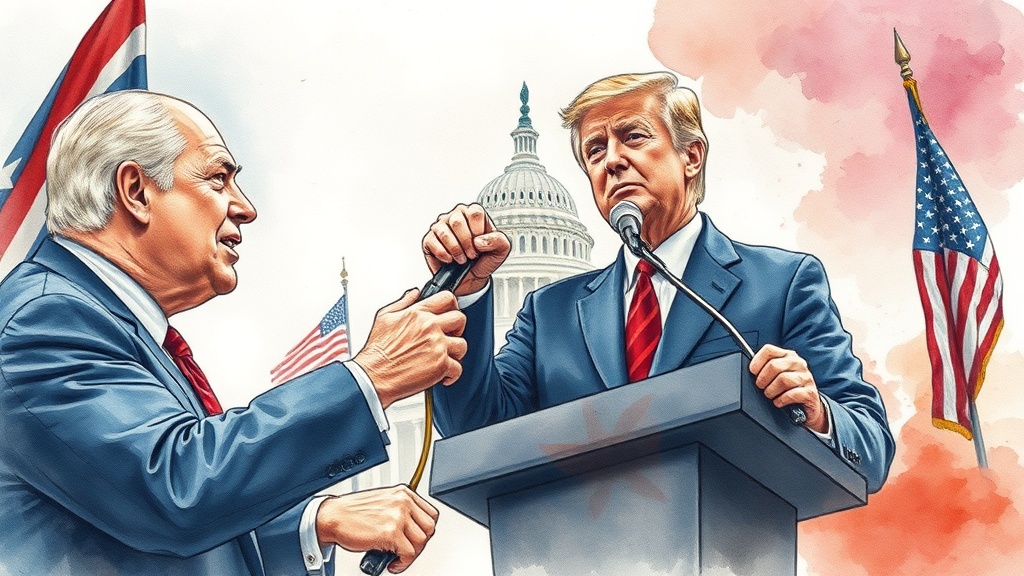
– Elections and campaigns: Fabricated videos or phony announcements can undermine candidates, suppress turnout, or provoke unrest.
– Public health and safety: False claims about vaccines, emergency responses, or policies can have immediate, harmful consequences.
– International relations: Deepfakes of leaders or staged incidents can escalate tensions or be used for covert influence operations.
– Trust in institutions: Repeated exposure to fabricated media erodes confidence in news outlets, government, and civil society, increasing polarization.
Practical responses that work
No single actor can solve the problem alone. A multi-pronged approach is necessary:
– Technology and detection: Investment in robust forensic tools that detect manipulation at scale is essential. Platforms should combine automated detection with human review and provide transparent takedown and labeling policies for synthetic media.
– Regulation and standards: Targeted regulation can require platforms to disclose paid political content, implement transparency reports, and maintain archival records of election-related ads. Updating laws to address malicious synthetic content while protecting legitimate speech is a delicate but necessary balance.
– Media literacy and civic education: Empowering voters to spot disinformation reduces its power. Practical initiatives—checklists for verifying sources, training for journalists on digital forensics, and public awareness campaigns—raise baseline resilience across communities.
– Industry accountability: Tech companies must adopt consistent content policies, rapid response teams during high-risk events, and clear appeals processes. Collaboration across platforms to share threat intelligence reduces the safe havens for manipulation.
– Journalism and verification networks: Newsrooms that invest in verification desks and cross-border fact-checking partnerships can debunk false narratives quickly. Transparent sourcing and explainers about how content was validated help rebuild trust.
Policy trade-offs and rights
Crafting responses requires careful attention to free expression.
Broad censorship can backfire, driving misinformation into harder-to-monitor channels. Policies should be narrowly tailored to malicious intent and demonstrable harm, provide redress for wrongful removals, and include oversight mechanisms.
What citizens can do
– Slow down: Treat sensational content with suspicion and check multiple reputable sources before sharing.
– Verify basics: Look for original source material, reverse-image searches, and corroboration from established outlets.
– Support quality journalism: Subscribing to credible news sources sustains investigative capacity that naturally counters manipulation.
The spread of synthetic media presents a lasting test for democratic societies.
With coordinated public policy, responsible platform behavior, stronger journalism, and a more media-literate public, it’s possible to limit the harm while preserving open debate and innovation. Collective vigilance and practical solutions will determine whether digital tools strengthen or weaken the civic commons.