Congressional Oversight: How It Works and How Citizens Can Hold Government Accountable
Congress plays a central role in holding the federal government accountable, shaping policy, and translating public priorities into law. Understanding how congressional oversight works — and how citizens can engage with it — helps make democracy more responsive and effective.
What oversight is and why it matters
Oversight is Congress’s authority to monitor the executive branch, federal agencies, and government programs.
It ensures laws are implemented as intended, uncovers waste or abuse, and informs new legislation. Oversight can also check the balance of powers when policy disagreements arise.
Core tools of congressional oversight
– Hearings: Committees call witnesses, including agency officials, experts, and private citizens, to question policies and probe potential problems.
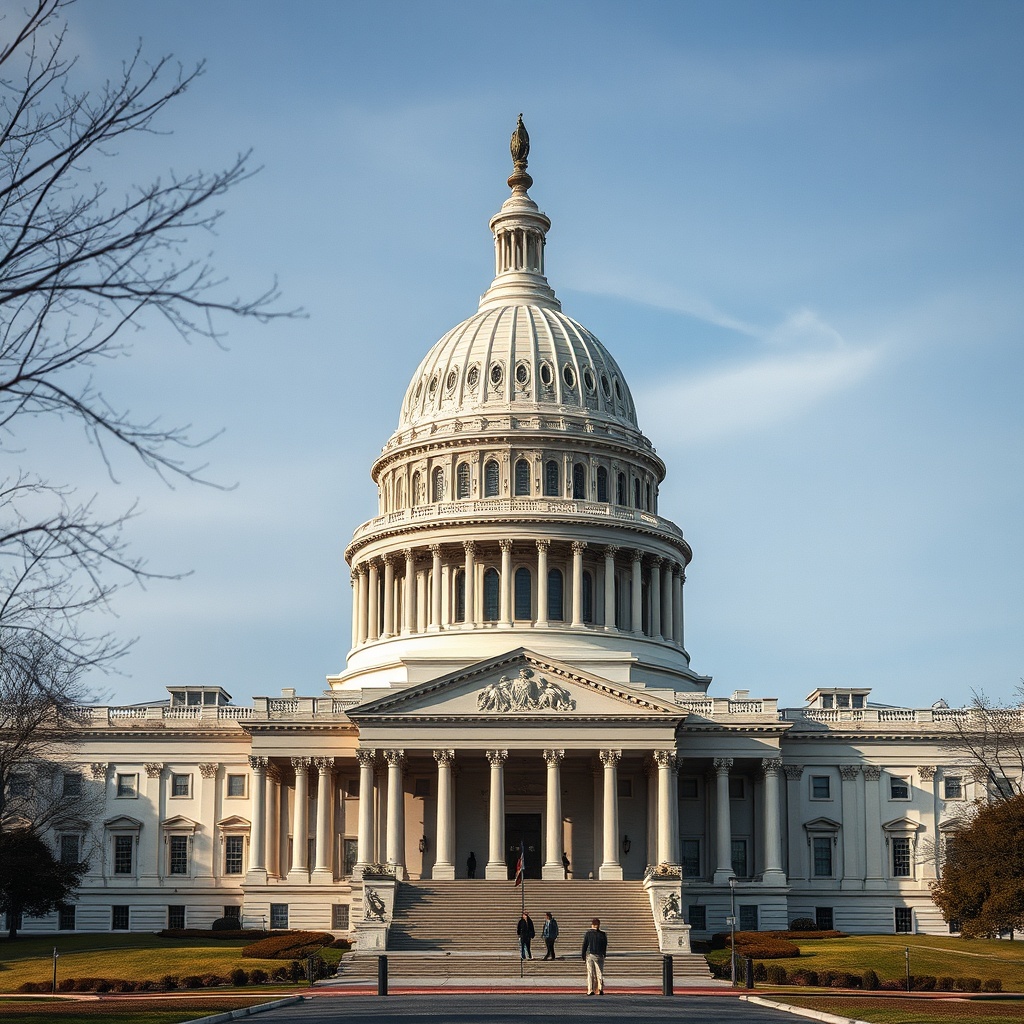
Public hearings raise awareness, produce a record of testimony, and can spur reforms.
– Subpoenas: Committees can compel testimony or document production through subpoenas.
When compliance is resisted, legal battles can follow as courts determine the scope of congressional authority.
– Document requests and investigations: Committees use document demands, depositions, and staff investigations to build factual records that inform legislation or referrals.
– Budget and appropriations power: Congress influences agency behavior by controlling funding. Conditions, rescissions, or targeted appropriations are powerful levers to change agency priorities.
– Inspectors General and Government Accountability Office (GAO): Independent watchdogs and auditors provide reports and recommendations that committees rely on during oversight.
– Legislative remedies and referrals: Oversight can lead to new statutes, regulatory changes, or referrals to law enforcement when wrongdoing is uncovered.
Practical limits and common friction points
Oversight is not unlimited.
Executive privilege claims, classification restrictions, and court rulings can narrow Congress’s reach. Enforcement of subpoenas may involve prolonged litigation.
Political polarization can shape the choice of oversight targets and affect how findings are acted on.
Still, sustained oversight combined with public attention often produces results — legislative fixes, personnel changes, or policy shifts.
Transparency and public engagement
Many hearings are livestreamed and archived, making it easier for citizens, journalists, and advocacy groups to follow developments. Committees often publish transcripts, documents, and reports online. Social media amplifies testimony and key moments, helping shape public debate and put pressure on decision-makers.
How citizens can follow and influence oversight
– Track committee activity: Subscribe to committee newsletters or use official committee websites to get notices about upcoming hearings or reports.
– Read reports and testimony: GAO reports, inspector general audits, and committee findings are primary sources for understanding issues and potential reforms.
– Contact representatives: Communicate priorities and concerns through email, phone calls, or town halls. Close, consistent contact influences lawmakers’ attention to specific oversight issues.
– Support investigative journalism and watchdog organizations: Independent reporting often supplies leads and context that committees use during investigations.
– Attend or view hearings: Witnessing hearings firsthand or via livestream helps citizens form an informed perspective and share accurate information.
The ongoing role of oversight
Effective oversight strengthens public trust by making government actions visible and accountable.
While legal and political obstacles sometimes slow the process, a robust mix of hearings, investigations, funding decisions, and public scrutiny remains the most reliable path to meaningful reform.
Citizens who stay informed and engaged play a crucial role in ensuring oversight serves the public interest.