Unmasking the Impact: The Rise and Ramifications of Social Media in Politics
The landscape of politics is continuously evolving, shaping, and redefining the world in which we live. With the rise of social media and its increasing influence on politics, it has become more crucial than ever to understand the impact and implications of this development.
The Power of Social Media in Politics
Today, social media platforms have become ubiquitous, and their impact on politics is profound. They provide a dynamic platform for politicians and political parties, allowing them to communicate directly with their constituents, bypassing traditional media channels. This direct line of communication has become increasingly important in shaping public opinion.
The positive aspect is that it allows politicians to address their followers instantly, share their vision, and react to emerging trends or controversies. Moreover, it democratizes political debate by enabling ordinary people to express their opinions, ask questions, and even challenge the politicians directly.
Despite these advantages, there’s also a darker side to the use of social media in politics. Misinformation and fake news spread quickly and widely, inciting fear, causing confusion, and exacerbating divisions within society.
Politicians and political parties can manipulate these platforms to spread propaganda, distort facts, and discredit opponents.
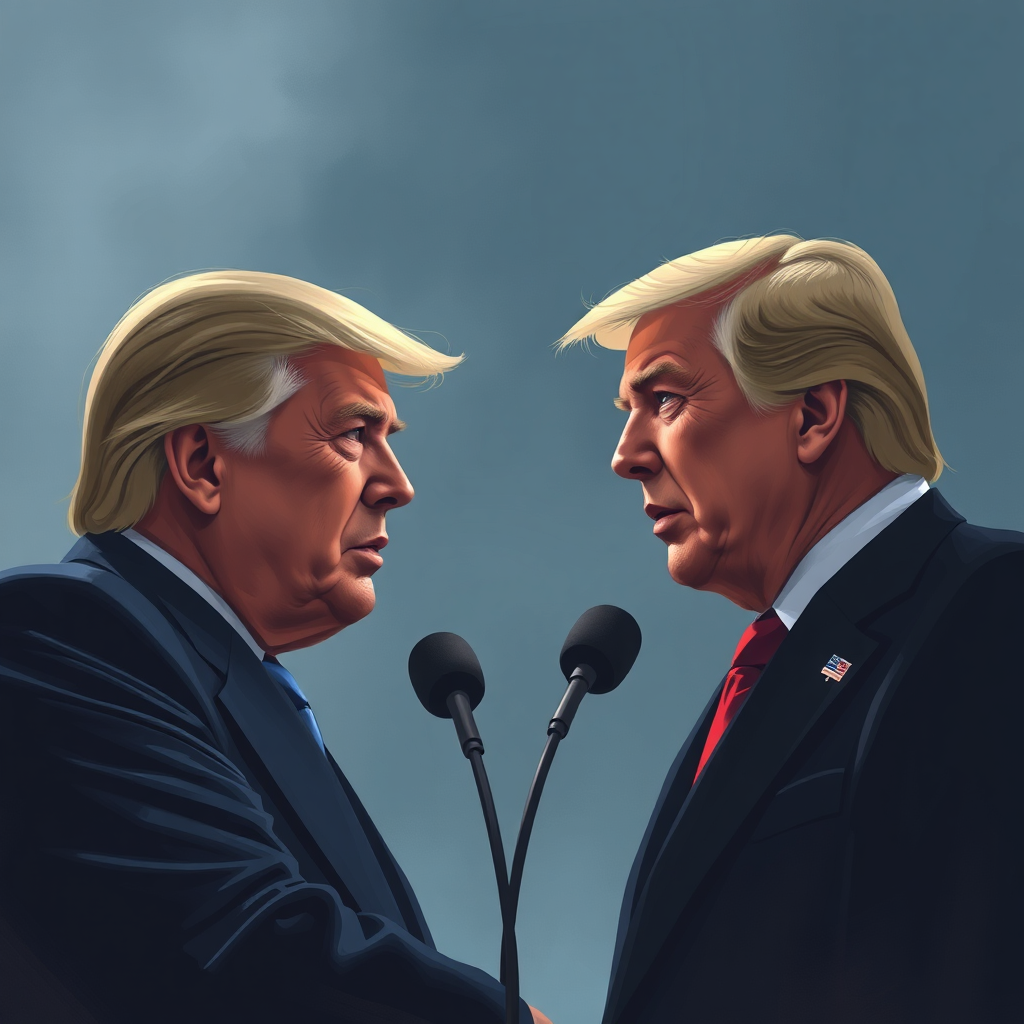
Transparency, Accountability, and Privacy
Another crucial aspect of social media’s influence on politics is transparency and accountability.
Today, politicians’ every post, tweet, or comment can be scrutinized, and they can be held accountable for their words.
This public scrutiny works as a double-edged sword. On one side, it helps keep politicians in check, but on the other, it can lead to knee-jerk reactions and policymaking.
Privacy is another significant concern. As politicians use social media for campaigning and mobilizing support, data collection and targeted advertising have become prevalent. Users’ data is often used without explicit consent, leading to concerns about privacy violations. This aspect needs to be addressed urgently to maintain users’ trust and safeguard their privacy rights.
The Future of Social Media in Politics
The influence of social media in politics is only set to increase further.
It is expected that political campaigns will become more data-driven, with sophisticated algorithms predicting voter behavior and crafting personalized messages.
While the potential for manipulation and misinformation continues to loom large, social media also holds immense potential for positive change. It can facilitate greater engagement and participation in the political process, especially among younger generations. It can enable real-time fact-checking and debunking of fake news.
In the face of rapid advancements in technology, regulatory frameworks need to be updated to ensure the ethical use of social media in politics. It’s a complex issue that requires balancing freedom of speech with the need to prevent misuse and protect privacy.
Currently, social media plays a pivotal role in politics, shaping public discourse and influencing electoral outcomes.
The influence of social media on the political landscape is a topic of paramount importance. By understanding these dynamics, we can ensure a healthier, more transparent, and accountable political process for everyone. As we navigate these uncharted waters, one thing is clear: social media’s impact on politics is here to stay, and its role in shaping our world will continue to evolve.