Understanding the Game-Changer: The Impact of Social Media in Modern Politics
The Role of Social Media in Modern Politics
In the world of politics, the winds of change are always blowing.
One of the most significant shifts in recent times is the rise of social media as a platform for political discourse, campaign strategies, and public engagement.
This digital revolution has altered the political landscape, making it more accessible, interactive, and unpredictable.
Social media platforms such as Facebook, Twitter, and Instagram have become the new town squares for political debates, discussions, and candidate endorsements. They provide a platform where politicians can share their views and policies directly with their followers, without the need for press conferences or television appearances.
The direct nature of social media communication eliminates the need for intermediaries, making political commentary more personal and immediate.
Politicians can express their views on critical issues, respond to public opinions, and even engage in live discussions.
This level of access and interaction has revolutionized political campaigns, enabling politicians to reach out directly to voters.
The influence of social media on political campaigns is not only about direct communication. These platforms also serve as a rich source of data that can inform campaign strategies. Politicians can tap into this data to gain insights into public opinion, gauge the effectiveness of their messages, and tailor their campaign strategies accordingly.
Moreover, social media has democratized the arena of political discourse.
It offers an open platform where anyone can voice their opinions, challenge the status quo, and even mobilize support for causes and candidates. This has given rise to grassroots political movements that have the potential to sway public opinion and influence election outcomes.
However, the rise of social media in politics is not without its challenges. The spread of misinformation, or ‘fake news’, is a significant concern.
Misleading or false information can easily be propagated on social media, influencing public opinion and potentially swaying election outcomes.
This has called for more stringent measures to ensure the validity of shared content on these platforms.
Another concern is the issue of privacy. With vast amounts of data available, there is a potential risk of misuse or manipulation for political gain.
Ensuring the responsible use of social media data in politics is a growing concern, highlighting the need for robust privacy regulations.
Despite the challenges, the impact of social media on politics cannot be ignored.
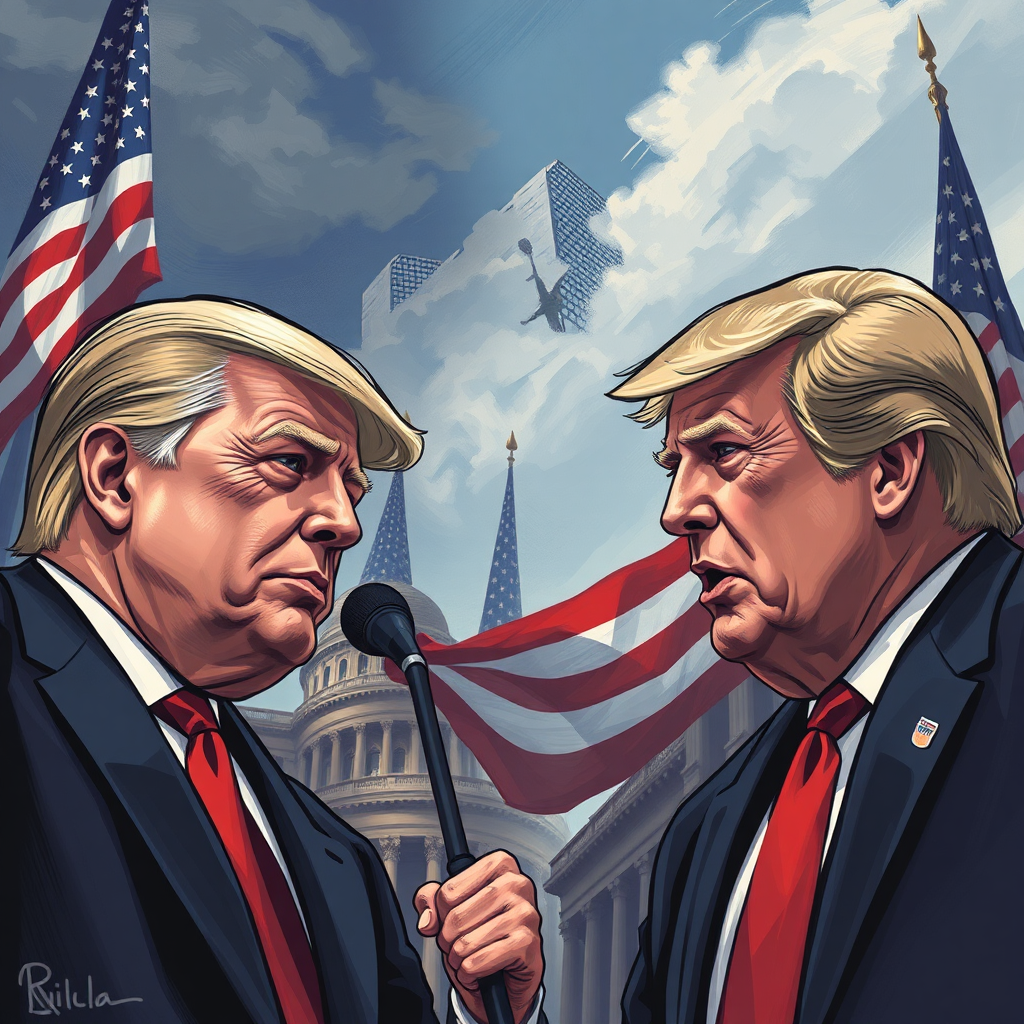
Its role in shaping public opinion, driving political campaigns, and fostering democratic dialogue is evident. As the world becomes increasingly digital, the role of social media in politics will continue to evolve. It is up to politicians, policymakers, and the public to navigate this new landscape, ensuring that the power of social media is harnessed for the benefit of democracy.
Ultimately, the rise of social media in politics underscores the importance of adaptability in the face of change. As technology continues to evolve, so too will the landscape of political discourse and campaign strategies. The challenge for politicians will be to harness the power of social media effectively, ensuring that it enriches democratic dialogue and contributes positively to the political landscape.
Indeed, social media has already left an indelible mark on the world of politics.
Its influence will continue to reshape the political landscape, offering new opportunities and challenges for politicians and the public alike.
Navigating this new terrain will require adaptability, understanding, and a commitment to democratic values. With careful navigation and effective regulation, social media can serve as a powerful tool for democratic engagement, reinforcing the essence of politics: the exchange of ideas and the pursuit of common goals.