Transforming Political Discourse: How Social Media is Reshaping Democracy
Social media platforms have undeniably transformed the political landscape. While they were once considered a secondary channel for communication, today they play an integral role in shaping public opinion and political campaigns. This transformation has not only opened new horizons for political discourse but also presented unique challenges that politicians, and the public alike, must navigate.
In the realm of political campaigns, social media platforms have fundamentally altered the way politicians connect with their constituents. Candidates are now less reliant on traditional forms of media, such as television and print ads, and are instead focusing their efforts on crafting effective social media strategies.
Platforms like Facebook, Twitter, and Instagram allow politicians to reach a broader audience, engage in real-time dialogues, and get their message across in a more personal and direct manner.
Moreover, social media has democratized access to information. It provides citizens with the opportunity to engage in political conversations, voice their opinions, and become active participants in the democratic process.
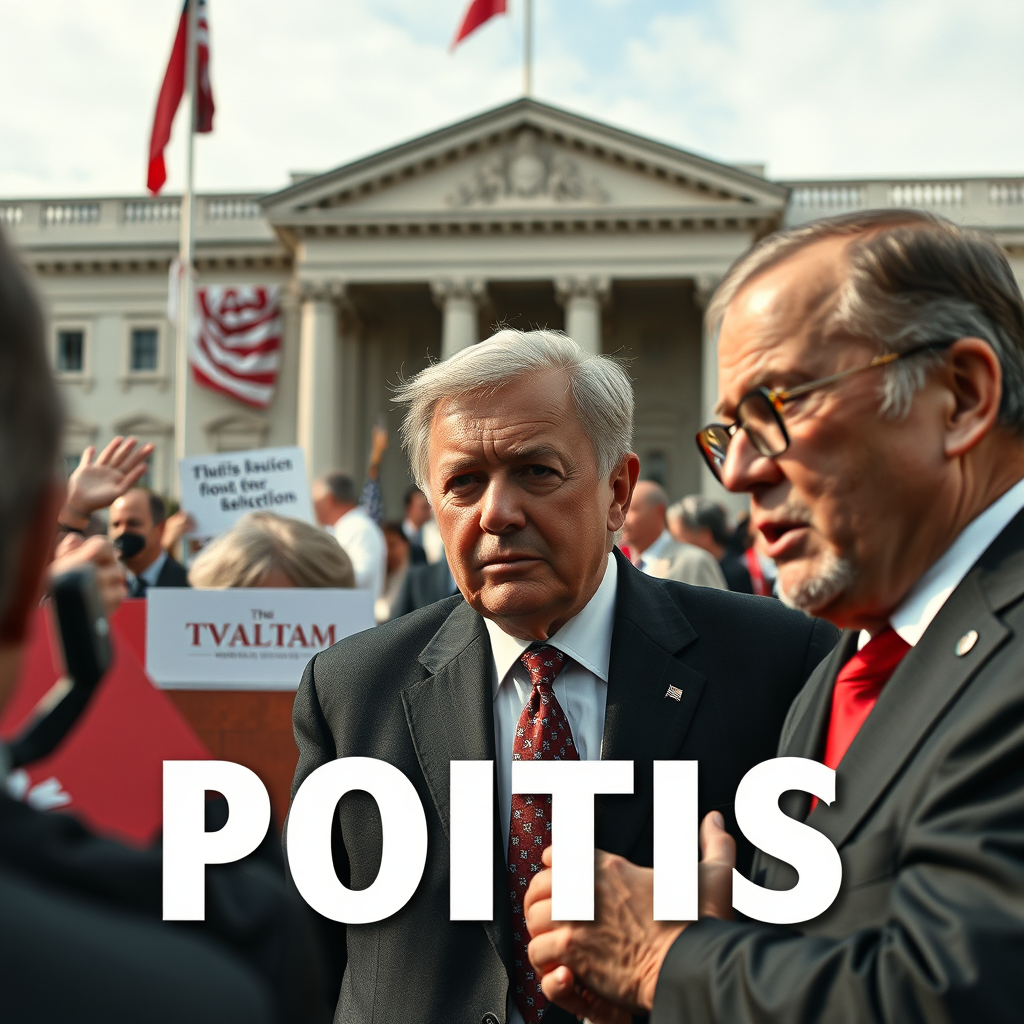
Today, it’s not uncommon to see trending hashtags shape policy debates or viral social media posts influence public sentiment. In fact, research indicates that more and more people are getting their news from social media, signaling a paradigm shift in the consumption of political information.
However, as with any powerful tool, the use of social media in politics is not without its problems. The proliferation of misinformation—or “fake news”—is a pressing concern. The instantaneous and widespread nature of social media makes it an ideal platform for the dissemination of false information, which can distort public perception and undermine trust in political institutions.
In addition, the personal and direct nature of social media can also lead to increased polarization. People are more likely to follow or friend individuals and organizations that align with their own beliefs, leading to echo chambers where only one viewpoint is reinforced. This can further entrench political divides and hinder productive discourse.
Given these challenges, it’s essential for politicians, social media platforms, and users to be conscientious about their role in this new political landscape. Politicians need to ensure they are using these platforms responsibly, avoiding the spread of misinformation and promoting respectful discourse.
Social media platforms, on the other hand, need to continue refining their policies and algorithms to better distinguish between legitimate news sources and those spreading misinformation.
And finally, as users, it’s up to us to critically evaluate the information we consume and to seek out diverse perspectives. Social media has the potential to be a powerful tool for political engagement and education, but only if we use it responsibly.
In the ever-evolving world of politics, social media has emerged as a dominant force. It continues to reshape the way we engage with political discourse and participate in our democracy. Its role is not fixed and will undoubtedly continue to evolve in response to the changing needs of politicians, users, and society at large. Despite the challenges it presents, one thing is certain: social media’s influence in politics is here to stay.