Social Media & Democracy: Moderation, Algorithms, and Misinformation Policy
Social media has become a central battleground for politics, reshaping how information spreads, how campaigns operate, and how citizens engage.
Platforms that once promised open connection now face mounting pressure to balance free expression with public safety, electoral integrity, and the prevention of harmful misinformation.
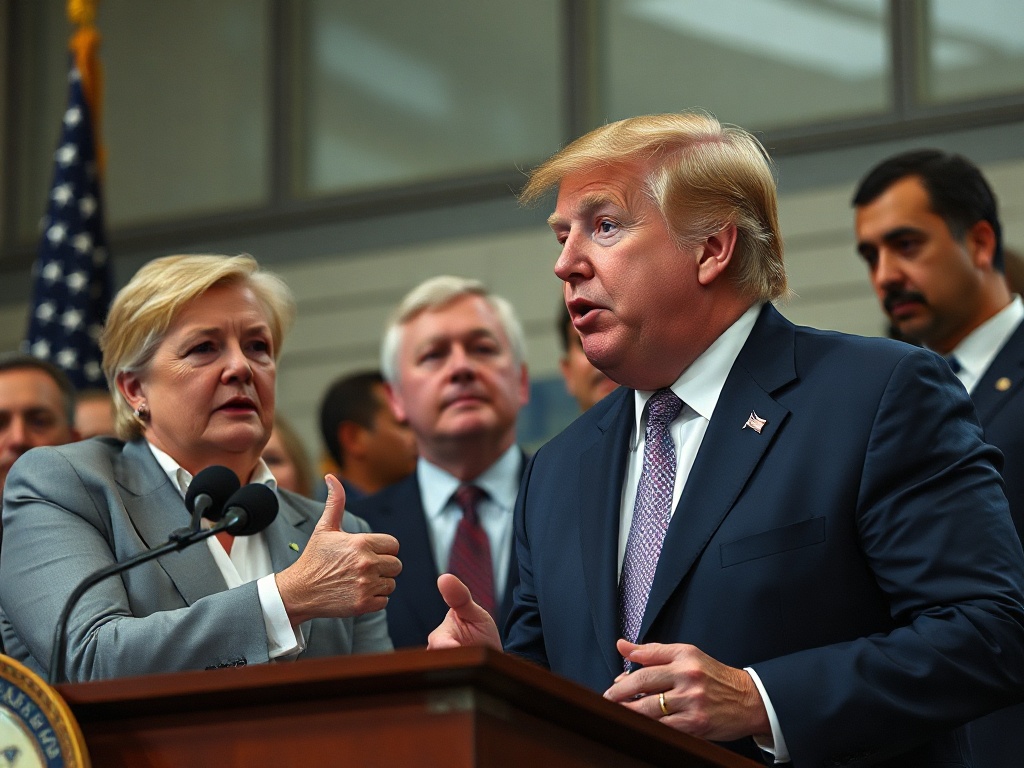
At the heart of the debate is content moderation.
Platforms use a mix of automated systems and human reviewers to remove illegal content, label disputed information, and downrank posts that violate community standards. Critics argue moderation can be opaque, inconsistent, and susceptible to political bias. Defenders point to the sheer scale of content and the need for rapid responses to coordinated disinformation, hate speech, and calls for violence. That tension creates a complex policy question: how to ensure accountability without stifling legitimate debate.
Legal frameworks and regulatory approaches are evolving. Some governments are pushing platforms toward greater transparency about algorithms, ad targeting, and moderation decisions, while others seek mandatory reporting, independent oversight, or limits on platform liability.
These policy moves aim to curb harms like foreign election interference, targeted misinformation, and the amplification of extremist content. They also raise concerns about government overreach and the potential to weaponize regulation against dissenting voices.
Algorithmic amplification deserves special attention.
Recommendation engines prioritize content likely to generate engagement, which can unintentionally favor sensational or polarizing material. Policymakers are increasingly focused on requiring platforms to disclose how algorithms work, allow third-party audits, or give users more control over what they see.
Those measures can improve transparency, but they must be carefully designed to avoid revealing mechanisms that bad actors could exploit.
Political advertising and targeted content are another flashpoint. Microtargeting enables highly specific messaging that can confuse voters or escape public scrutiny. Calls for stricter rules on targeted political ads include requirements for public ad libraries, clearer disclaimers, and limits on data-driven targeting.
Complementary solutions involve boosting public awareness about how ads are targeted and promoting digital literacy so citizens can better evaluate the source and intent of political messaging.
Misinformation and synthetic media—deepfakes—pose growing risks to democratic processes. Rapid advances in media synthesis make it easier to create convincingly realistic audio and video. Countermeasures include technology-based detection tools, platform labeling of manipulated media, and legal penalties for malicious distribution. Strengthening media literacy remains essential: citizens who can critically assess sources are far less likely to be misled by manipulated content.
Effective responses require multi-stakeholder cooperation. Platforms, civil society, independent researchers, and governments each bring unique strengths. Industry can improve content moderation standards and transparency; civil society can monitor abuses and advocate for rights; researchers can audit platform behavior; and legislators can craft targeted, rights-respecting rules. Independent oversight bodies and standardized transparency reporting can bridge trust gaps and provide ongoing accountability.
Citizens also have a role. Engaging with diverse information sources, verifying suspicious claims before sharing, and supporting trustworthy journalism help inoculate communities against manipulation. Civic education that includes digital literacy, critical thinking, and an understanding of online ecosystems should be a policy priority.
Moving forward, lawmakers should favor narrowly tailored, technology-neutral rules that protect democratic norms while safeguarding free expression. Policymakers and platforms should prioritize transparency, independent audits, and user controls. When industry, government, and civil society coordinate on clear standards and public education, social media can better serve democratic discourse rather than undermine it.