Social Media and Politics: The Rising Digital Influence on Political Engagement
Politics: The Rising Influence of Social Media
Engaging in politics has taken on a whole new life in recent years, largely due to the growing influence and prevalence of social media. Currently, we’re seeing a shift from traditional political engagement methods, such as public debates and newspaper endorsements, to more modern avenues like Twitter threads, Facebook groups, and Instagram stories. These platforms have become not just a space for interaction but a critical tool in shaping public opinion and promoting political ideologies.
One of the most notable aspects of this trend is the increasing use of social media by politicians themselves. Previously, politicians would rely on press conferences, public addresses, and official statements to communicate with the public. However, today’s political leaders are turning to their social media accounts to voice their opinions, champion their causes, and connect directly with their constituents. This shift has transformed how politicians communicate, allowing a more personal, immediate, and wide-reaching form of discourse.
At the same time, social media has also become a platform for citizens to voice their political views and opinions. Individuals can now engage in political discussions, share news, and even mobilize protests or rallies with the simple touch of a button.
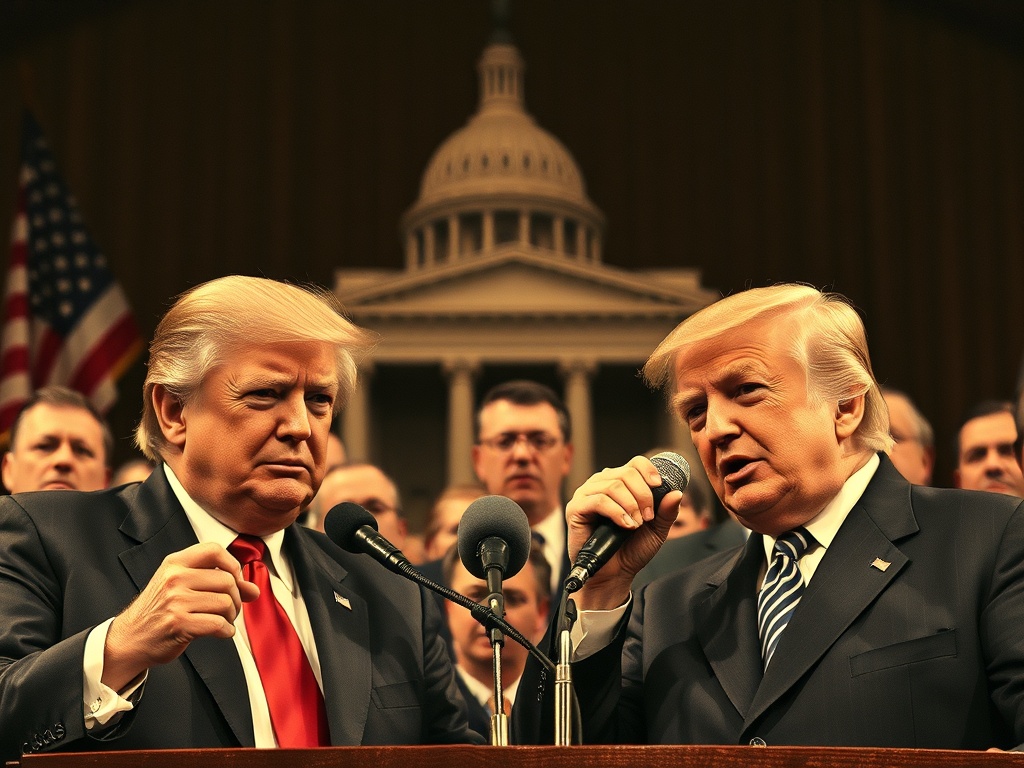
This has resulted in a more democratized flow of information, where every user is a potential propagator of news and opinions.
However, this paradigm shift isn’t without its challenges. The prevalence of fake news, misinformation, and highly polarizing content on social media platforms is a significant concern. It’s clear that these platforms can have a profound impact on public sentiment, and consequently, the political landscape.
The challenge going forward is how to manage and regulate these platforms to ensure the dissemination of accurate information, curb hate speech, and promote healthy political discourse.
Social media and politics are now intrinsically linked, and understanding this relationship is crucial for anyone involved in the political sphere. For politicians, it’s about harnessing the power of these platforms to connect with their constituents and convey their messages.
For the public, it’s about navigating the digital landscape to stay informed and engaged while discerning fact from fiction.
But beyond politicians and the public, this shift also poses questions for social media companies themselves. As their influence over the political landscape grows, so does their responsibility. Balancing the principles of free speech while preventing the spread of misinformation is a delicate task, and one that will continue to be a topic of discussion in the years to come.
In this current era, it’s clear that the influence of social media in politics is substantial and growing. As we continue to navigate this digital landscape, it’s critical to remain vigilant, informed, and engaged – because social media isn’t just about connecting with friends or sharing photos anymore, it’s a powerful political tool that is reshaping how we engage with and understand the world of politics.