Social Media and Politics: Redefining Political Engagement in the Digital Age
In the contemporary digital landscape, the role of social media in politics has become increasingly significant. Social media platforms such as Facebook, Twitter, Instagram, and LinkedIn have transformed the way political parties, candidates, and government bodies engage with the public. This shift has the potential to redefine political engagement, policymaking, and the democratic process itself.
Social media has become a central force in political campaigns. Politicians are leveraging these platforms to reach a wider audience, communicate their message, and engage in real-time dialogue with citizens. The viral nature of social media enables messages to spread rapidly, creating new opportunities for political campaigns. For instance, through strategic social media campaigns, candidates can generate a significant online following, which in turn can translate into offline support, donations, and votes.
The rise of social media has also enabled politicians to bypass traditional media outlets to connect directly with their audience. This direct access to constituents allows politicians to control their narrative, respond to criticism, and share their views on key issues instantly. At the same time, social media platforms have become a popular forum for political debate, fostering greater citizen participation in political discourse. This has the potential to enhance democratic engagement, as more individuals become informed about and involved in political affairs.
Yet, the intersection of politics and social media is not without its challenges.
The prevalence of misinformation and fake news on social media platforms poses a threat to the integrity of political campaigns and public decision-making. In recent years, there has been a rise of digital misinformation campaigns designed to manipulate public opinion, instigate political division, and interfere with elections. This underscores the necessity for robust fact-checking mechanisms and digital literacy initiatives to ensure the integrity of political discourse on social media.
In addition, the vast amounts of data generated on social media represent a privacy concern. Data analytics are increasingly used in political campaigns to target specific demographics, raising questions about the ethical use of personal data in politics. Privacy regulations and transparent data practices must be prioritized to protect the rights of citizens in this digital age.
Moreover, while social media has the potential to widen political participation, there is a risk of exacerbating social divisions. Online echo chambers can reinforce existing beliefs, polarize opinions, and limit exposure to diverse perspectives.
Therefore, it is essential to promote digital spaces that foster balanced political conversations and respect diverse viewpoints.
In today’s interconnected world, the impact of social media on politics cannot be underestimated. As social media continues to evolve, so does its influence on the political landscape. It is a tool that, when used ethically and responsibly, can democratize political participation, amplify marginalized voices, and foster transparency in governance.
However, managing its challenges necessitates concerted efforts from policymakers, tech companies, and civil society.
Looking ahead, the symbiosis between social media and politics will continue to shape the future of political engagement.
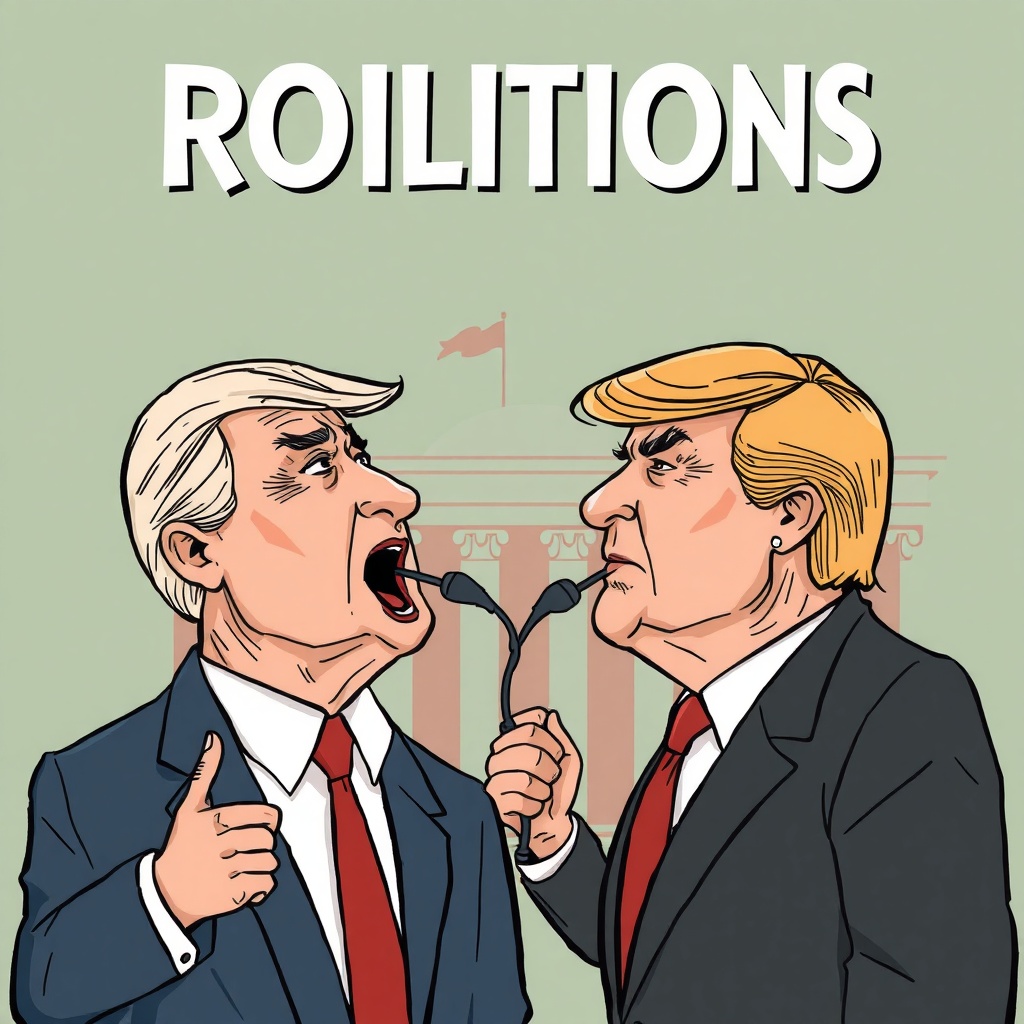
It is a dynamic relationship that highlights the complexity of the digital age.
In this evolving political landscape, the challenge lies in harnessing the power of social media, while ensuring its responsible use in fostering a healthy democratic process.