Power, Politics, and Posts: Decoding the Influence of Social Media on Modern Politics
Exploring the Role of Social Media in Modern Politics
As the digital age continues to evolve, social media has become an increasingly integral part of our daily lives. More than just a platform for sharing selfies or instant updates, it has transformed into a powerful tool for communication, influencing various facets of society, from businesses to politics.
Today’s politics is no exception. Social media’s influence is evident, significantly reshaping the political landscape. Leaders, politicians, and political parties now utilize these platforms to communicate with the public, share their views, and even mobilize supporters.
This transformation has redefined how political strategies are crafted and implemented.
Social Media: The New Political Battleground
Traditionally, politicians reached their audience through print media, television debates, and public gatherings. However, with the advent of social media platforms like Facebook, Twitter, and Instagram, political discourse has transitioned into the digital sphere. Today’s politicians can now interact with their constituents directly, addressing their concerns and answering their queries in real-time. Moreover, these platforms grant politicians the opportunity to mold public opinion, shape political narratives, and increase their visibility on a global scale.
Mobilizing Supporters
Social media platforms have also evolved into powerful tools for mobilizing supporters.
For example, political campaigns often use hashtags to create a sense of community among supporters, encouraging them to participate in digital rallies or online discussions.
Through these platforms, political messages are disseminated swiftly, reaching a broad audience in seconds.
Impact on Voter Behavior
Another significant aspect of social media influence in politics is its potential effect on voter behavior.
Many younger voters, in particular, depend on social media for political news and information. Politicians and political parties, aware of this shift, have tailored their strategies accordingly.
They are investing more resources into their social media presence and efforts to engage the electorate online.
In addition, social media has also facilitated a more interactive form of politics.
Politicians can get instant feedback from their followers, enhancing their understanding of public sentiment and effectively adjusting their strategies.
Challenges and Controversies
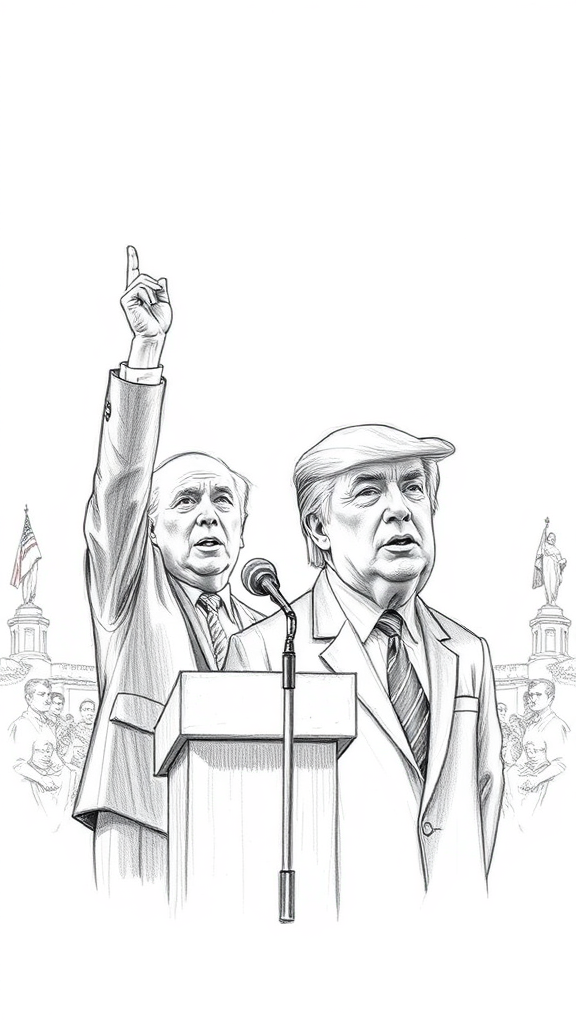
However, the impact of social media on politics is not without its challenges and controversies.
The openness of these platforms has led to concerns about misinformation and ‘fake news’.
Inaccurate news stories can spread rapidly, potentially influencing public opinion and electoral outcomes. These issues highlight the need for robust fact-checking mechanisms and digital literacy among users.
Lastly, privacy concerns have also surfaced. As political organizations harness social media’s power to influence, there are growing worries about the misuse of personal data for political advantages.
The Future of Politics in the Social Media Age
As we move forward, the role of social media in politics is expected to grow even larger.
The digital era has fundamentally changed how politicians and constituents communicate, how campaigns are run, and potentially, how people vote. However, with these advancements come significant challenges that society must acknowledge and address.
In the end, social media’s influence on politics is a testament to the immense power of digital platforms. It’s a reminder that in this interconnected world, every tweet, status update, or Instagram post may hold political significance. Therefore, it’s crucial for both politicians and the public to navigate these platforms responsibly, ensuring that they contribute positively to the democratic process.