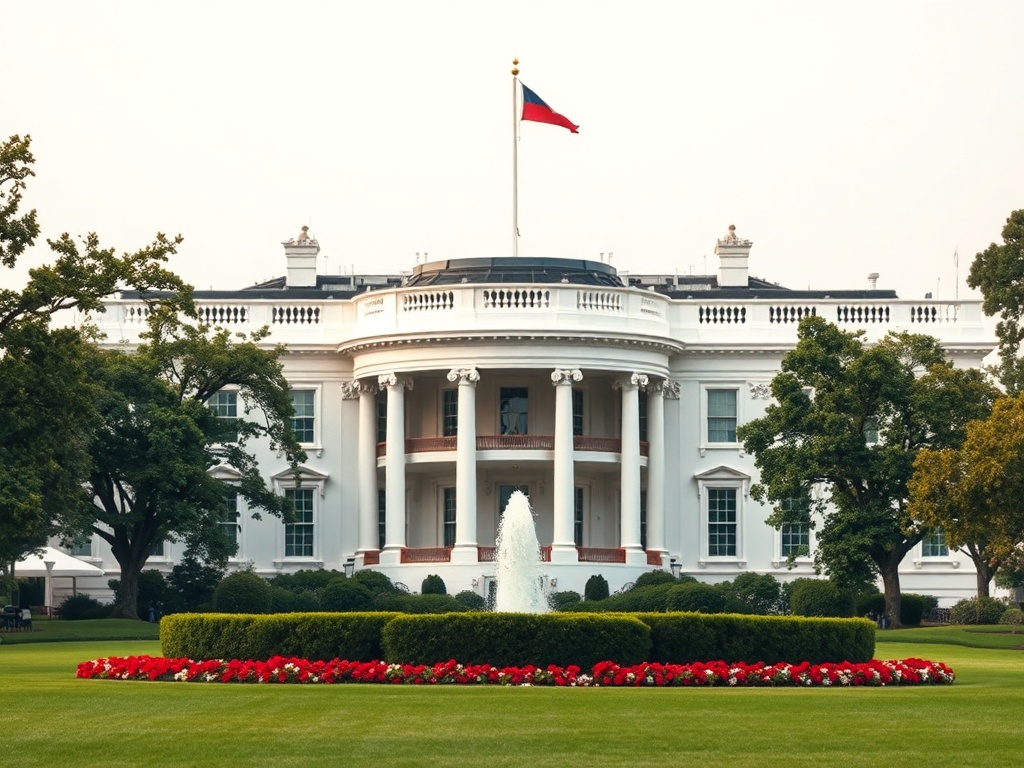
How to Tour the White House: Request a Tour, Security Rules & Visitor Tips
How to Tour the White House: What Visitors Need to Know
A visit to the White House remains one of the most sought-after experiences for travelers and citizens alike. Whether you’re planning a first-time tour or returning for a refreshed look, knowing how the process works and what to expect will make the visit smoother and more memorable.
How to request a tour
– U.S.
residents typically request public tour passes through their member of Congress. Contact your representative’s or senator’s office for details and the required information.
– International visitors usually coordinate through their home country’s embassy in Washington, D.C., which can assist with tour requests.
– Advance planning is essential: public tours are offered on a limited basis and can be affected by official events or security considerations. Check official channels well ahead of your trip.
Security and screening
Expect thorough security screening.
Tour registration requires submitting personal details for background checks, and you must bring government-issued photo ID on the day of your visit.
Many tours restrict or prohibit large bags, backpacks, food, and other items; some sites do not offer storage nearby. Follow all instructions from security staff and be prepared for last-minute changes or cancellations tied to official activities.
What you’ll see
Public tour routes typically showcase the State Floor and key ceremonial rooms, such as the East Room, Blue Room, Green Room, and the State Dining Room. The West Wing and private residential quarters are generally not part of public tours.
On occasion, galleries, special exhibits, or seasonal displays are added, and outdoor areas like parts of the Rose Garden may be visible from designated vantage points during public events.
White House Visitor Center and digital resources
If you can’t secure an interior tour, the nearby White House Visitor Center offers exhibits, interactive displays, and historical context that bring the story of the residence and presidency to life. The official White House website and affiliated digital platforms also provide virtual tours, multimedia galleries, and detailed histories, allowing remote visitors to explore many of the same spaces.
Accessibility and special accommodations
Accessible tour options are available. Visitors with mobility needs or other accommodations should communicate requirements when requesting passes so staff can provide appropriate assistance.
Service animals for people with disabilities are typically permitted with prior notification—confirm arrangements when you make your request.
Timing and popular tips
– Plan for time: allow extra for security and possible wait times. Nearby attractions and museums can fill time before or after your visit.
– Dress and behavior: this is a working government residence and a ceremonial space. Dress conservatively and be ready to follow decorum guidelines during the tour.
– Photography rules vary: some rooms allow photos while others do not. Always adhere to posted instructions and staff directions.
Why plan ahead
Public tours can be limited by official events, diplomatic visits, and security considerations, so flexibility is important. Advance planning through official channels, a realistic timeline, and awareness of security rules will increase the chances of a successful visit and make the experience more enjoyable.
For the most reliable guidance, consult the official White House website or the White House Visitor Center before you travel. That will ensure you have the latest instructions, entry requirements, and any temporary advisories that could affect your plans.