How to Reduce Political Polarization: Practical Reforms and Civic Habits to Rebuild Trust in Democracy
Political polarization is one of the defining challenges for democratic systems today. When political identities start to eclipse policy debates, public trust erodes, institutions strain, and compromise becomes rare. Addressing polarization requires both systemic reforms and everyday civic practice that restore incentives for cooperation, transparency, and fact-based debate.
Why polarization matters
Polarization raises the stakes of politics so that elections feel like existential contests rather than contests over priorities. That dynamic encourages zero-sum behavior: parties pursue short-term victories, use divisive rhetoric, and prioritize loyalty over performance.
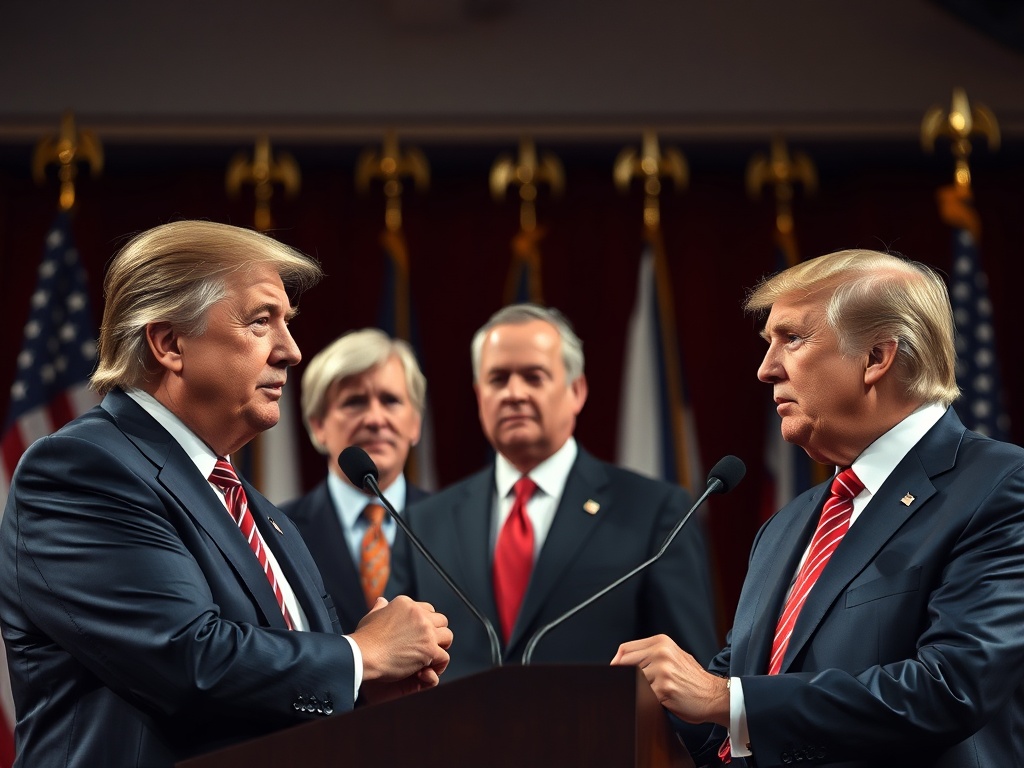
The result is policy gridlock on pressing issues, heightened social tension, and declining confidence in public institutions.
Systemic fixes that reduce incentives for extremism
Electoral design matters. Alternative voting systems like ranked-choice voting can encourage candidates to seek broader appeal rather than rely on the most motivated, polarized base.
Independent redistricting commissions reduce incentives for partisan gerrymandering, making elections more competitive and reducing the payoff for extremism. Measures that expand access to voting—automatic registration, early and mail voting, and accessible polling—help ensure outcomes reflect a wider cross-section of citizens rather than narrow, highly motivated groups.
Transparency and money in politics
Campaign finance and dark money distort political incentives. Greater transparency around political spending and stronger disclosure requirements for groups that influence elections reduce the ability of anonymous donors to push fringe agendas.
Public matching funds or small-donor amplification programs can empower candidates who rely on broad grassroots support rather than large private checks, aligning incentives with wider constituencies.
Information ecosystems and media literacy
Social platforms and fragmented media ecosystems amplify polarizing content because sensationalism often attracts more engagement.
Strengthening quality journalism and boosting public media literacy can blunt that effect. Fact-checking, clear labeling of sponsored content, and support for local news outlets create counterweights to misinformation.
Schools and community programs that teach critical thinking and source evaluation help citizens navigate a crowded information landscape.
Civic renewal at the local level
Local politics is where many practical solutions emerge. Town halls, participatory budgeting, and citizen assemblies create opportunities for deliberation across differences. Engaging in local volunteering, school boards, or zoning meetings often reconnects citizens with tangible results of governance, reducing the abstract hostility that fuels nationwide polarization.
Institutional norms and cross-partisan cooperation
Political norms matter as much as formal rules. Upholding norms of civility, respecting minority rights, and prioritizing long-term governance stability over short-term advantage can be restored through both leadership and public pressure. Mechanisms that encourage cross-party problem-solving—bipartisan working groups, joint policy task forces, or shared oversight committees—make compromise politically viable and demonstrate governance that works.
What individuals can do
– Stay informed through diverse, reliable sources and practice media literacy.
– Participate in local civic processes where influence is tangible.
– Support transparency and campaign finance reforms through petitions or contacting representatives.
– Model respectful dialogue: seek to understand opposing views and focus on shared problems.
A healthier political environment depends on combining institutional reforms with everyday civic habits. When systems reduce incentives for division and citizens demand better information and cooperative leadership, politics shifts from a battlefield to a forum for collective problem-solving. That shift makes it more likely public policy addresses urgent challenges with durable, broadly supported solutions.