How the White House Works: A Visitor’s Guide to Tours, Security, Architecture, Art, and Public Events
The White House remains one of the most recognized symbols of national leadership and public life.
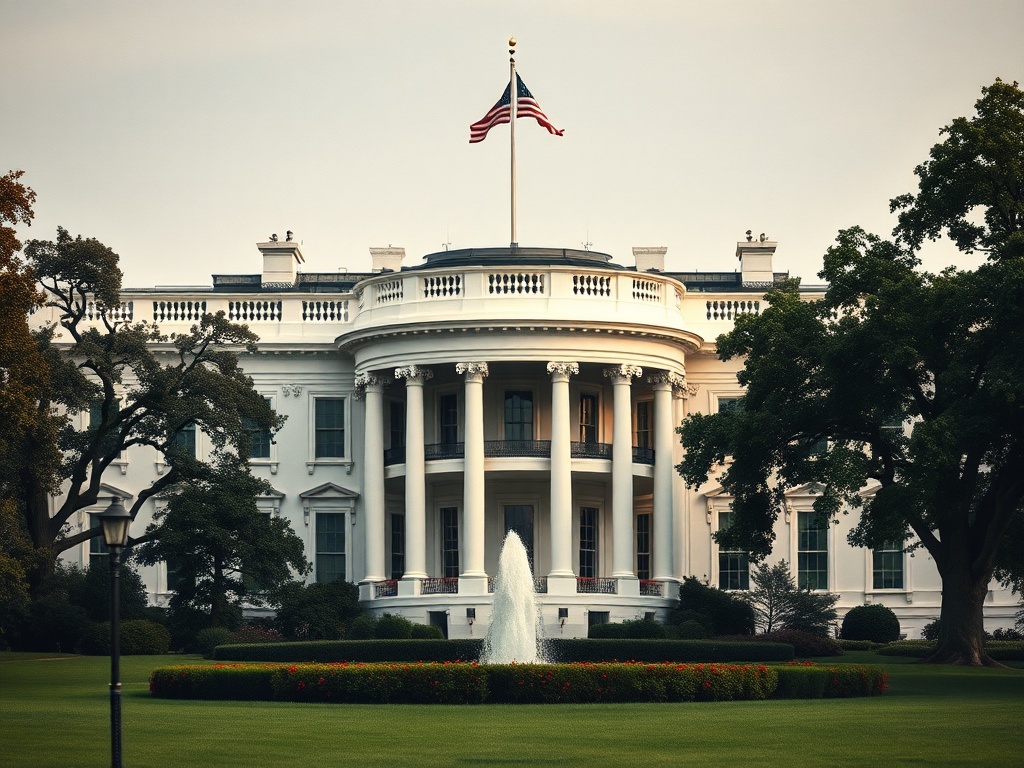
More than just the residence of the executive, it functions as a working office, ceremonial stage, museum of American art, and a hub for diplomatic activity. For visitors and observers, understanding how the White House operates and how to engage with it offers both practical value and a richer appreciation of civic life.
Architecture and layout
The White House complex blends neoclassical architecture with layers of later additions and thoughtful preservation.
Key components include the Executive Residence, where formal state rooms and private family quarters are located; the West Wing, home to the Oval Office and senior executive offices; and the East Wing, which houses visitor reception and offices.
Outdoor spaces such as the Rose Garden and South Lawn provide settings for announcements, ceremonies, and public events, balancing formality with accessible green space.
Public access and tours
Public tours provide a rare chance to see historic rooms like the State Dining Room and the East Room.
Domestic visitors typically request tours through their member of Congress, while international visitors often coordinate through their country’s embassy. Advance planning is essential: tours are free but require background information for security screening, and availability fluctuates with the official schedule. When planning a visit, check the official White House website for the most current details on tour procedures, hours, and prohibited items. Virtual tours and multimedia resources also make it possible to explore highlights remotely.
Ceremonies, traditions, and public events
The White House calendar includes a mix of diplomatic gatherings, cultural celebrations, and family-focused traditions. State dinners host visiting heads of state and showcase American hospitality; public events such as holiday celebrations and signature traditions invite broad engagement. These events highlight the White House’s dual role as both a working executive headquarters and a venue for national rituals.
Art, preservation, and collections
The White House maintains a significant collection of art, furniture, and historic objects curated to reflect national heritage and evolving tastes.
Preservation teams and curators work continuously to conserve textiles, paintings, and architectural features while accommodating the needs of a living residence.
Public interest in these collections has driven efforts to expand interpretive materials and increase transparency about preservation programs.
Security and visitor experience
Security is necessarily tight around the White House, which affects how visitors experience the site.
Expect identity verification, restrictions on items you can bring, and periodic closures for official business. These measures are designed to protect both occupants and visitors while enabling many public-facing activities to continue. For smoother access, arrive early for scheduled tours, follow guidance from official sources, and allow time for screening.
Sustainability and modernization
Ongoing efforts address energy efficiency, sustainable landscaping, and modern communications. These initiatives aim to preserve the historic character of the White House while adapting to contemporary environmental and technological expectations. Public-facing programs increasingly emphasize transparency about these upgrades and invite civic dialogue about stewardship and accessibility.
Why it matters
The White House stands at the intersection of history, governance, and public life.
Whether you’re planning a visit, following a diplomatic event, or studying its architectural evolution, understanding how the White House functions enhances civic literacy and encourages informed engagement. For the latest visitor information and official announcements, consult official channels before making plans.