Digital Revolution in Politics: Unveiling the Impact of Social Media on Political Engagement
The Rise of Social Media in Politics
In the world of politics, the tide is turning. Traditional channels of communication, such as television and newspapers, are finding competition in the digital realm.
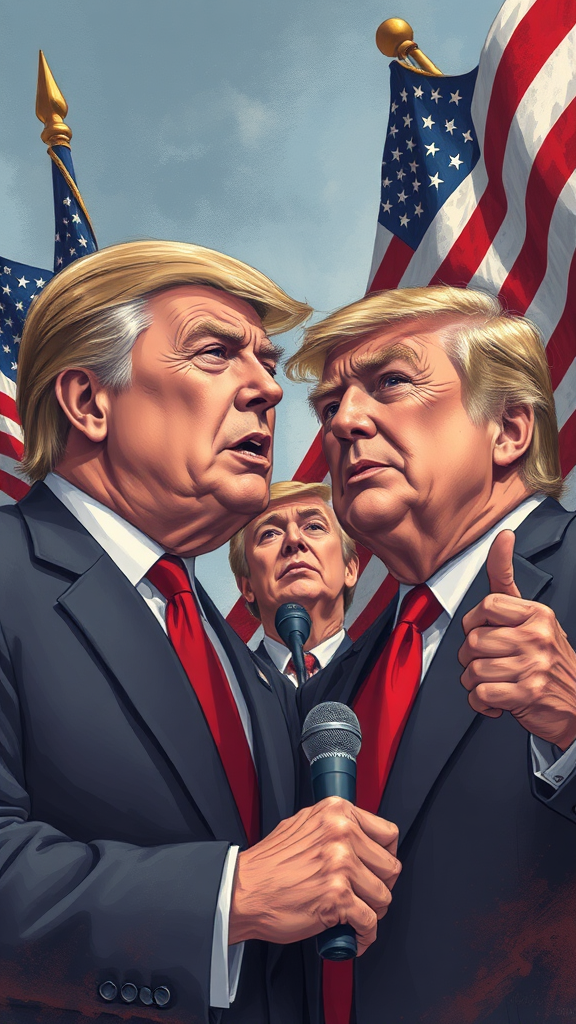
In the current dynamic landscape, social media has emerged as a powerful platform shaping political discourse, changing the way politicians interact with voters and how campaigns are run.
In the past, political campaigning meant door-to-door canvassing, arranging town hall meetings, and launching television advertisements. However, in the digital era, politicians are increasingly turning to social media to communicate their messages in a more direct and compelling manner. Facebook, Twitter, Instagram, and other platforms have become indispensable tools for politicians to engage with their constituents, gather support, and even mobilize voters.
The real-time nature of social media allows politicians to gauge the public mood and respond to events as they unfold. They can communicate their viewpoints directly to the public, without the filter of traditional media. This direct line of communication creates a sense of authenticity and personal connection that can be powerful in swaying public opinion. Politicians can also use social media analytics to understand the demographics of their followers and tailor their messages accordingly.
But this new digital frontier isn’t without its challenges. The vastness of the internet and the intensity of social media can also lead to misinformation and echo chambers, where people only hear views similar to their own.
This can polarize societies, leading to more divisive politics.
Moreover, the lack of regulation on social media platforms can lead to issues such as fake news, online trolling, and the misuse of personal data. These issues present unique challenges to the political landscape, prompting debates on the need for stricter regulation and transparency in online political advertising.
Nevertheless, the power of social media in politics is undeniable. It has transformed the way campaigns are run, making them more targeted, personalized, and immediate. Today, an effective social media strategy is crucial to political success. By understanding the evolving digital landscape, politicians can better connect with constituents, influence public opinion, and ultimately, shape the future of politics.
At the same time, as citizens, it becomes increasingly important to be discerning and critically evaluate the political messages we receive through social media. With the accessibility of information at our fingertips, it is up to us to verify facts, question narratives, and actively participate in the democratic process.
Indeed, the rise of social media in politics is a testament to the broader trend of digital transformation.
As this trend continues, we can expect to see even more innovative ways of leveraging social media to shape political discourse.
The digital realm is the new frontier in politics, a space where power is contested, alliances are formed, and public opinion is shaped. Navigating this landscape requires both digital literacy and an understanding of the intricate dynamics of politics.
The use of social media in politics is a topic that is relevant and current, offering a fresh perspective to the understanding of political campaigns. Its influence is pervasive, shaping the way politicians interact with voters, how campaigns are run, and how the public views politics. With the integration of digital media into everyday life, the impact of social media on politics is a pressing issue in today’s world that warrants attention and understanding.