Digital Politics: Unveiling the Powerful Impact of Social Media on Political Landscapes
The influence of social media on politics is a phenomenon that has been transforming the political landscape. With an ever-increasing number of people turning to social media for information, politicians have had to adapt their communication strategies to reach their constituents and engage with the public more effectively.
One of the most significant impacts social media has had on politics is its facilitation of rapid information dissemination and public opinion formation. Platforms like Twitter, Facebook, and Instagram allow politicians to share their views and policies directly with their followers.
This direct communication eliminates the potential distortion that can occur when messages are filtered through traditional media outlets, such as newspapers, radio, and television.
In addition to providing a platform for direct communication, social media has also increased the public’s access to politicians. It has never been easier for individuals to contact their local, regional, or even national representatives. By simply tagging a politician in a social media post or commenting on their updates, constituents can ask questions, voice their concerns, or show their support. This level of access and interaction has helped to humanize politicians, making them more relatable and accessible to the citizens they represent.
Moreover, the use of social media in politics has drastically altered the way political campaigns are run. With the ability to harness the power of viral content, campaigns often use social media platforms to rally support, mobilize voters, and fundraise. The ability to generate engaging content, such as videos, infographics, and thought-provoking posts, can significantly contribute to a campaign’s success.
However, while the influence of social media on politics has many benefits, it also brings challenges. The spread of misinformation, often referred to as “fake news,” has become a significant concern. Unverified or exaggerated claims can spread rapidly on social media, leading to confusion and polarized public opinion. To address this, many social media platforms have recently implemented fact-checking measures and policies to combat the spread of misinformation.
Furthermore, the issue of online harassment and hate speech is increasingly relevant in the context of political discourse on social media. The anonymity provided by the internet can embolden individuals to express extreme views or engage in personal attacks, creating a hostile environment for open and respectful political debate.
In this new era of digital politics, it’s critical to approach social media with a discerning eye.
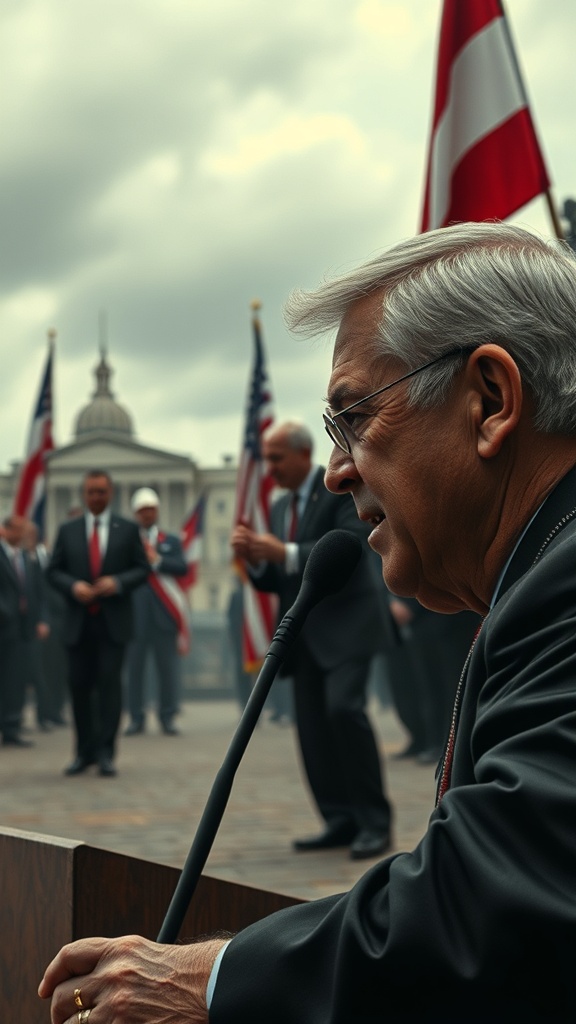
While it offers unprecedented access to politicians and information, it also presents challenges that society must address. For effective political engagement in the digital age, let’s be aware of the potential pitfalls and use these powerful platforms responsibly.
Indeed, the impact of social media on politics is profound and long-lasting. As technology advances and social media platforms evolve, their role in political communication and campaigning is likely to become even more significant.
It’s incumbent upon us, as engaged citizens, to leverage this digital tool to foster open, informed, and respectful political discussions for shaping a democratic society.