White House Visitor Guide: Tours, Security, Accessibility & What to Expect
The White House functions as both a symbolic residence and an active center of executive power, combining history, public access, and daily governance on a single, closely guarded campus. Understanding how the complex is organized and what visitors can expect helps make a visit—or coverage of it—more meaningful.
What the complex includes
– West Wing: Houses the Oval Office, the Cabinet Room, senior staff offices, and the Press Briefing Room. This is the operational hub where many day-to-day decisions and public communications take place.
– Executive Residence: The living quarters and main state rooms used for ceremonial functions, receptions, and tours.
– East Wing: Contains visitor processing and offices associated with the first spouse’s staff and public programs.
– Surrounding buildings and grounds: Notable spaces include the Rose Garden, South Lawn, and nearby historic offices that support executive operations.
Public access and tours
Public tours are offered but are organized differently from typical museum visits. Many tour slots are allocated through requests made by members of Congress for residents, while international visitors usually coordinate through their embassies.
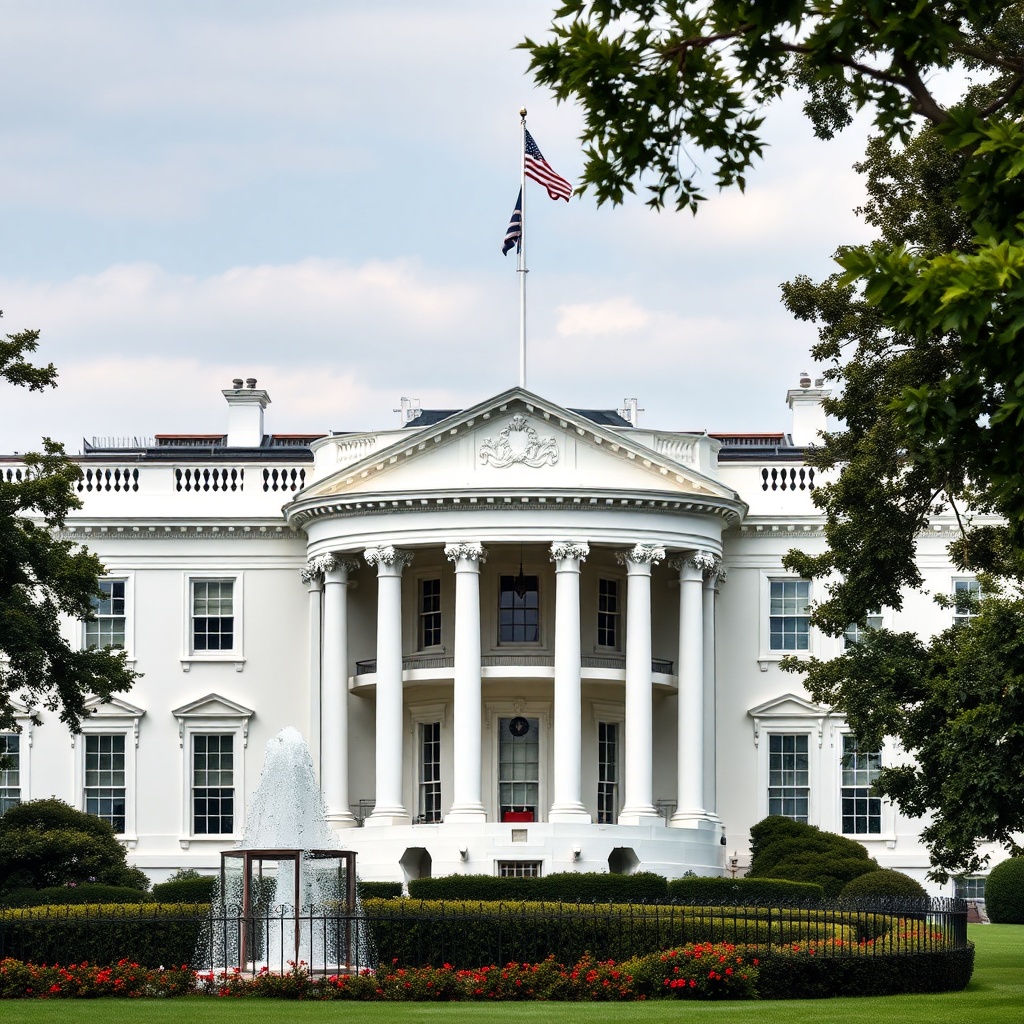
Advance planning is essential: requests often need to be submitted well before the desired visit, and availability can change with official events or security requirements.
Expect strict security screening. Most portable items are restricted, and some items commonly allowed at other landmarks may be prohibited. Photography policies can vary depending on where you are permitted to go inside the complex.
For a smooth experience, confirm details with your congressional office or embassy before you travel.
Practical tips for visitors
– Request a tour early through the proper channels and expect a security screening on arrival.
– Carry government-issued photo ID and any documentation provided by the office that arranged your tour.
– Prepare for limited amenities inside the immediate White House area; plan logistics for meeting points and transit.
– Check accessibility options: the White House and Visitor Center offer accommodations for guests with mobility challenges—ask when arranging the visit.
– Follow posted rules during public events and on the grounds; staff and National Park Service personnel provide guidance.
Public events and community programs
The White House hosts a range of public-facing activities, from seasonal decorations and holiday tours to outreach events and cultural programs. Signature gatherings such as garden-focused events, public celebrations, and education initiatives connect the executive residence to civic life.
Many of these programs are designed with family participation and media coverage in mind.
Media and communications
The Press Briefing Room in the West Wing is a focal point for daily public communications. It’s where official statements, press conferences, and daily briefings are delivered to journalists who cover the executive branch. The White House also engages with the public through outreach offices and official digital channels that highlight initiatives, events, and historic preservation efforts.
Preservation, sustainability, and public engagement
Continued care of the White House combines historic preservation with modern needs. Maintenance of historic rooms, conservation of furnishings, and updates for accessibility and energy efficiency are ongoing priorities.
Organizations dedicated to preserving the site work alongside government offices to balance public access with the building’s role as a working residence.
Whether you’re planning a visit, following briefings, or watching public events, understanding how the White House operates helps set expectations and enriches the experience of observing one of the nation’s most visible institutions.