White House Visitor Guide: Tours, Public Access, Preservation, and What to Know Before You Go
The White House remains one of the most visible symbols of executive power, national history, and everyday life in the U.S. Combining working offices, state rooms, private residence space, and public-facing programs, it functions as both a living home and a diplomatic stage.
Understanding how the White House operates, how the public can engage with it, and how preservation and modernization coexist helps demystify this iconic place.
What the White House does
– Executive functions: The complex houses the President’s principal offices, including spaces used for decision-making, briefings, and meetings with cabinet members and visiting leaders. Those working areas are part of a broader campus that supports national governance.
– Diplomacy and ceremony: State dinners, official arrivals, and special ceremonies are staged in the State Floor and on the South Lawn or Rose Garden, sending powerful symbolic messages to domestic and international audiences.
– Public engagement: From holiday decorations and public tours to educational programming and major events, the White House offers multiple ways for citizens to connect with their government.
Visiting and public access
Public tours of the White House are available but require advance planning and security screening. U.S. residents typically request tours through their member of Congress, while international visitors usually arrange access through their embassy. Requests should be made well ahead of planned travel; availability changes seasonally and around official events.
Security measures are strict: expect background checks and restrictions on carry-on items. The White House Visitor Center, located near the Ellipse, provides exhibits, orientation, and logistical information for visitors who cannot arrange an interior tour.
Historic preservation meets modern needs
Maintaining the White House is a continuous, behind-the-scenes effort. Preservation teams work to conserve historic furnishings, artworks, and architectural details while upgrading systems like climate control, telecommunications, and security to meet contemporary needs.
Organizations such as preservation committees and historical associations collaborate with architects, conservators, and curators to protect the building’s fabric and interpretive mission.
Sustainability and grounds
The White House grounds include formal gardens, lawns, and productive spaces such as the Kitchen Garden.
Gardening initiatives often highlight seasonal produce and pollinator-friendly landscapes and serve as platforms for larger policy messages on food systems and sustainability. At the same time, landscaping is tailored to accommodate public events, state visits, and the operational needs of the residence.
Programs, traditions, and public life
Long-standing traditions—like holiday decor, state arrival ceremonies, and annual public events—help make the White House part of civic life.
Educational outreach, exhibitions at the Visitor Center, and digitized archives extend access beyond physical visits, allowing students, historians, and the curious public to explore White House history and presidential archives online.
Practical tips for prospective visitors
– Plan early and check official channels for the most current tour procedures and security requirements.
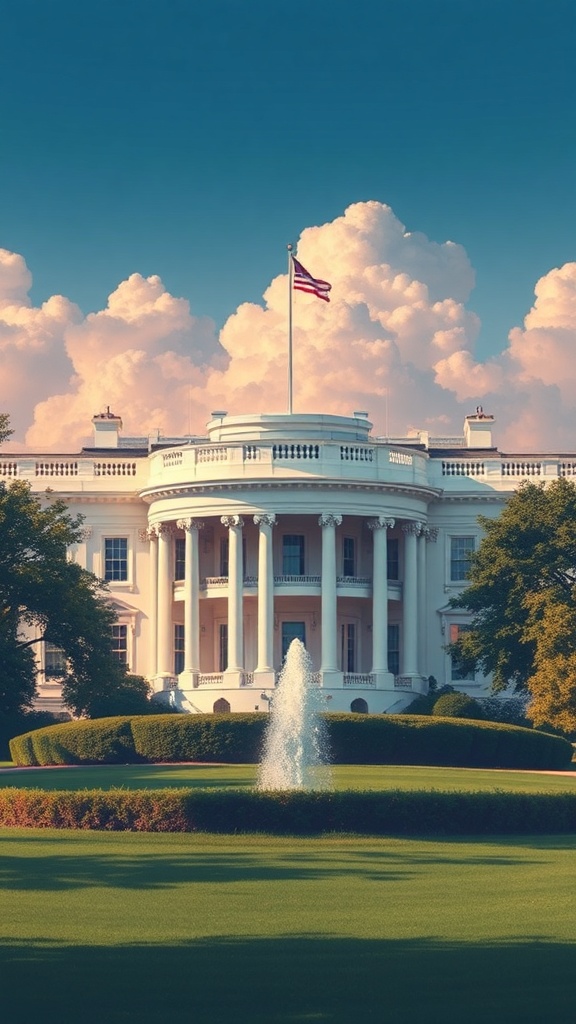
– Be prepared for background checks and strict item restrictions; photo policies can vary by area.
– Visit the White House Visitor Center for exhibitions and context if an interior tour isn’t possible.
– Keep an eye on public announcements for special events that may affect access.
The White House continues to balance tradition and adaptation: preserving artifacts and historic rooms while evolving operationally and symbolically to reflect contemporary priorities.
Whether experienced in person, through exhibits, or online resources, it remains a focal point for civic engagement, national storytelling, and diplomacy. For the latest visitor guidance and program details, consult official White House channels and your congressional office or embassy when planning a visit.