White House Modernization: How Historic Preservation Meets Sustainability, Resilience, and Security
The White House is more than an iconic residence; it’s a working campus that must balance history with the demands of a modern federal workplace.
Recently, efforts to upgrade infrastructure, reduce emissions, and improve resilience have drawn attention because they illustrate how a historic landmark can meet contemporary expectations for energy efficiency, security, and accessibility.
Energy efficiency and renewable energy
Sustainability upgrades target aging systems that drive high energy use. Ongoing improvements include insulating the building envelope, replacing obsolete HVAC equipment with high-efficiency systems, and deploying modern controls that optimize heating, cooling, and lighting. Where possible, low-profile renewable installations and off-site clean energy procurement are used to reduce the White House’s carbon footprint without altering the historic facade. Energy monitoring and automated management help maintain comfort while trimming waste.
Resilience and climate adaptation
The grounds and mechanical systems are being adapted to handle more extreme weather and shifting climate risks. Flood mitigation, stormwater management, and enhanced backup power systems are priorities that protect both historic interiors and mission-critical operations.
Resilience measures emphasize redundancy—multiple independent systems for power, communications, and data—so that essential functions continue during outages or emergencies.
Historic preservation and aesthetics
Upgrading a National Historic Landmark requires a careful approach. Preservation specialists work with engineers to ensure that energy-saving measures and security upgrades preserve historic materials and sightlines. Solutions favor reversible interventions, concealed mechanical pathways, and materials that match original finishes. Landscaping enhancements are designed to respect historic plans while supporting biodiversity and stormwater absorption.
Mobility and electrification
The campus fleet and visitor services are evolving with electrification and low-emission options.
EV charging infrastructure for official vehicles and service fleets is expanding subtly to avoid visual disruption. Improved routes and staging areas help limit vehicle congestion while maintaining the necessary security perimeter. These changes demonstrate how operational efficiency and lower emissions can coexist with strict protective requirements.
Public engagement and transparency
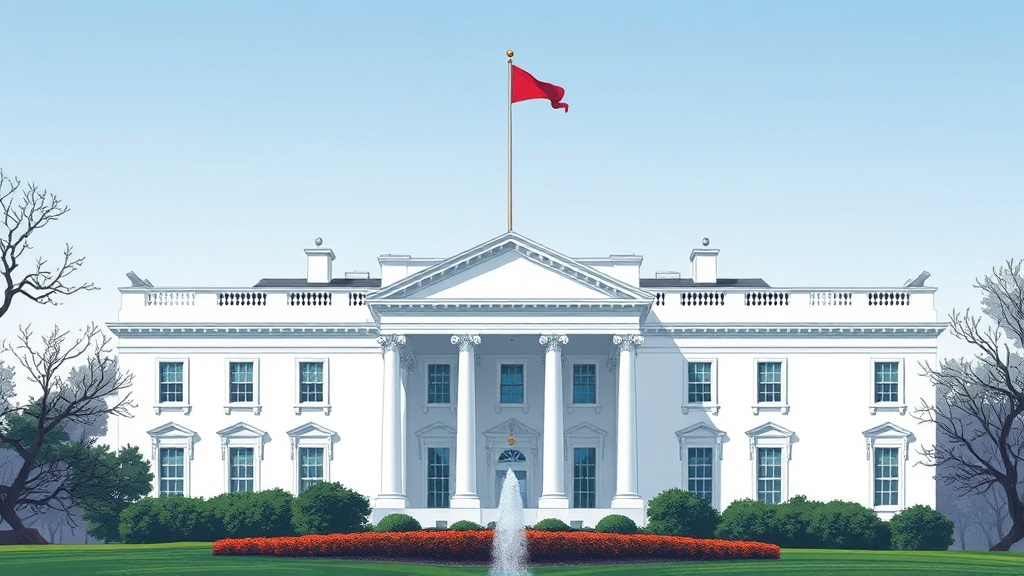
Modernization efforts are paired with outreach to keep the public informed. Tours, virtual programs, and educational materials highlight how historic preservation and sustainability complement each other.
Clear explanations of the goals—improved comfort, lower energy use, greater resilience—help demystify why upgrades are made and how they protect heritage for future generations.
Technology, security, and privacy
Security remains paramount, and technology upgrades reflect that balance. Modern communications, cybersecurity measures, and discreet surveillance are integrated to protect occupants and visitors while respecting privacy where possible. Upgrades often focus on resilience and redundancy—secure networks that remain operable under stress and physical protections that do not compromise the building’s character.
Visitor experience and accessibility
Efforts to improve accessibility are central to modernization.
Entrance pathways, signage, and interior navigation are adjusted to serve visitors with mobility or sensory needs while maintaining historic character. Culinary and educational programs on-site increasingly highlight sustainable sourcing and the role of the White House grounds in demonstrating best practices for urban green space.
What to watch for
Future visibility into the White House’s sustainability journey will likely grow through public reports, guided tours, and educational programming that explain the choices behind upgrades. These updates show how a historic symbol can serve as a practical laboratory for combining preservation, security, and sustainability—demonstrating approaches that other institutions can adapt on a smaller scale.
Whether viewed as a working residence, a headquarters, or a public monument, the White House’s modernization efforts reveal how careful planning and modern technology can protect history while responding to present-day needs.