Unveiling the Power of Social Media in Modern Politics: A Game Changer in Political Discourse and Voter Engagement
In the realm of politics, the winds of change are constantly blowing.
Traditionally, political campaigns used rallies, television commercials, direct mail, and other classic methods to communicate with their constituents. However, one of the most significant shifts we’ve seen is the rise of social media as a dominant force in political discourse.
Social media platforms such as Twitter, Facebook, Instagram, and LinkedIn, to name a few, have become increasingly embedded in our everyday lives. They have transformed into crucial channels for political communication, including campaign promotion, policy discussion, and voter engagement.
Every day, politicians, journalists, and voters alike turn to social media to share news, express their opinions, and engage in debates. In recent years, we’ve witnessed how social media has amplified voices that may have been marginalized in traditional political discourse, leading to a democratic and diverse dialogue.
Campaigns today are using these platforms to reach out to their constituents directly. The power of a tweet, a Facebook post, or an Instagram story to reach millions in just seconds cannot be underestimated. They’re not just platforms for messaging; they’re tools for mobilizing, organizing, and fundraising. Politicians who effectively use these platforms can engage with their audience in real-time, receive instant feedback, and adapt their strategies accordingly.
However, the influence of social media on politics also raises concerns about misinformation and the potential for manipulation. False narratives can spread quickly on these platforms, especially when they play on people’s fears or prejudices.
This has spurred social media companies to re-evaluate their policies and implement checks and measures to curb the spread of fake news.
The dynamic nature of social media also presents challenges for politicians.
For one, they now need to have a constant online presence, providing regular updates and engaging with their constituents consistently. The immediacy of social media also means that any missteps are immediately under public scrutiny.
The role of social media in politics doesn’t stop at campaigning.
It has also changed how governments communicate with their citizens. From sharing important announcements to gathering public opinion, social media is now a vital tool for governance.
Arguably, the most transformative impact of social media in politics is how it has led to increased political participation.
Social media platforms have given people a sense of proximity to their elected officials, making politics more accessible. They have made it easier for people to get involved, share their views, and rally for causes they believe in.
As more and more politicians and voters continue to embrace social media, its role in politics will only grow. The challenge lies in harnessing its power responsibly and ethically. By promoting constructive dialogue, fact-checking information, and encouraging active participation, social media can indeed strengthen our political processes.
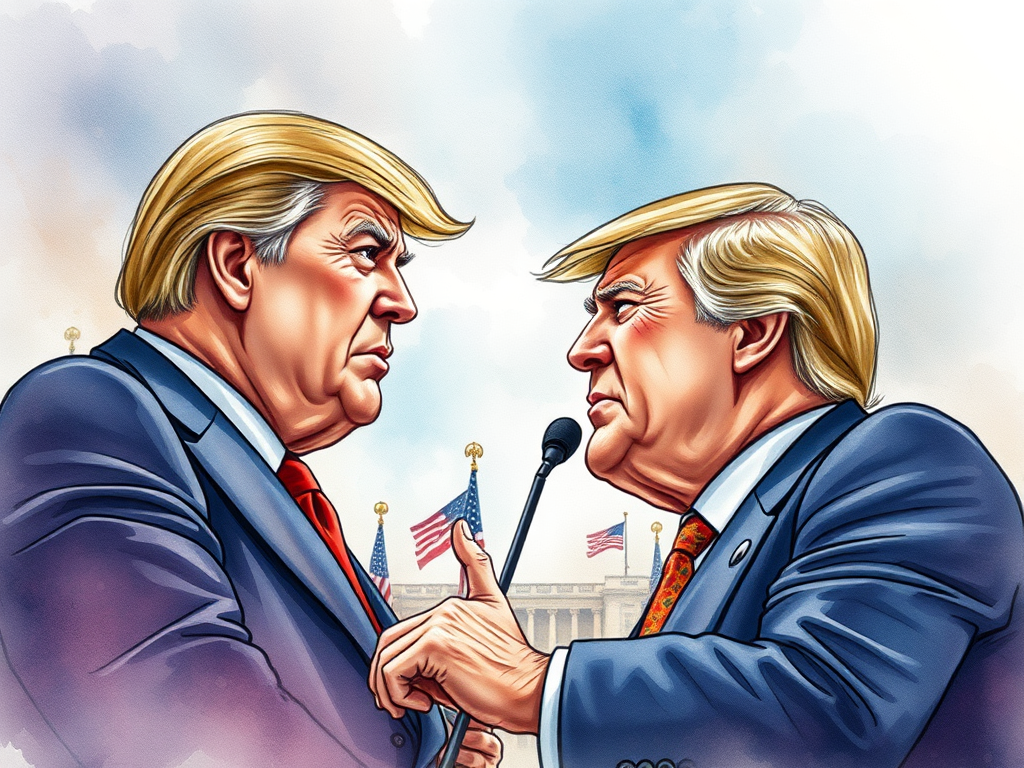
Looking ahead, it’s clear that social media is here to stay in the political landscape. Its influence will continue to shape campaigns, policies, and public discourse in novel and unpredictable ways. It’s a brave new world for politics, one where the power of a tweet or a post can change the course of history.