Transforming Politics: The Powerful Role of Social Media in Modern Political Discourse
Understanding the Impact of Social Media on Politics
Social media has become an integral part of our daily lives, shaping the way we communicate, learn, and form opinions.
Recently, it has made a significant impact on the political landscape, influencing voter behavior, campaign strategies, and public discourse around policy issues.
This article explores the changing dynamics in politics as a result of the growing influence of social media.
In previous times, politicians relied primarily on traditional media outlets – television, newspapers, and radio – to convey their messages to the public. However, with the advent of social media platforms, politicians have been able to reach and engage with a much larger audience, creating a more direct line of communication with voters.
This direct access allows politicians to share their views, campaign promises, and political stances without the filter of traditional media.
One of the key impacts of social media on politics is its role in mobilization. Platforms like Twitter, Facebook, and Instagram have become essential tools for rallying supporters, organizing events, and spreading political messages.
They have proven to be significant platforms for grassroots movements, allowing individuals and groups to voice their concerns, rally support, and even organize protests or demonstrations.
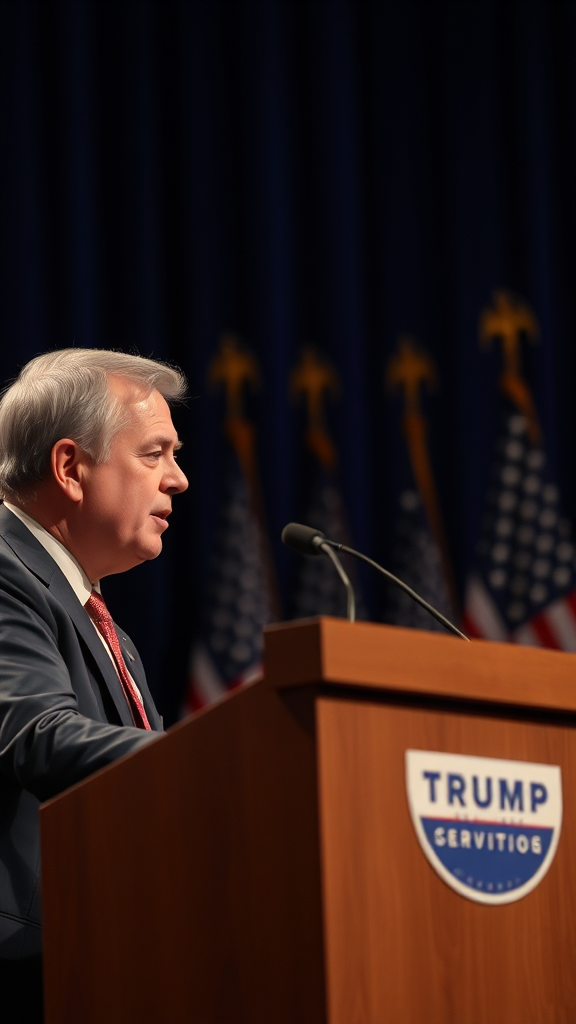
This ability to mobilize the masses has been instrumental in shaping political narratives and influencing policy decisions.
On the other hand, the influence of social media in politics is not without its drawbacks. The proliferation of fake news and misinformation has become a major concern. In the absence of stringent fact-checking mechanisms, unverified information can quickly go viral, skewing public opinion and potentially influencing the outcome of elections.
This has brought to the fore the need for digital literacy and robust fact-checking mechanisms.
There’s also the issue of echo chambers. Social media algorithms are designed to show users content that aligns with their beliefs and interests, creating what is known as an ‘echo chamber’.
In a political context, this means that users are often exposed to a one-sided view of political issues, reinforcing their existing beliefs and polarizing political discourse.
Moreover, the use of data analytics in social media campaigning has raised privacy concerns. The collection and analysis of user data can be used to target specific demographics with personalized political ads, raising questions about user privacy and data security.
Despite these challenges, there’s no denying that social media has changed the face of politics, democratizing political discourse and enabling increased citizen participation. It has given ordinary citizens a voice, providing a platform where they can engage in political discussions, voice their opinions, and hold their leaders accountable.
To maximize the benefits of social media in politics, it’s essential to promote digital literacy, implement robust fact-checking mechanisms, and ensure data privacy. Only then can the true potential of social media as a tool for political discourse and engagement be harnessed.
As we continue to navigate the digital age, the influence of social media on politics will undoubtedly continue to evolve. With its ability to reach vast audiences and facilitate real-time communication, social media is poised to play an even larger role in shaping political landscapes, facilitating citizen engagement, and driving political change.