Primary suggestion:
The rise of synthetic media and manipulated audio-video has changed the landscape of political communication. As digital tools make it easier to create convincing fakes, democracies face a test: how to protect election integrity, preserve public trust, and keep discourse grounded in verifiable facts.
Why synthetic media matters
Manipulated media can erode trust in institutions and public figures, amplify fringe narratives, and distort news cycles. Even when false content is quickly debunked, the initial impression can spread widely and shape opinions. That asymmetric effect—where lies travel faster and linger longer than corrections—makes this a strategic issue for political actors and civic institutions alike.
Where threats concentrate
– Election periods and high-profile events attract the most manipulation, but everyday politics is also affected as misinformation becomes a routine tactic.
– Local races and community debates are particularly vulnerable because local outlets often lack resources for rapid verification.
– Foreign and domestic actors can use synthetic media to inflame divisions, suppress turnout, or create confusion about candidates and policies.
What policymakers and platforms can do
– Transparency and provenance: Require clear labeling and provenance metadata for edited or synthetic content so consumers and platforms can trace origin and alterations.
– Robust verification tools: Invest in digital watermarking and authentication standards that allow legitimate creators to distinguish their work from manipulated versions.
– Platform accountability: Encourage platform policies that prioritize rapid detection, contextualization, and removal of harmful manipulated media while safeguarding legitimate political expression. Independent audits of platform moderation can build public confidence.
– Support for local journalism: Fund verification centers and rapid-response fact-checking teams focused on local news ecosystems to close the resource gap that leaves communities exposed.
What voters and civic groups can do
– Raise digital literacy: Teach people simple verification habits—pause before sharing, check multiple reputable sources, and look for original uploads or official channels.
– Promote trusted channels: Civic groups and candidates should publish clear archives of speeches, statements, and policy positions so voters can compare claims to original sources.
– Crowd-sourced verification: Encourage community reporting mechanisms that surface suspicious media for professional review rather than letting questionable content spread unchecked.
Technology solutions and limits
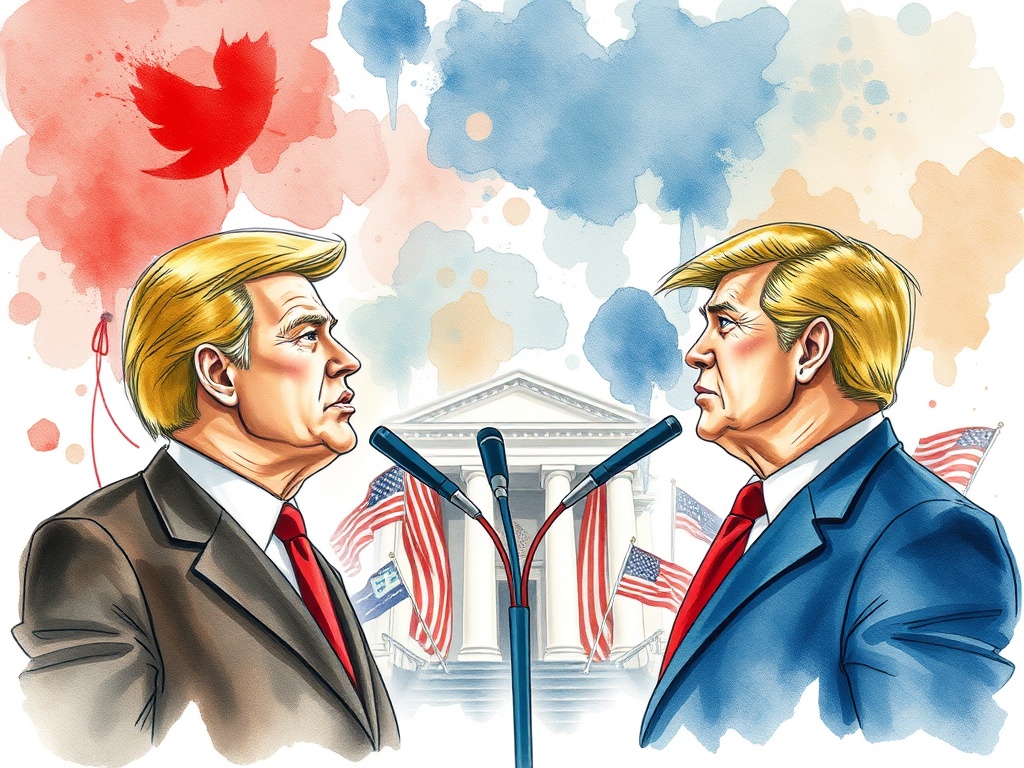
Technical tools like watermarking, cryptographic signing, and content provenance systems can significantly reduce the impact of synthetic media, especially when widely adopted by major platforms and newsrooms. However, technology alone is not a silver bullet: malicious actors will adapt, and legal protections for speech require careful balancing against censorship risks.
Legal and international cooperation
National frameworks can set minimum standards for disclosure and penalties for malicious manipulation tied to fraud or deliberate disruption.
International cooperation is crucial because manipulated content can flow across borders quickly; shared standards for provenance and joint rapid-response mechanisms can limit cross-border harm.
Looking ahead
The contest over truth in politics will be shaped by how quickly institutions, platforms, and citizens align around practices that restore provenance, elevate verified information, and build resilience against manipulation. Practical steps—stronger transparency rules, better verification tools, and a culture of cautious sharing—can blunt the worst effects of synthetic media and help preserve the integrity of democratic debate.