Political Polarization: Causes, Consequences, and Practical Strategies to Rebuild Trust in Democracy
Political polarization is reshaping how citizens interact with government, media, and one another.
Currently, many democracies face deep divides that make compromise harder, erode trust in institutions, and increase social friction.
Understanding the drivers of polarization and practical strategies to rebuild shared ground can help restore healthier political conversation and more effective governance.
Why polarization intensifies
– Media fragmentation: Audiences can now choose news that reinforces preexisting views. Algorithm-driven feeds amplify sensational content, which rewards outrage and sharpens partisan identities.
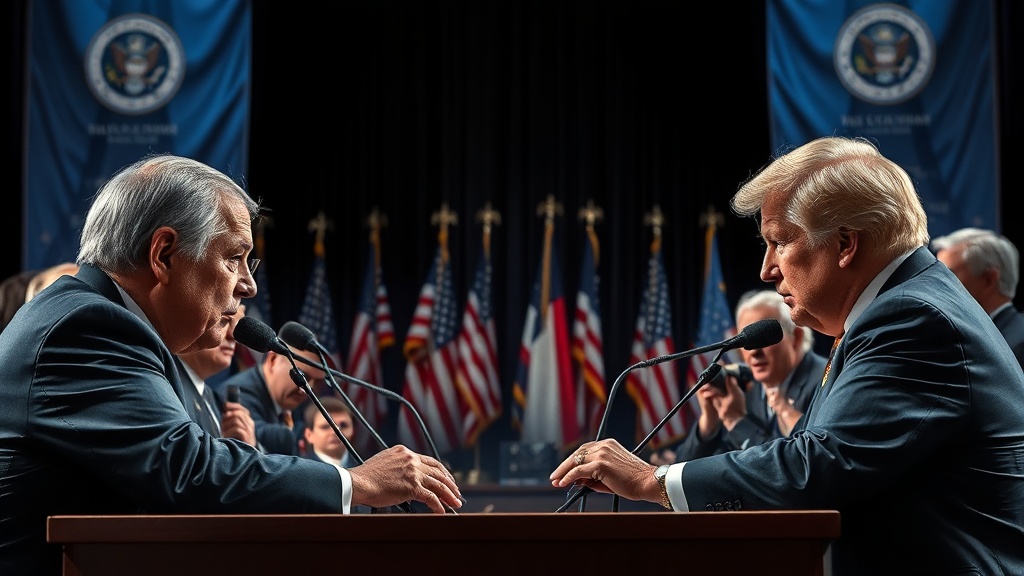
– Social identity and sorting: People increasingly live, work, and socialize with like-minded peers. Political beliefs become tied to cultural identities, making disagreement feel personal rather than civic.
– Institutional incentives: Winner-take-all electoral systems, gerrymandering, and primary dynamics often reward extreme candidates while sidelining moderates who could bridge divides.
– Economic and demographic shifts: Uneven economic change and rapid demographic transitions create uncertainty, which politics can exploit.
Consequences for democracy
High polarization undermines policy stability and weakens institutions. Legislatures struggle to pass meaningful reform, trust in public health and science can decline, and civic norms—like accepting election results—become fragile. When compromise is viewed as betrayal, long-term planning suffers and governance becomes reactive rather than strategic.
Practical ways to reduce polarization
– Strengthen civic education: Teaching critical thinking, media literacy, and the mechanics of government equips citizens to engage more thoughtfully.
Civic curricula that emphasize constructive discussion and common-interest problem solving reduce susceptibility to simple narratives.
– Promote electoral reforms: Systems such as ranked-choice voting, independent redistricting commissions, and easier ballot access encourage competition on ideas rather than purity tests. These reforms can incentivize coalition-building and reduce the influence of extreme fringes.
– Support local journalism: Local outlets cover everyday issues that citizens share, from schools to infrastructure. A thriving local press creates common information ecosystems and reduces reliance on nationalized, partisan narratives.
– Encourage cross-cutting interactions: Programs that bring together people from different communities—through forums, town halls, or facilitated dialogue—help humanize opponents and expose participants to diverse perspectives without immediate pressure to agree.
– Regulate platform incentives: Policy options that promote algorithmic transparency, reduce amplification of misinformation, and foster content diversity can make online spaces less polarizing without curtailing free expression.
– Increase campaign finance transparency: Clear disclosure rules and limits on dark money reduce distrust about who is influencing policy and keep public debate focused on arguments rather than hidden interests.
What individuals can do
– Diversify information diets: Follow a mix of local reporting, fact-checking organizations, and outlets from across the political spectrum. Seek source transparency and prefer long-form analysis over social snippets.
– Practice deliberative habits: Ask questions rather than assume motives. Prioritize understanding the values behind someone’s viewpoint. Use structured discussion techniques—like listening without interrupting—to keep conversations productive.
– Engage locally: Volunteering for community projects, attending local meetings, or simply supporting neighborhood initiatives builds relationships that transcend partisan lines.
Polarization is a complex challenge, but it’s not immutable. Policies that change incentives, institutions that restore trust, and everyday civic habits that prioritize listening and evidence can all pull politics back toward pragmatic problem solving. Small, consistent actions—especially at the local level—create the groundwork for broader renewal and more resilient democratic life.