Maximizing the Power of Digital Campaigns in Modern Politics: The Future of Voter Engagement
The world of politics is a dynamic realm that continues to evolve and adapt to the changing times.
As technology grows, so does its influence in every facet of our lives, including political campaigns. Today, digital campaigns are a crucial aspect of any political play, marking a stark deviation from traditional door-to-door canvassing and town-hall gatherings. Politicians are embracing the digital world and harnessing its power to connect with voters.
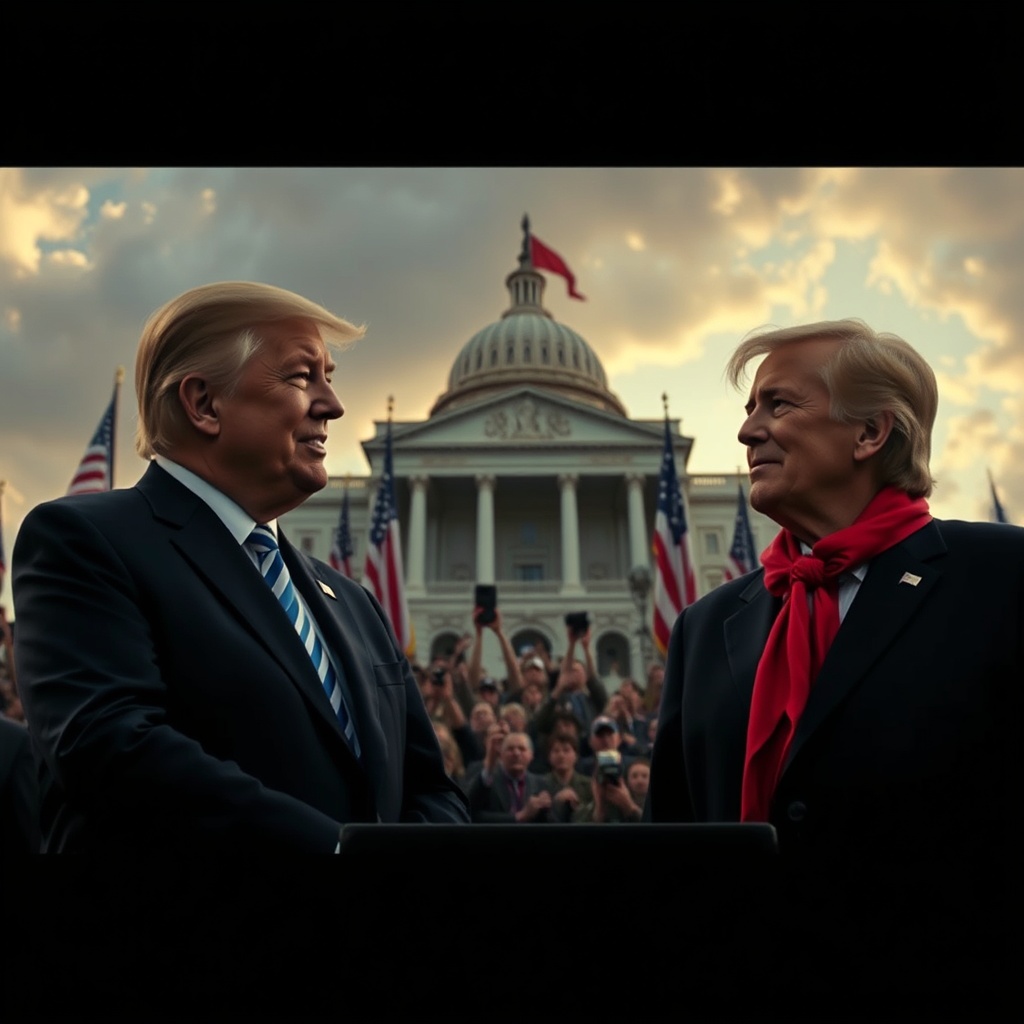
Digital campaigns have become instrumental in the political sphere, shaping public opinion, and fostering voter engagement. They offer a platform to disseminate information, dispel misinformation, and provide the electorate with a real-time understanding of the political landscape.
Social media platforms, for instance, are at the forefront of this digital revolution. From Facebook and Twitter to Instagram and Snapchat, politicians are investing time and resources into creating a massive and influential online presence. These platforms allow politicians to communicate their policies directly to voters, bypassing traditional media outlets and offering a more personalized and immediate interaction. Moreover, it opens the path to targeted advertising, enabling politicians to tailor their message to specific demographics, regions, or interests, significantly boosting the efficiency of their campaign.
But it’s not just about social media. Other digital assets such as official campaign websites, email newsletters, and online webinars play a key role in the dissemination of a candidate’s message. They serve as a hub for supporters, volunteers, and donors, providing them with comprehensive details about a candidate’s platform, update on campaign events, and avenues for contribution.
Digital campaigns also provide invaluable data analytics.
Through online engagement metrics, politicians can gauge the pulse of the electorate, identify popular issues, and realign their campaign strategy accordingly. In this sense, the digital sphere becomes not just a platform for communication, but a vital tool for decision-making and strategy formulation.
However, the shift toward digital campaigning is not without its challenges. The rise of fake news and misinformation, privacy concerns, and the potential for online harassment are all issues that need to be addressed. These challenges have prompted governments worldwide to regulate digital political advertising, implement stricter data privacy laws, and introduce measures against online harassment.
While digital campaigns have undoubtedly taken centre stage in modern politics, the importance of traditional campaigning cannot be entirely discounted.
Face-to-face interaction, public speeches, and town halls still hold their own charm and effectiveness.
They offer a tangible, personal connection that digital platforms, despite their convenience and reach, might not fully replicate.
Today’s political landscape is an exciting blend of the old and the new, of tradition and innovation. Digital campaigns, with their wide reach and real-time engagement, have become an essential tool for politicians.
However, they should be viewed as a complement, not a replacement, of traditional campaigning methods. The balance between the two is the key to truly connect with voters and make a lasting impact in the political arena.
Rest assured, the evolution of political campaigns will continue to unfold in the years to come, and it’s going to be a fascinating journey to witness.