How to Tour the White House: Complete Guide to Requests, Security, Accessibility & Visit Tips
Visiting the White House is a unique way to connect with the country’s executive history, but planning a successful trip means understanding access rules, security procedures, and what to expect once you arrive.
This guide covers practical steps and helpful tips for anyone hoping to tour the White House or attend a public event on the grounds.
How to request a tour
– Domestic visitors: Most public tours are arranged through the office of your Member of Congress. Submit a request well in advance, as slots fill quickly and processing can take several weeks.
Provide full names, birthdates, and Social Security numbers for background screening if requested.
– International visitors: Contact your country’s embassy or consulate for guidance on arranging a visit; embassies typically coordinate tour requests with the appropriate offices.
– Special programs and public events sometimes use separate registration or lottery systems, so check official channels for the latest instructions.
Security and entry requirements
– Expect a thorough security screening overseen by the Secret Service. Photographic ID is required for all adult visitors.
– Policies on bags and personal items are strict; many tours prohibit bags, strollers, food, and large electronics. Check current rules before you arrive to avoid being turned away.
– Prohibited items commonly include weapons, drones, tobacco products, and certain recording devices.
Follow signage and staff directions at all times.
What you’ll see on a tour
– Tours typically cover selected public rooms and provide a close-up look at the Executive Residence and historical interiors. Rooms frequently included are the State Dining Room, East Room, and several formal parlors and halls, though the exact spaces may vary by security needs and official events.
– Guided commentary may be provided by staff or volunteers, and informational materials are often available. Photography rules vary by area; obey staff instructions about where photos are allowed.
Accessibility
– The White House offers accessibility accommodations for visitors with mobility, hearing, or visual needs.
Request assistance when you make your tour reservation so appropriate arrangements can be made.
– Ramps, elevators, and accessible restrooms are available in many areas, and staff will assist with entry and navigation as needed.
Public events and seasonal highlights
– Outside of standard tours, the White House hosts high-profile public events and traditions that draw large crowds.
Some events have ticketing or lottery systems, and many are announced through official channels.
– The grounds, including the Rose Garden and South Lawn, are focal points for ceremonies, seasonal decorations, and family-focused activities. Nearby public parks and viewpoints offer photo opportunities if access to the grounds is limited.
Tips for a smooth visit
– Confirm your tour time and entry instructions a few days in advance and arrive early. Late arrivals may not be admitted.
– Dress comfortably but respectfully; remember that you’ll be inside a working government residence and may walk across historic floors and carpets.
– Combine your visit with nearby attractions—museums, memorials, and walking tours of the capital are typically within easy reach.
– Use official websites and your Member of Congress’s office as primary information sources to avoid outdated or incorrect guidance.
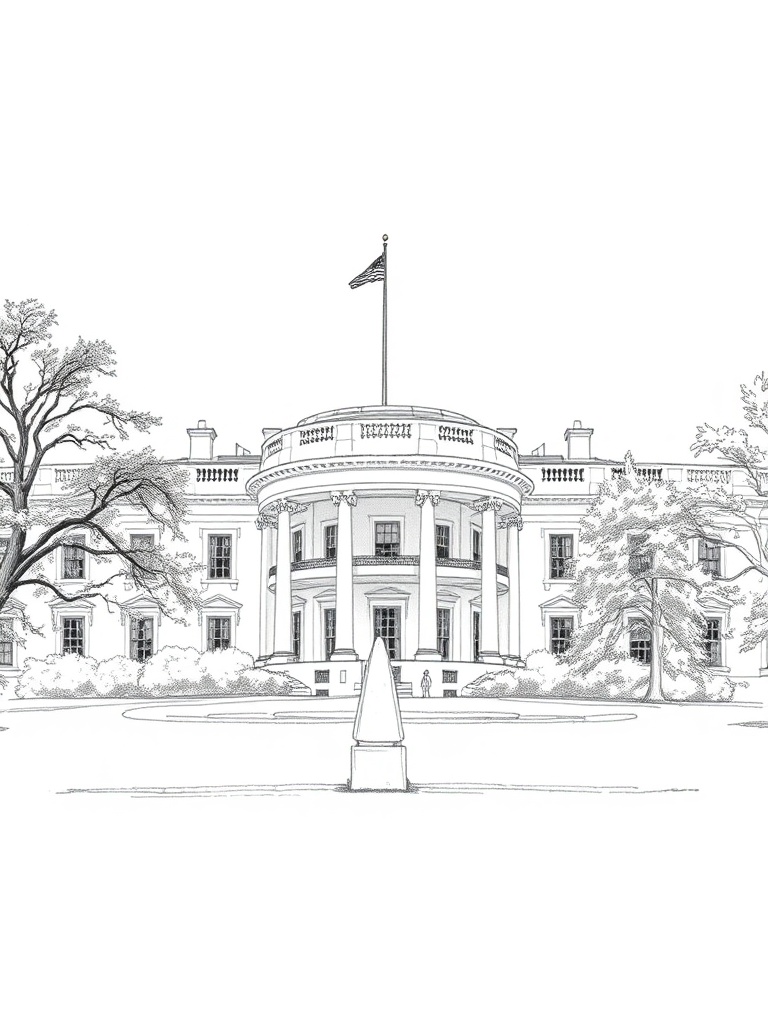
Whether you’re a first-time visitor or planning a return trip, being prepared makes the experience more enjoyable.
Advance planning, awareness of security protocols, and respect for the site’s historical and civic significance are the keys to a memorable White House visit.