How to Reduce Political Polarization: Reforms, Media & Civic Action
Political polarization is one of the most pressing challenges shaping civic life today. When citizens retreat into partisan bubbles, governance stalls, trust erodes, and social cohesion frays.
Addressing polarization requires practical reforms, smarter media habits, and everyday civic engagement that rebuilds shared public ground.
Why polarization matters
Polarization affects policy outcomes, civic cooperation, and public trust. Polarized electorates elect more ideologically extreme candidates, reduce willingness to compromise, and widen the gap between different communities. That makes it harder to pass durable policy solutions on issues like infrastructure, healthcare, and climate resilience.
Policy reforms that reduce incentives for division
– Electoral redesign: Systems such as ranked-choice voting can reduce the “winner-take-all” pressure that drives polarizing campaigning.
By enabling voters to rank preferences, candidates are encouraged to reach beyond a narrow base to appeal to broader coalitions.
– Independent redistricting: Removing map-drawing from overt partisan control and handing it to neutral commissions can limit gerrymandering. Fairer districts tend to produce more competitive elections and moderate representation.
– Campaign finance transparency: Strong disclosure requirements and limits on dark money reduce the influence of outside funding that often rewards hyper-partisan messaging. Transparency makes it easier for voters to see who is backing candidates and why.
Strengthening civic institutions and norms
– Local governance matters: Community-level engagement—serving on boards, attending council meetings, and voting in local elections—builds trust and produces problem-solving that crosses partisan lines.
Local officials often focus on practical issues that unite residents.
– Nonpartisan civic spaces: Deliberative forums, citizen juries, and community dialogues create structured environments where people deliberate on public problems. These formats encourage listening and evidence-based decision-making over partisan grandstanding.
– Civics education and media literacy: Teaching how government works, how to evaluate sources, and how to spot misinformation empowers voters to participate constructively. Media literacy reduces the spread of sensationalist content that fuels division.
Media ecosystems and individual habits
Digital platforms have amplified extreme voices but also offer potential for broader exposure. Practical steps include:
– Diversifying information sources: Regularly consulting outlets with different editorial perspectives reduces confirmation bias and leads to a more nuanced understanding of issues.
– Supporting quality journalism: Subscribing to reputable local and national outlets helps sustain investigative reporting and fact-checking.
– Slowing down before sharing: Pausing to verify headlines and sources interrupts the rapid spread of misleading content.
Practical actions for citizens
– Vote in every election, including local contests that shape day-to-day policy.
– Participate in community initiatives that bring together neighbors across differences.
– Hold officials accountable for transparency and responsiveness rather than partisan loyalty.
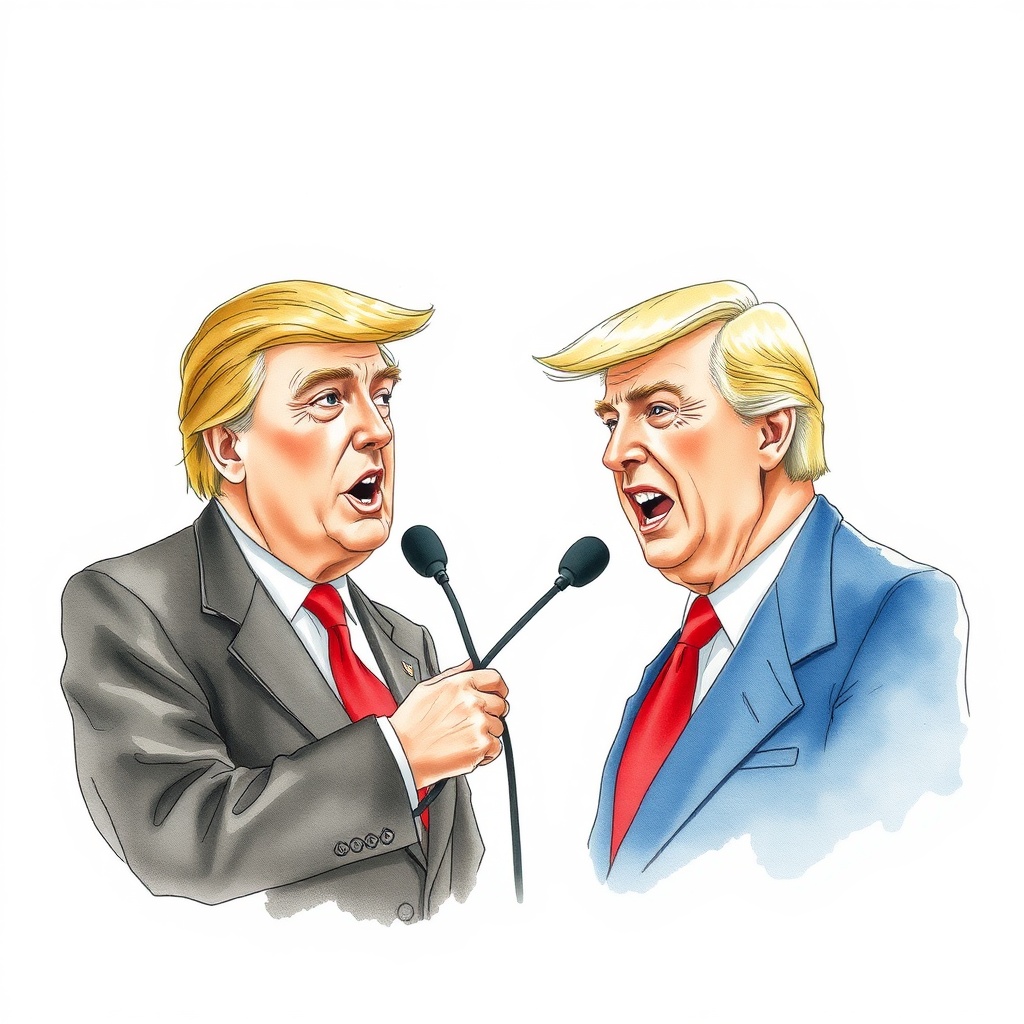
– Engage respectfully online: Model civil discourse by focusing on facts and common ground.
Where progress can come from
Meaningful progress happens when policy, institutions, and everyday behavior align. Electoral and transparency reforms change the incentives politicians face, while stronger civic education and local involvement nurture a culture of cooperation. Media habits and platform accountability shape how information flows through society.
A healthier political landscape starts with decisions at every level: systemic reforms to make governance more fair, and everyday choices by citizens to seek information, meet across divides, and prioritize long-term problem-solving over short-term partisan wins. Those combined efforts create space for durable, pragmatic solutions that strengthen democratic life.