How to Counter Political Polarization: Practical Steps to Strengthen Democratic Life
Polarization and the Practical Steps That Strengthen Democratic Life
Political polarization is a defining feature of many democracies currently. When citizens, parties, and institutions move into separate information ecosystems and interpret facts through opposing lenses, the result is not only loud debates but also gridlock, weakened trust in institutions, and an erosion of norms that keep politics functional. Understanding the forces driving polarization and taking concrete steps to counteract its harms can help communities preserve healthy civic life.
What’s driving polarization
– Media fragmentation: A more fragmented media environment means people select outlets that align with their beliefs, reinforcing existing views rather than challenging them. Algorithms prioritize engagement, which often rewards outrage and simplification over nuance.
– Social networks: Online networks amplify sensational claims and make it easy to circulate misinformation. Echo chambers form when users interact mostly with like-minded peers.
– Political incentives: Polarized party systems can reward extreme positions. When winning primaries or mobilizing a base matters more than appealing to a broad electorate, politicians have incentives to adopt sharper rhetorical lines.
– Structural factors: Gerrymandering, campaign finance disparities, and winner-take-all electoral rules can entrench partisan advantage and reduce incentives for compromise.
Consequences for governance and civic life
Polarization affects how public problems get solved. Policy debates become zero-sum, making bipartisan cooperation rare. Institutions that rely on mutual trust—courts, electoral authorities, and legislatures—face pressure when partisans view them as weapons rather than neutral arbiters. Lower trust also depresses civic engagement and can deepen social divides around identity and place.
Practical steps to reduce harms and rebuild civic capacity
– Diversify information sources: Actively seek reporting and analysis from a range of outlets, including local news. Exposure to multiple perspectives reduces the likelihood of misperception and improves problem-solving.
– Strengthen local institutions: Civic life often thrives at the local level. Participating in school boards, town halls, neighborhood associations, and civic groups encourages cross-cutting relationships and practical collaboration.
– Promote media literacy: Teach and practice techniques for evaluating claims—check primary sources, look for corroboration, and be wary of emotionally loaded headlines. Tools that flag manipulation and provide context also help.
– Support fair rules: Advocate for electoral reforms that enhance competitiveness and representation, such as independent redistricting commissions, ranked-choice voting where applicable, and stronger transparency in campaign finance.
– Encourage deliberative spaces: Create and join forums designed for structured, respectful conversation among people with different views.
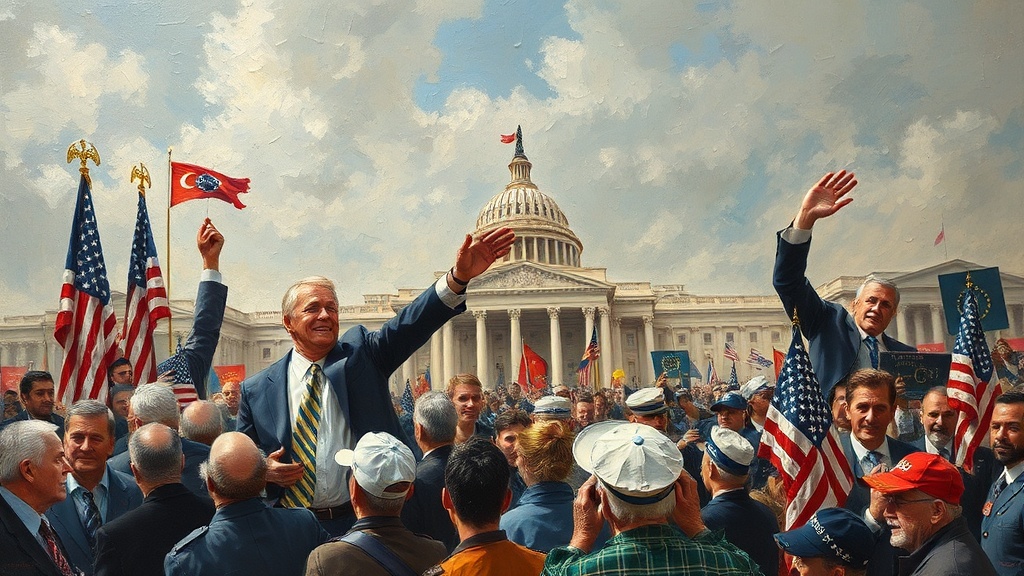
Deliberative processes produce better-informed judgments and reduce stereotyping.
– Hold leaders accountable to norms: Voters and institutions can insist that elected officials respect procedural norms and independent institutions. Civic pressure matters and can reinforce standards of conduct.
Why local action matters
National headlines often dominate, but many remedies to polarization begin in communities. Cross-partisan friendships, neighborhood problem solving, and locally rooted media create social capital that makes democratic cooperation feasible.
When people experience the benefits of working together on shared problems, it weakens incentives for zero-sum politics.
Political polarization is a complex, multifaceted challenge, yet it is not immutable.
By combining individual habits—seeking diverse information, practicing media literacy—with institutional reforms and local civic engagement, communities can reduce the corrosive effects of polarization and strengthen democratic governance for the long term.