How to Bridge Political Polarization: Practical, Proven Steps for Communities
How to Bridge Political Polarization: Practical Steps That Work
Political polarization erodes trust, slows policymaking, and makes community life harder. While large-scale forces—media ecosystems, economic shifts, and identity politics—fuel division, there are practical, scalable steps communities, institutions, and individuals can take to reduce rancor and rebuild civic cooperation.
Understand the drivers of division
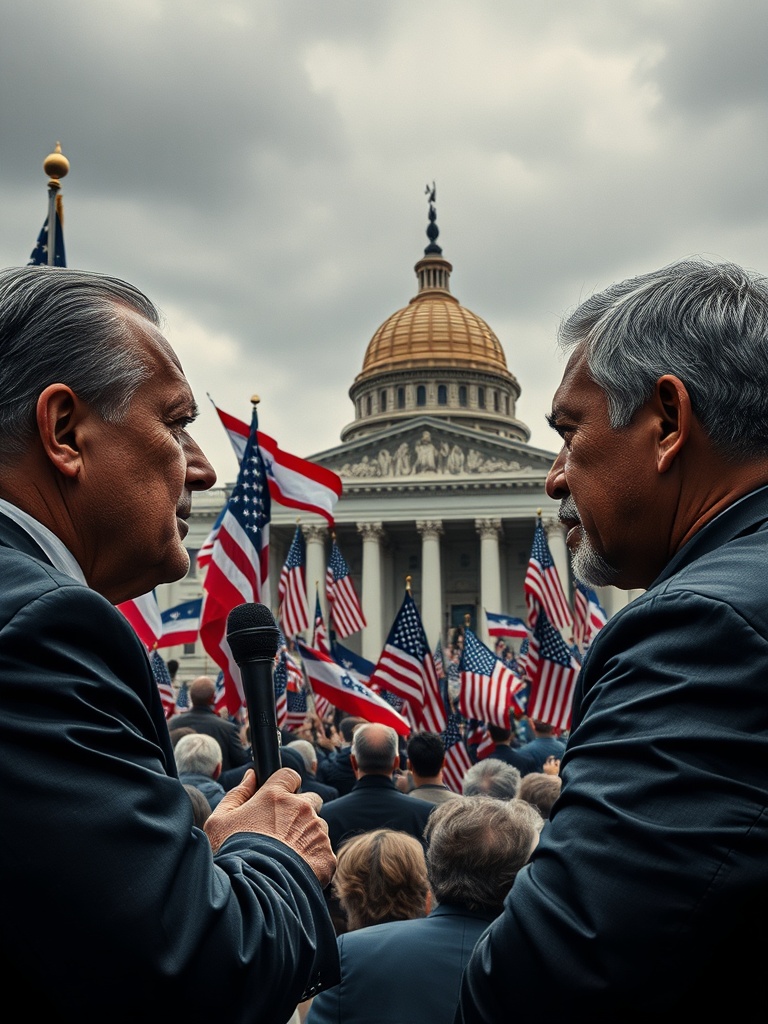
Polarization isn’t just about disagreement. It’s driven by information silos, emotional incentives that reward outrage, economic anxiety, and social networks that reinforce prior beliefs.
Recognizing these mechanics helps turn frustration into strategy: moving from debate that seeks to win to dialogue that seeks to understand.
Promote media literacy and information hygiene
Misinformation spreads when people lack tools to evaluate sources. Civic leaders and educators can prioritize media literacy programs that teach how to verify sources, detect bias, and recognize deepfakes and manipulated content.
News outlets can adopt clearer labeling for opinion versus reporting and provide easy-to-use explainers for complex issues. For individuals, simple habits—checking multiple reputable outlets, reading beyond headlines, and pausing before sharing—reduce the viral momentum of misleading claims.
Encourage local, deliberative spaces
National debates are often theatrical; local forums are practical. Town halls, moderated community dialogues, and citizens’ assemblies bring neighbors together around shared problems—schools, public safety, zoning—so people see how tradeoffs work in practice. Structured deliberation techniques, like small-group discussion and facilitated question rounds, reduce performative posturing and foster nuanced understanding.
Reform electoral incentives
Electoral systems shape behavior. Where winner-take-all primaries incentivize ideological purity, alternative methods—ranked-choice voting, open primaries, or nonpartisan redistricting—can encourage candidates to appeal to broader constituencies. Transparency in campaign finance and stronger disclosure rules also reduce the influence of opaque money, making political competition about ideas rather than spending.
Build bipartisan policy labs
Policy labs staffed by experts and representatives from across the spectrum can create pragmatic solutions insulated from partisan signaling. By focusing on pilot programs with clear metrics—workforce training, public health initiatives, infrastructure upgrades—these labs demonstrate that compromise yields tangible benefits. Sharing data and rapid-cycle evaluations helps scale effective approaches while exposing ineffective ones to scrutiny.
Design incentives for constructive civic behavior
Social platforms and civic institutions can shift incentives away from outrage. Platforms can prioritize content that promotes context-rich reporting and community-source verification. Employers and civic groups can reward civic volunteering and cross-community projects, where cooperation produces visible local improvements.
Invest in civic education
Long-term resilience against polarization starts with education that emphasizes critical thinking, constitutional basics, and democratic norms.
Curricula that teach how government works, the role of compromise, and the value of civil discourse produce citizens more prepared to engage constructively.
Cultivate narrative shifts
Policy solutions matter, but stories move hearts. Highlighting examples where diverse groups solved problems together—neighborhood flood responses, community-run clinics, bipartisan legislative wins—builds a counter-narrative to doom-driven news cycles. Media, nonprofits, and local leaders can amplify these stories to change perceptions about what civic life can be.
Small actions add up
Reducing polarization is a cumulative process.
Individual behaviors—listening more, seeking common ground, verifying information before sharing—combine with institutional reforms to create more resilient civic spaces. Communities that prioritize dialogue, transparency, and shared problem-solving not only reduce rancor but also unlock better policymaking and stronger social bonds. Start locally, scale what works, and keep the focus on solutions that make everyday life better for everyone.