How to Boost Voter Turnout: Practical, Research-Backed Strategies for Communities
Boost Voter Turnout: Practical Strategies That Work
High voter turnout strengthens democracy, makes election outcomes more representative, and increases public confidence in government. Many communities face persistent gaps in participation, but a mix of modern outreach, convenience measures, and trust-building can move the needle. Here are practical, research-backed strategies election officials, community groups, and civic-minded businesses can use to boost turnout.
Understand the barriers
– Logistics: Long lines, limited polling locations, and restrictive hours discourage participation.
– Information gaps: Voters may not know registration deadlines, polling places, or how to cast different ballot types.
– Trust and misinformation: Confusion about security or false claims erode confidence.
– Accessibility: Physical, language, and digital barriers block communities that need extra support.
– Motivation: Voter apathy or the sense that a single vote won’t matter reduces engagement.
Make registration and voting easier
– Same-day and automatic registration: Where permitted, same-day registration and automatic registration at public agencies significantly expand the voter base.
– Prepaid mail ballots and secure drop boxes: Offering multiple ways to return ballots increases convenience and reduces lengthy lines on election day.
– Early voting windows: Extended early voting helps those with inflexible work schedules, caregiving duties, or transportation constraints.
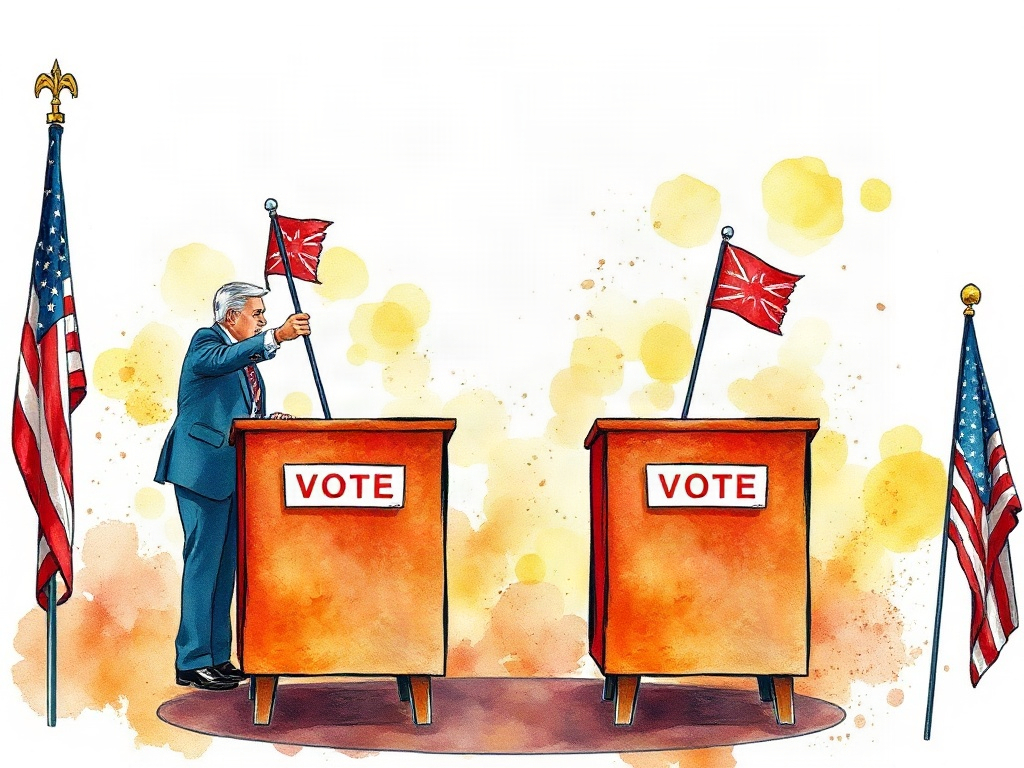
– Mobile and pop-up registration drives: Bring registration to community centers, colleges, and workplaces to reach infrequent voters.
Communicate clearly and often
– Simple, timely information: Use plain language to explain how, when, and where to vote. Short videos and infographics perform well on social platforms.
– Multi-channel outreach: Combine email, SMS, social media, direct mail, and community radio to reach different demographics.
– Local messengers: Trusted community leaders, faith groups, and neighborhood associations can motivate participation more effectively than generic appeals.
Build trust through transparency and security
– Open communication about procedures: Explain ballot chain-of-custody, auditing processes, and measures taken to ensure accuracy. Transparency reduces suspicion.
– Public demonstrations and tours: Allowing community members to observe counting centers or post-election audits can demystify the process.
– Clear responses to misinformation: Rapid, factual rebuttals from trusted local sources prevent false narratives from spreading.
Make voting accessible and inclusive
– Language access and ADA compliance: Provide translated materials and accessible polling equipment to ensure everyone can exercise the right to vote.
– Targeted outreach to underrepresented groups: Tailor messaging and logistics for young voters, renters, those with limited English proficiency, and people with disabilities.
– Transportation solutions: Free or subsidized rides to polls, neighborhood carpool programs, and mobile voting units remove a major hurdle.
Leverage data ethically
– Microtargeted outreach: Aggregated, privacy-respecting data can identify low-propensity voters and inform outreach timing and messaging.
– Measure what matters: Track registration conversions, ballot return rates, and turnout changes to refine strategies for future cycles.
Encourage civic habit formation
– Ongoing engagement: Civic education, reminder programs, and year-round communication help make voting a regular habit rather than an occasional task.
– Employer and community incentives: Paid time off to vote, on-site registration events, and community pledges increase participation.
Increasing turnout is a practical mix of removing friction, building trust, and motivating people where they live and work. Small policy changes and targeted outreach add up, turning otherwise disengaged citizens into active participants in the democratic process.