How State Politics Now Shapes National Outcomes — What Voters Need to Know and Do
State-level politics has moved from the background to the foreground of national debate. Policies once debated primarily in Congress are increasingly decided at the statehouse, shaping everyday life on issues from voting access and reproductive health to climate rules and tech regulation. Understanding this shift is essential for anyone who wants to influence public policy or simply stay informed.
How state action drives national results
– Policy laboratories: States test approaches on complicated problems.
Successful experiments often spread to other states or inform federal legislation. That dynamic speeds innovation but also produces patchwork rules that differ sharply across state lines.
– Legal battlegrounds: State laws frequently end up before the high court or influence national litigation strategies. When courts weigh state statutes, the national legal landscape can change quickly.
– Electoral impact: State redistricting, voting rules, and administration of elections shape who can vote and how easily. That affects turnout, representation, and which ideas gain momentum at the national level.
– Regulatory competition: Businesses respond to state-level rules on taxes, labor, and environmental standards. Companies often relocate or adapt operations based on the policy climate, amplifying state-level choices into economic shifts.
Key issue areas decided at the state level
– Voting and elections: Rules about mail ballots, ID requirements, registration, and early voting vary by state and influence voter participation. Administrative changes at the local level, like polling place consolidation or voting-machine procurement, can have outsized effects.
– Reproductive health: Access to care, licensing, and insurance coverage are largely regulated by states. That creates stark regional differences in available services and how providers operate.
– Climate and energy: States set renewable energy mandates, building codes, and emissions limits. State incentives and grid policies determine how quickly clean energy is deployed and how communities adapt to extreme weather.
– Technology and privacy: With limited federal regulation, states are moving faster to set privacy standards, consumer protections, and rules for emerging tech like facial recognition.
– Public safety and policing: State legislatures and governors shape law enforcement funding, oversight, and criminal justice reforms, often reflecting local priorities and concerns.
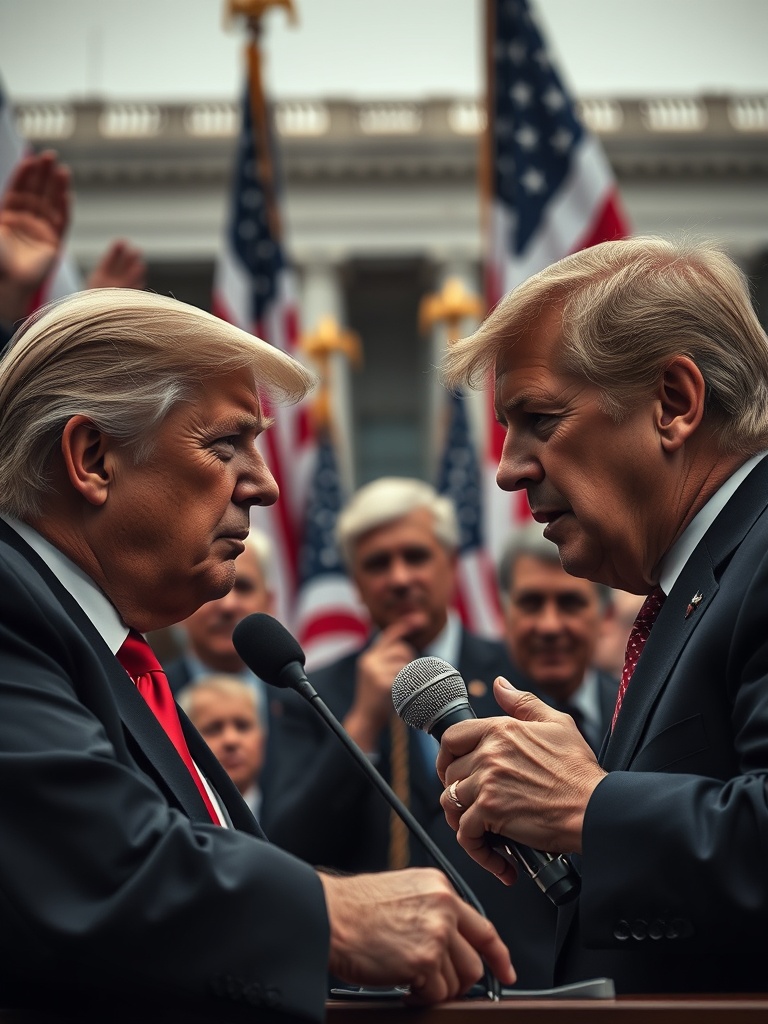
Why this matters for civic engagement
State politics offers tangible levers for change. Local offices—state legislators, secretaries of state, and county election boards—manage many of the policies that affect daily life. Yet voter attention and turnout are often lower in state and local races than national contests, which tilts power toward those who consistently participate.
Practical steps for influence
– Start local: Know who represents you in the state legislature and follow their agendas.
– Watch ballot initiatives: Direct democracy tools can create or overturn major policy quickly; petitions and signatures matter.
– Participate in rulemaking: Many state agencies accept public comment on regulations before they’re finalized.
– Support local journalism and civic groups: They translate complex state policy into accessible information and hold power accountable.
– Vote in every election: State and local races determine how policies get implemented and enforced.
State politics affects everyday life more than many realize. Paying attention to local offices, attending meetings, and voting consistently are practical ways to shape outcomes that ripple up to the national stage. Stay informed, engage where decisions are made, and treat state politics as the frontline for policy change.