How Political Polarization Shapes Policy — and 6 Practical Reforms to Bridge the Divide
How Political Polarization Shapes Policy — and What Can Reduce the Divide
Political polarization affects how decisions get made, how institutions function, and how citizens experience democracy. As partisan identities harden, the incentives that drive elected officials and voters shift away from compromise and toward signaling loyalty. That dynamic has clear consequences for policymaking, but it also suggests practical steps to reduce gridlock and restore responsive governance.
Why polarization matters
Polarization increases the cost of cooperation. When crossing party lines risks primary challenges, loss of committee assignments, or social ostracism, lawmakers are less likely to craft bipartisan solutions. That can produce legislative stalemates on issues that require long-term planning, weaken oversight, and push high-stakes disputes into courts or executive orders.
For citizens, polarization often means policies swing dramatically when control changes hands, undermining predictability for businesses, schools, and communities.
How it distorts priorities
Polarized environments favor headline-grabbing conflict over incremental problem-solving. Policy debates become zero-sum contests where compromise is portrayed as betrayal. This dynamic amplifies short-term politicking—messaging, fundraising, and scoring points—at the expense of complex policy development. Important cross-cutting challenges such as infrastructure, public health, and climate adaptation suffer when incentives reward partisan advantage more than effective outcomes.
Drivers of the divide
A mix of structural and social forces fuels polarization. Electoral rules that encourage safe, ideologically extreme primaries, gerrymandered districts, and winner-take-all voting systems all contribute. Media fragmentation and algorithm-driven echo chambers reinforce selective exposure to information. Social sorting—where people’s political, economic, and cultural identities overlap—deepens distrust across groups and turns policy disputes into identity conflicts.
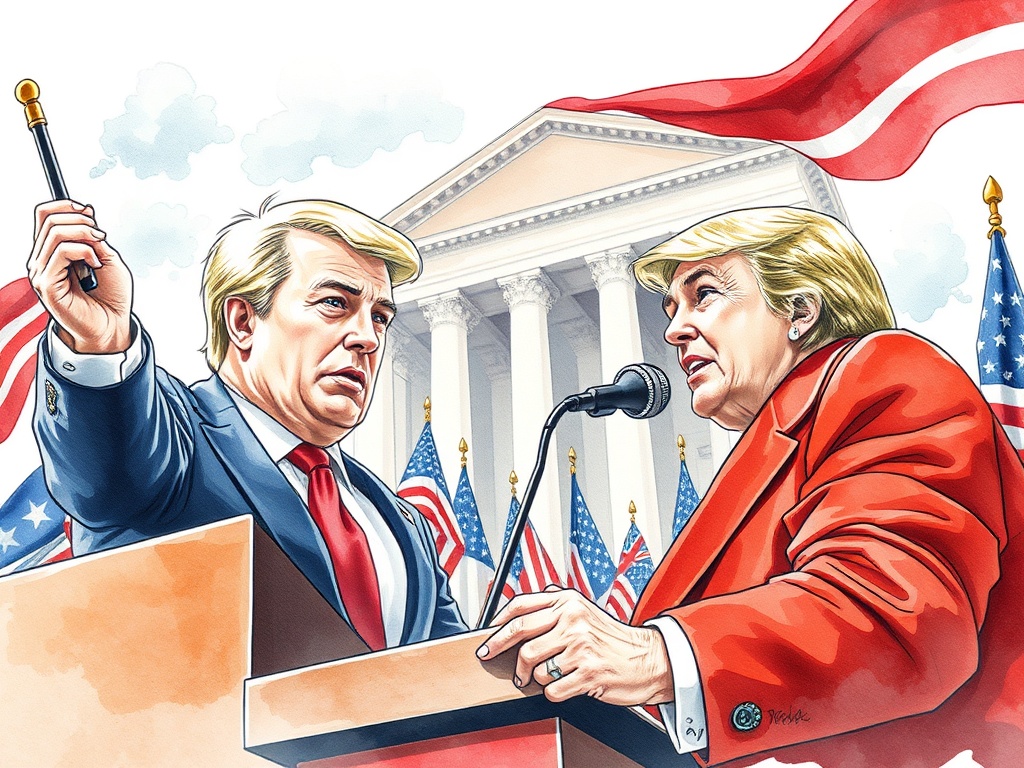
Practical reforms to improve governance
– Electoral changes: Voting systems like ranked-choice voting and multi-member districts can reduce the pressure to cater to extremes by rewarding candidates who attract broader support. Independent redistricting commissions can limit partisan map-drawing and make more seats competitive.
– Institutional incentives: Strengthening bipartisan procedures—such as power-sharing committees or supermajority requirements for major changes—can encourage negotiation. Reforms to primary election rules that open participation to independent voters can moderate candidate selection.
– Local problem-solving: Many effective policies start at the local level, where cross-party collaboration is often easier. Promoting municipal and state-level innovation provides practical playgrounds for workable solutions that can scale.
– Civic and media literacy: Public education campaigns that teach critical thinking, source evaluation, and constructive civic engagement reduce the influence of polarizing misinformation. Encouraging media outlets to adopt transparent corrections and standards builds trust.
– Cross-cutting coalitions: Bringing together stakeholders from business, labor, faith communities, and nonpartisan experts creates shared incentives to solve specific problems.
Issue-based coalitions can shift debates away from identity-based standoffs.
What citizens can do now
Engagement at the community level is a powerful corrective.
Attending town halls, supporting local candidates who prioritize pragmatic solutions, volunteering on cross-partisan initiatives, and holding representatives accountable for collaborative behavior all matter.
Voters can also support reforms like independent redistricting or alternative voting methods through local campaigns and ballot measures.
Polarization isn’t an inevitable destiny. Structural tweaks, cultural shifts toward deliberation, and targeted reforms can change incentives and open space for practical policymaking. Small, sustained choices by institutions and citizens together create the conditions for less fractious, more effective governance.