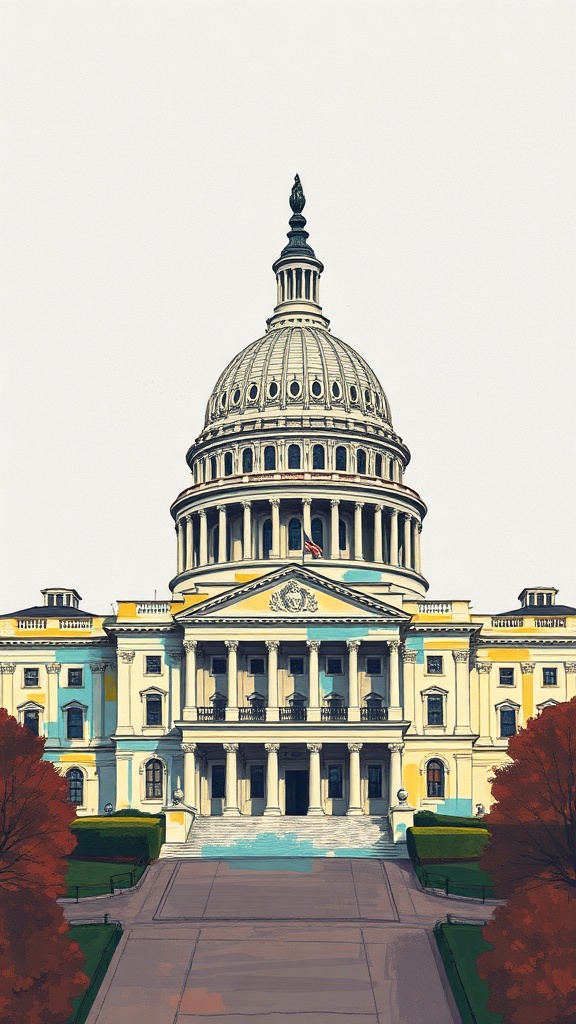
How Congressional Oversight Shapes Policy and Protects the Public: Tools, Challenges, and How Citizens Can Engage
How Congress Uses Oversight to Shape Policy and Protect the Public Interest
Congressional oversight is a core function that often operates out of the spotlight but has major effects on policy, accountability, and public trust. Oversight gives lawmakers the tools to check the executive branch, monitor federal programs, and surface information that shapes legislation and public debate. Understanding how oversight works helps citizens follow crucial developments and hold elected officials accountable.
What congressional oversight does
– Ensures federal agencies implement laws as intended
– Exposes waste, fraud, and abuse
– Informs new legislation and budget choices
– Protects civil liberties and national security through scrutiny of executive actions
– Provides transparency about the use of taxpayer dollars
Primary tools of oversight
– Hearings: Public and closed-door hearings allow members to question agency leaders, subject-matter experts, and private actors.
High-profile hearings can drive media coverage and public attention.
– Subpoenas: Committees can compel testimony and documents. Subpoenas are powerful but often trigger legal disputes over executive privilege or confidentiality.
– Reports and audits: Congress relies on nonpartisan bodies such as the Government Accountability Office and congressional budget and policy offices to produce audits, cost estimates, and performance reviews that ground oversight in evidence.
– Investigations: Prolonged inquiries can produce detailed reports that recommend reforms or inform criminal referrals to prosecutors.
– Confirmation and budget powers: Congress influences the executive branch through confirmation processes, appropriations, and programmatic language in spending bills.
– Inspector General referrals and whistleblower protections: These channels surface internal concerns and can prompt independent probes.
Challenges that shape oversight outcomes
– Partisan dynamics: Oversight can succeed when members work across the aisle; when partisan divisions are deep, inquiries may be framed as political rather than fact-finding, limiting cooperation.
– Classification and secrecy: National security and confidentiality claims can restrict what Congress sees, making it harder to assess certain actions and programs.
– Legal battles: Disputes over subpoenas, document releases, and testimony often move through federal courts, delaying or narrowing oversight results.
– Information overload: Congress faces a vast federal bureaucracy; prioritizing the most impactful issues is essential for effective oversight.
Why oversight matters to everyday life
Oversight affects policy that touches daily living—healthcare programs, infrastructure projects, financial regulation, environmental protections, and public safety. By identifying inefficiencies or abuses, oversight can save taxpayer money and improve program delivery. When oversight exposes gaps in law or implementation, lawmakers can craft targeted reforms to protect the public.
How citizens can follow and influence oversight
– Track committee schedules and livestreamed hearings to stay informed about active investigations.
– Read GAO and inspector general reports for independent, detailed analyses of programs and operations.
– Contact members of Congress with specific concerns and ask about ongoing oversight work related to those issues.
– Support journalists and watchdog groups that translate complex oversight findings into accessible reporting.
– Use public comment opportunities during rulemaking and participate in town halls to raise oversight priorities.
Oversight is not just a technical function; it’s a living mechanism that connects elected officials, public agencies, and the people they serve. When exercised thoughtfully and transparently, it strengthens governance, bolsters public confidence, and ensures that laws deliver the outcomes voters expect.