Here are five SEO-friendly title options (recommended: 1):
How to Bridge Political Polarization: Practical Steps That Work
Political polarization is a persistent force shaping policymaking, media consumption, and everyday conversations. While the divide can feel entrenched, there are practical strategies that reduce hostility, increase cooperation, and produce better public outcomes. These approaches work at individual, community, and institutional levels.
Understand the roots of polarization
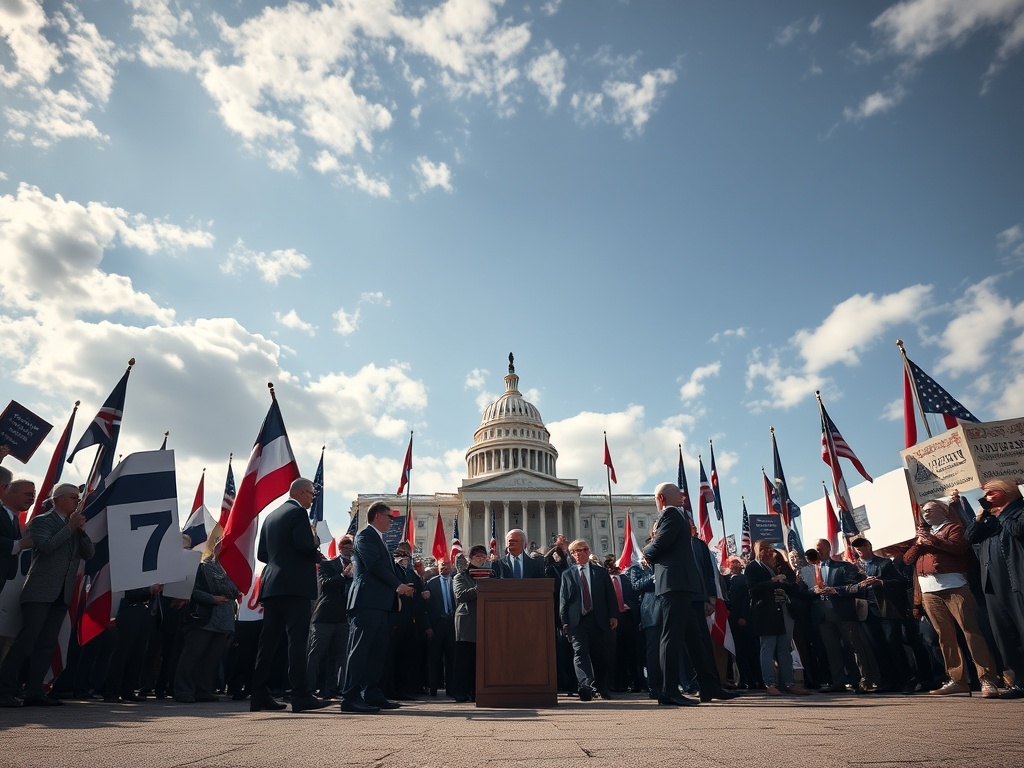
Polarization springs from multiple sources: ideological sorting, social identity, media ecosystems that reward outrage, and structural incentives in electoral systems. Recognizing that polarization is driven by incentives—not just bad actors—helps focus solutions on changing systems and behaviors rather than assigning blame.
Promote structured, civil conversations
Casual debates often entrench positions. Structured dialogue techniques—such as facilitated small groups, deliberative forums, and listening circles—encourage participants to share personal experiences and weigh trade-offs. These settings emphasize understanding and problem-solving over scoring rhetorical points, which makes compromise more likely.
Reform electoral incentives
Electoral rules shape political behavior.
Voting systems that favor broad support over narrow pluralities reduce the payoff for extreme positions. More competitive primaries and systems that encourage cross-cutting coalitions can incentivize candidates to appeal to a wider range of voters.
Local reforms—like nonpartisan primaries and ranked-choice voting—give communities tools to reduce winner-take-all pressures.
Strengthen local governance and collaboration
Local government is often where politics is least ideological and most pragmatic. City councils, school boards, and regional planning bodies routinely manage shared problems such as transportation, public health, and housing. Promoting civic engagement at the local level exposes people to cross-ideological collaboration and tangible results, which builds trust in democratic institutions.
Improve information ecosystems
Media literacy and responsible journalism matter. Encourage news habits that prioritize multiple reputable sources, fact-checking, and context over sensationalized coverage. Platforms, publishers, and community organizations can promote digital literacy programs that teach people how to evaluate claims and spot misinformation without dismissing concerns outright.
Incentivize bipartisan problem-solving
Policymaking bodies can be structured to reward cooperation. Examples include cross-party working groups, bipartisan task forces for technical issues, and procedural rules that protect minority rights while rewarding consensus-building. When policymakers interact regularly in problem-focused settings, incentives shift from scoring political points to delivering services.
Invest in civic education
A well-informed electorate is better equipped to navigate trade-offs and evaluate policy claims. Civic education that emphasizes critical thinking, the mechanics of government, and deliberative skills helps citizens engage constructively. Schools, libraries, and community groups can all play a role in renewing civic knowledge.
Prioritize shared projects and common ground
Large-scale divides are easiest to bridge when people work together on shared goals—public parks, disaster preparedness, community policing initiatives, or neighborhood planning. Shared projects create repeated interactions and mutual dependence that soften identity-based hostility.
What individuals can do now
– Listen to understand: ask questions that reveal values and priorities.
– Seek diverse information: follow reliable sources across the spectrum.
– Participate locally: attend meetings, volunteer, or serve on boards.
– Model civility: demonstrate respect, not agreement, during disagreement.
Reducing polarization is not a quick fix, but small-scale changes compound. By adjusting institutions, incentives, and everyday habits, communities can restore norms of cooperation and create political spaces where pragmatic solutions outshine partisan scores. Start with local action—the payoff is often more immediate and more durable than national-level gestures.