Dark Money Explained: How Hidden Campaign Spending Shapes Policy and How to Restore Transparency
What gets spent on politics and who pays for it are central to the health of representative government. When large donations and opaque funding channels dominate the conversation, policy priorities can shift away from broad public interest toward the agenda of a few well-funded actors. Understanding how modern campaign finance works — and how to reduce the influence of hidden spending — is key for voters, journalists, and policymakers.
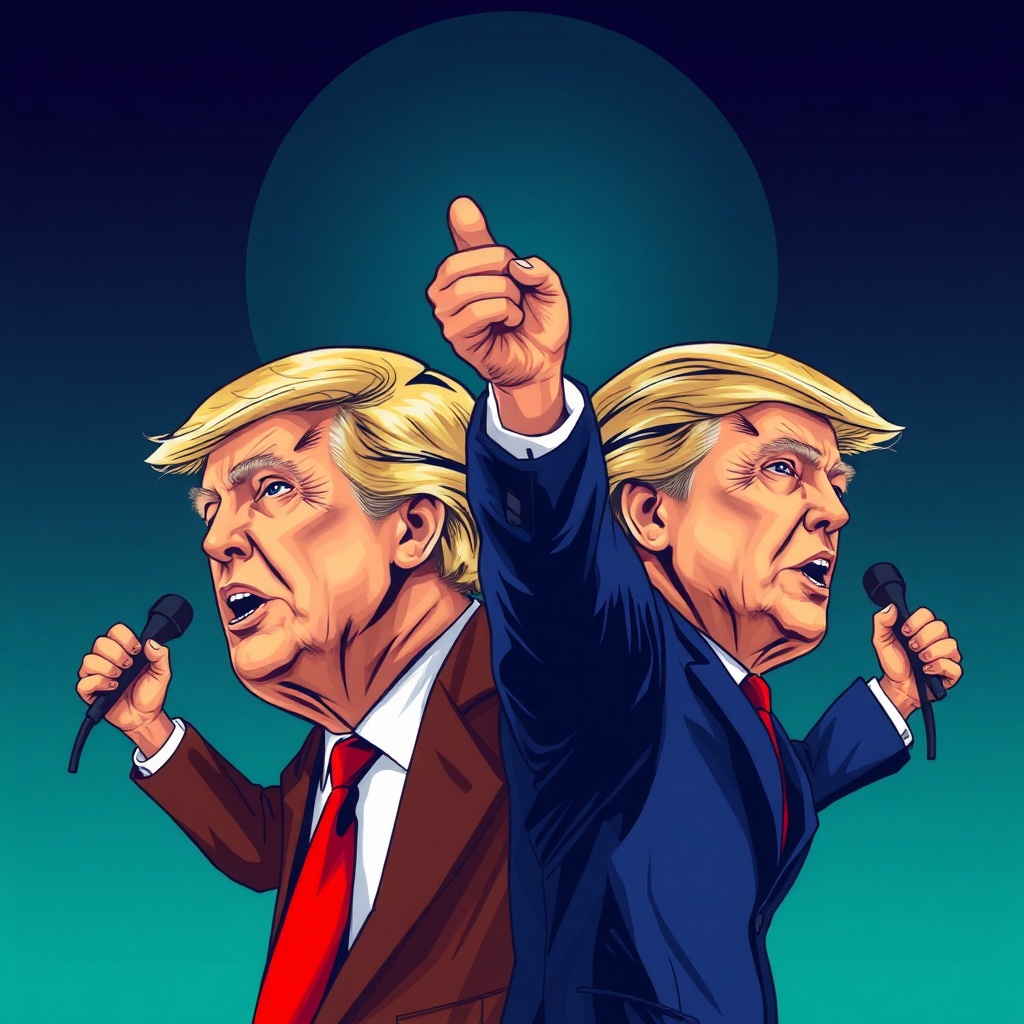
What is “dark money”?
Dark money refers to political spending where the original source of funds is not disclosed to the public. It commonly flows through nonprofit groups, shell organizations, and complex ownership structures that can mask donors’ identities. This money often pays for advertising, research, lobbying, and other activities intended to influence elections and policy debates without transparent accountability.
Why hidden spending matters
– Distorts priorities: When policy debates are financed by concealed interests, elected officials may feel greater pressure to align with those funders rather than with constituents.
– Erodes trust: Lack of transparency feeds public cynicism and diminishes trust in institutions. Voters who cannot see who is influencing decisions are less likely to engage.
– Enables foreign influence: Opaque channels can be exploited to funnel foreign money into domestic politics, risking undue external sway over internal affairs.
– Skews the playing field: Independent candidates, small organizations, and grassroots movements struggle to compete when large, well-funded groups operate anonymously.
Common vehicles for hidden spending
– Issue-based nonprofits with limited disclosure obligations
– Trade associations and membership groups that aggregate corporate funds
– Political committees with permissive donor-reporting rules
– LLCs and shell corporations used to shield donor identity
Paths to greater transparency
– Strengthen disclosure laws: Requiring timely, accessible reporting of donors and expenditures reduces anonymity and makes it easier for watchdogs and journalists to connect the dots.
– Improve enforcement: Robust investigative capacity and meaningful penalties deter rules violations and signal that transparency requirements matter.
– Close loopholes: Tightening definitions of political activity and narrowing exemptions for certain nonprofit categories helps bring more spending into the light.
– Boost public financing: Matching small-dollar donations and providing grants or vouchers for campaigns can amplify ordinary voters and diminish reliance on big donors.
– Leverage technology: Centralized, searchable databases and standardized digital reporting improve public access to campaign finance records and enable faster analysis by media and civic groups.
What citizens and journalists can do
– Use public databases: Regularly consult official campaign finance repositories and nonprofit filings to track major spenders.
– Ask pointed questions: Contact candidates, elected officials, and organizations to demand clarity about donor relationships and funding sources.
– Support local reforms: Municipal and state-level transparency measures can create momentum and set best-practice examples.
– Follow the money narratives: Stories that trace funding chains and show policy outcomes tied to spending resonate with voters and drive accountability.
Policymakers face trade-offs between free speech protections and disclosure needs, but the core principle is straightforward: a healthy democracy depends on informed voters. When money in politics is transparent, citizens can weigh interests, journalists can investigate, and public debate becomes more robust.
Pushing for practical reforms that increase visibility, strengthen enforcement, and empower small donors can rebalance influence and restore trust in democratic processes.