Congressional Oversight Explained: Tools, Limits, and How Citizens Can Follow and Influence
Congressional oversight matters: how it works, why it matters, and how citizens can follow and influence the process
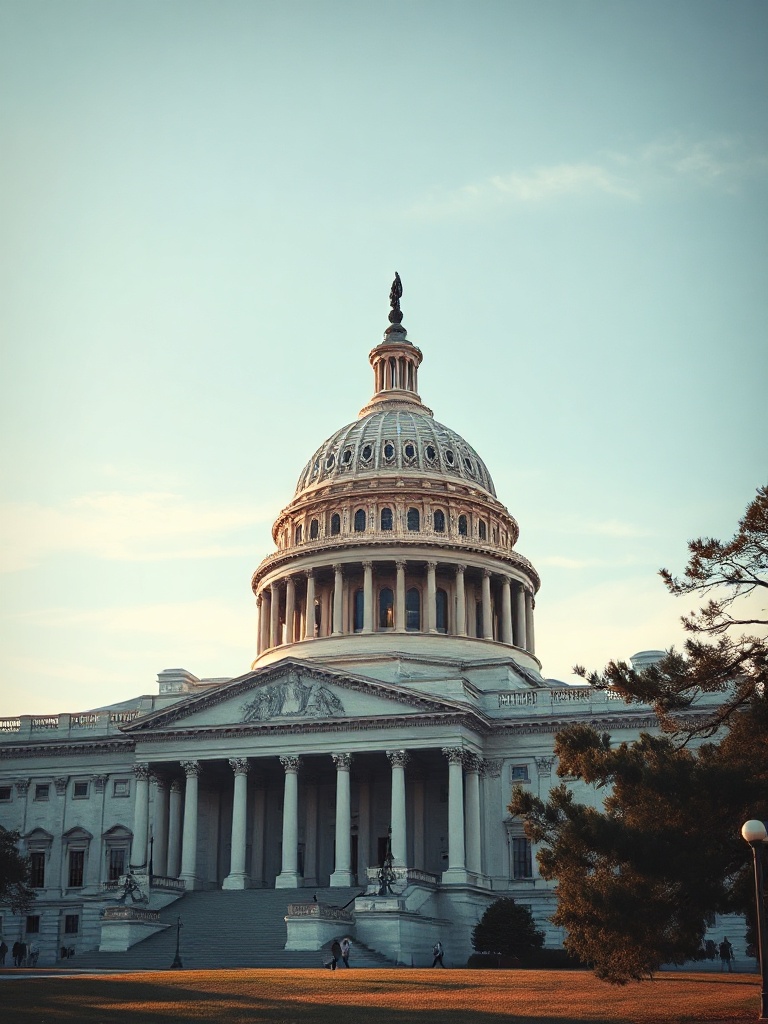
Congress has two core responsibilities beyond lawmaking: representing constituents and overseeing the executive branch. Oversight is how Congress gathers information, holds agencies and officials accountable, and shapes policy by exposing problems and proposing fixes. Understanding the tools and limits of congressional oversight helps citizens, businesses, and organizations navigate inquiries and engage meaningfully.
Key oversight tools and how they’re used
– Hearings and depositions: Committees summon witnesses to testify under oath. Public hearings can shape public opinion, while closed depositions let investigators gather detailed testimony.
– Subpoenas: Committees issue subpoenas for documents or testimony. Compliance is often negotiated, but refusal can lead to court fights or contempt citations.
– Document requests and investigations: Committees request records from agencies and private entities. Preservation notices and targeted requests can reveal internal policies or irregularities.
– Reports and referrals: Committees publish reports summarizing findings. They can refer matters to inspectors general, federal prosecutors, or other agencies for enforcement.
Limits and legal checks
Oversight power is broad but not unlimited. Executive privilege can block certain disclosures, prompting litigation.
Courts often balance separation-of-powers concerns against Congress’s need for information, so some disputes are resolved through negotiation or litigation that can take months. Private entities sometimes seek protective orders to limit public disclosure of sensitive materials.
How oversight shapes policy and accountability
Investigations do more than make headlines. They can:
– Prompt regulatory changes by exposing enforcement gaps.
– Lead to legislative fixes that close loopholes or increase transparency.
– Result in administrative discipline, resignations, or criminal referrals.
– Influence budget decisions by shaping how lawmakers allocate resources to agencies.
What organizations and individuals should do if contacted
– Take requests seriously and preserve relevant records immediately. Spoliation can lead to legal penalties.
– Communicate with legal counsel early.
Counsel can negotiate scope, timing, and format of testimony or document production.
– Understand the difference between voluntary cooperation and compelled testimony.
Voluntary cooperation can be framed to protect confidentiality; subpoenas change the legal dynamic.
– Prepare witnesses thoroughly for hearings, including media training for public testimony.
How to follow and engage
Staying informed gives constituents influence. Ways to engage:
– Watch hearings online—many committees livestream and archive proceedings.
– Read committee reports and press releases to track findings and recommendations.
– Contact your representative or senator with specific concerns and ask how oversight findings might affect local priorities.
– Support transparency initiatives and public-interest groups that analyze committee actions.
Bipartisan oversight remains valuable
Oversight is most effective when it rises above partisan theater. Bipartisan investigations carry more credibility and are likelier to produce substantive policy changes. Citizens and watchdog organizations can encourage constructive oversight by demanding facts-based inquiries and resisting purely partisan posturing.
Oversight is a continuous process
Congressional oversight is not a one-off event; it’s a constant part of the governance cycle that informs lawmaking, budgeting, and public accountability. For stakeholders, the best approach is to be prepared, transparent where possible, and proactive in responding to inquiries. For voters, staying engaged and informed about oversight activity is a practical way to influence how government functions and to ensure public officials are held accountable.