1. “Democratizing Discourse: How Social Media is Reshaping Modern Politics”
The advent of social media has revolutionized numerous aspects of modern life, and political discourse is no exception. Social media platforms have become the new forum, fostering robust debate, discussion, and political engagement from all corners of the globe.
Understanding the Role of Social Media in Politics
Social media has, in many ways, democratized political conversation by providing a platform to voices outside the traditional political elite.
With the click of a button, anyone with a smartphone can contribute to the political conversation, revealing a plurality of views that might have otherwise remained hidden.
Moreover, social media platforms like Twitter, Facebook, and Instagram have become powerful tools for political campaigns. They offer an efficient way for candidates to reach large audiences, share their platforms, and rally support.
In essence, social media has become a direct channel of communication between politicians and the public.
The Power of Virality in Political Messaging
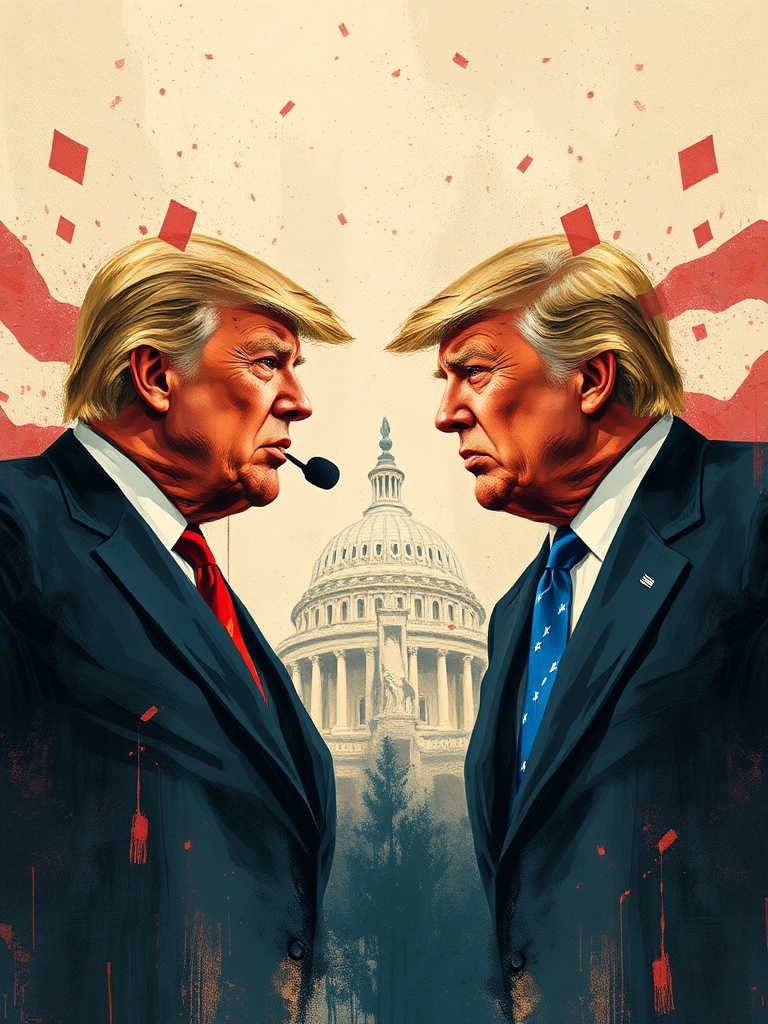
One fascinating aspect of social media’s influence on politics is the power of virality. A single tweet, post, or video can spread like wildfire, reaching millions of people virtually overnight. This dynamic has transformed political messaging, allowing for rapid dispersion of political narratives that can shape public perception and influence voter behavior.
While the prospect of viral messaging can provide enormous potential for positive engagement, it also poses challenges. The rapid spread of information can sometimes outpace fact-checkers and allow for the dissemination of misinformation, which can distort public understanding of critical issues.
The Emergence of Digital Activism
Beyond traditional politics, social media has also given rise to new forms of digital activism. Hashtags have become rallying cries, mobilizing people around specific causes and issues.
Online movements like BlackLivesMatter and #MeToo have demonstrated the powerful role social media can play in driving societal change.
This digital activism has also provided a platform for marginalized groups to amplify their voices. It has been instrumental in bringing attention to issues that mainstream media might otherwise overlook.
Nurturing Responsible Use of Social Media in Politics
While the impact of social media on politics is profound, it also calls for responsible use. The spread of misinformation can be harmful, leading to polarized societies and distorted public discourse. It is essential that political figures, social media companies, and users understand the power and potential pitfalls of these platforms.
Social media companies have a responsibility to curb the spread of misinformation on their platforms.
This can be achieved through enhanced fact-checking protocols, transparency in content algorithms, and policies that ensure the veracity of political advertisements.
On the other hand, as consumers of information, we also have a role to play. We need to approach social media content critically, fact-checking information that seems suspect, and being cautious about what we choose to share.
In the realm of politics, social media is a double-edged sword – it offers the power to democratize discourse and mobilize support, but it also has the potential to spread misinformation and distort discourse. Navigating this landscape responsibly is a collective responsibility, one that will define the future of political communication.