White House Visitor Guide: Tours, Security, Accessibility & Top Highlights
White House Guide: What Visitors and Curious Minds Should Know
The White House serves as both a working office and a symbolic residence, blending public showcases, historic rooms, and contemporary operations. Whether you’re planning a visit or simply want a clearer picture of how it functions, this guide highlights practical visitor tips, notable features, and what to expect right now.
What the White House is like today
– Dual role: It operates as the primary residence and office for national leadership while hosting official ceremonies, press briefings, and diplomatic receptions. That mix creates a unique environment where living quarters, formal state rooms, and secure workspaces coexist.
– Preservation and modernization: Historic preservation is balanced with modern updates. Expect careful restoration of interiors alongside upgrades in technology, security, and building systems that improve efficiency and visitor experience.
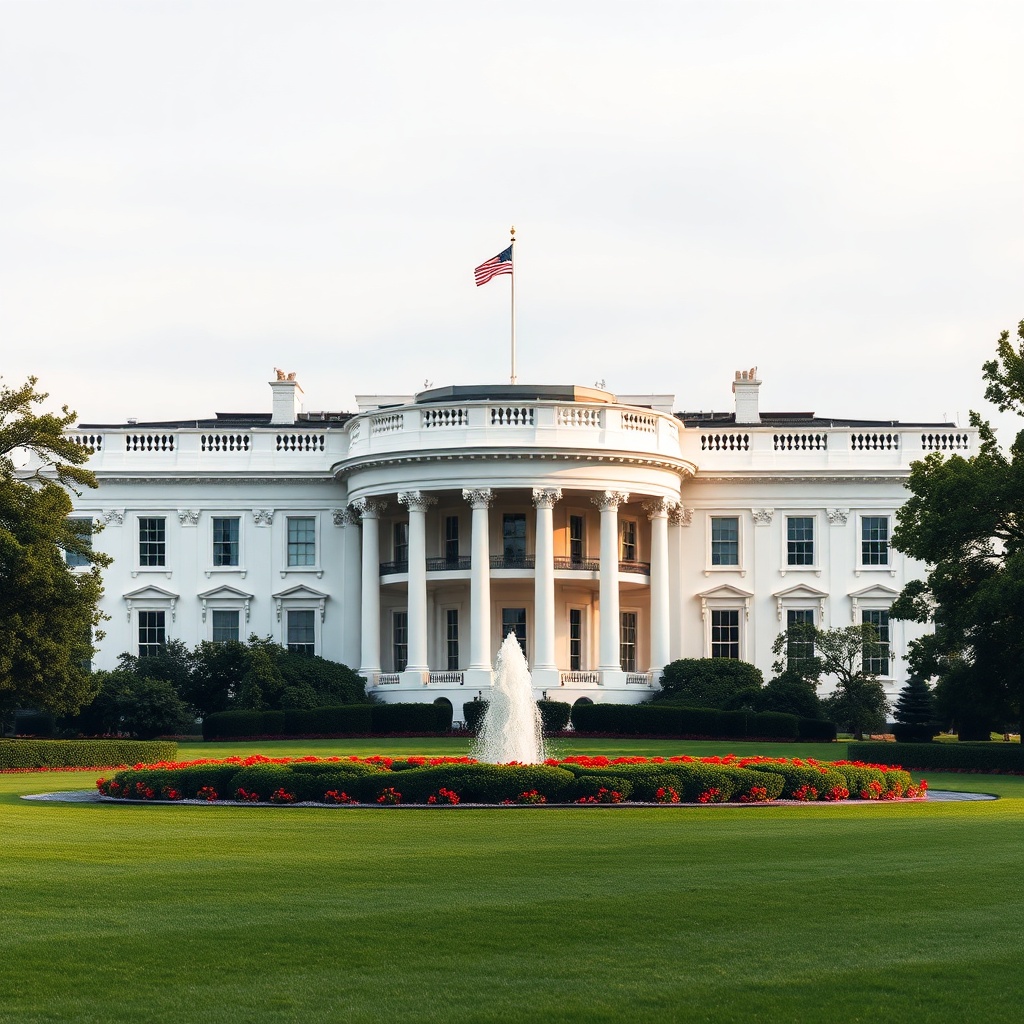
– Cultural treasure: The White House Art Collection includes paintings, decorative arts, and furniture that reflect broad aspects of national history and artistic trends. Rotating displays and temporary exhibitions often highlight stories tied to administration priorities or national anniversaries.
Planning a visit: public tours and access
– Tour availability: Public tours are offered with advance registration through congressional offices or the appropriate visitor services channels. Tours provide access to selected State Rooms and include historical context provided by trained staff.
– Security and screening: Entry requires photo identification and adherence to strict security protocols.
Expect metal detectors, bag checks, and restrictions on items such as large bags, food, and certain electronics.
– Accessibility: Many visitor routes are accessible, and accommodations can be arranged for mobility or sensory needs. Contact visitor services ahead of time to get specific guidance.
Highlights to look for during a visit
– State Rooms: The East Room, State Dining Room, and Blue and Red Rooms are often featured on tours, showcasing formal interiors and decorative arts.
– Grounds and gardens: The South Lawn, Rose Garden, and other outdoor areas host ceremonies and seasonal plantings.
Although some areas are off-limits during events, views from visitor points offer impressive photo opportunities.
– Public programming: Lectures, temporary exhibitions, and outreach events happen periodically and can be a great way to experience the White House beyond the standard tour.
Practical tips for visitors
– Book early: Tours fill quickly, so arrange permissions through your representative or official visitor portal as soon as possible.
– Bring ID and arrive early: Security processing takes time. Bring government-issued photo ID and allow extra time for screening.
– Dress and behavior: Dress respectfully—business casual is common—and be prepared to follow staff instructions. Photography rules vary; staff will advise on what’s permitted.
– Check updates: Public access can change due to official events, security needs, or maintenance. Verify tour status shortly before your trip.
Why a visit matters
A White House visit combines architectural splendor, art, and living history with a close-up look at national governance. Whether you’re drawn to the historic interiors, the paintings and furnishings, or the sense of being in a place where important decisions unfold, a thoughtful visit offers personal insight into national life and civic institutions.
For current tour details and the latest visitor guidance, consult official visitor information channels before making plans.