How Congress Works and How You Can Influence It: A Practical Guide to Contacting Representatives, Tracking Bills, and Building Local Support
How Congress Works — and How Citizens Can Influence It
Congress is the nation’s primary legislative body, balancing lawmaking, budget authority, and oversight of the executive branch. Understanding how it operates makes it easier to follow major public debates and to influence the issues that matter most at the local level.
Basic structure and processes
Congress is bicameral, composed of two chambers with distinct rules and roles. The lower chamber originates many spending and tax measures and tends to be more responsive to immediate constituent concerns. The upper chamber provides longer terms and a unique set of procedures that can shape debate and final outcomes.
Most legislation moves through committee work first: committees draft, amend, and hold hearings on proposals before they reach the full chamber.
Conference or similar reconciliation steps resolve differences when each chamber passes competing versions.
Key procedural levers
– Committees: Members gain expertise and influence through committee assignments.
Much of the substantive policy work—witness testimony, markups, and amendments—happens here.
– Floor rules: Timing, debate limits, and amendment processes differ between chambers and can determine whether a bill reaches a final vote.
– Filibuster and cloture: In the upper chamber, extended debate can be ended by a cloture vote that requires a supermajority threshold, which affects how easily legislation advances.
– Reconciliation: Budget-focused measures can sometimes bypass some procedural hurdles and pass with a simple majority, but their scope is limited by explicit budget rules.
Oversight and accountability
Oversight is a core congressional function. Through hearings, subpoenas, and reports from nonpartisan bodies, lawmakers review executive actions, federal spending, and regulatory decisions.
Independent auditing and investigative units provide data and findings that committees use to hold agencies accountable. Transparency continues to expand through more public hearings and searchable legislative databases, making it easier for the public and press to follow developments.
How constituents can effectively engage
– Contact officials strategically: Clear, concise messages that explain the ask and how it affects your community are more effective than generic statements. Include your zip code to ensure your message reaches the right office.
– Share personal stories: Elected officials and their staff respond to real examples of how a policy affects constituents.
Concrete narratives often carry more weight than broad statistics.
– Attend town halls and local events: These forums create direct contact with representatives and provide public records of constituent concerns.
– Testify and submit comments: For committee hearings and rule-making processes that accept public input, prepare focused testimony or written comments that reference relevant facts and local impacts.
– Build coalitions: Partnering with local organizations, businesses, faith groups, or other stakeholders multiplies influence and demonstrates broad support.
– Track legislation: Use official legislative sites and nonpartisan trackers to monitor bill language and procedural deadlines so you can time outreach before key votes.
Media and messaging
Local media coverage amplifies constituent priorities. Op-eds, letters to the editor, and coverage of community events can spotlight issues and pressure lawmakers. Social media provides rapid feedback loops, but direct outreach—phone calls and personalized emails—remains crucial for staffers who track constituent sentiment.
Staying engaged
Regular monitoring of committee calendars, bills, and member statements helps citizens act when opportunities arise.
Small, consistent efforts—reaching out before a pivotal vote, attending a hearing, or mobilizing neighbors—often have more impact than one-off actions.
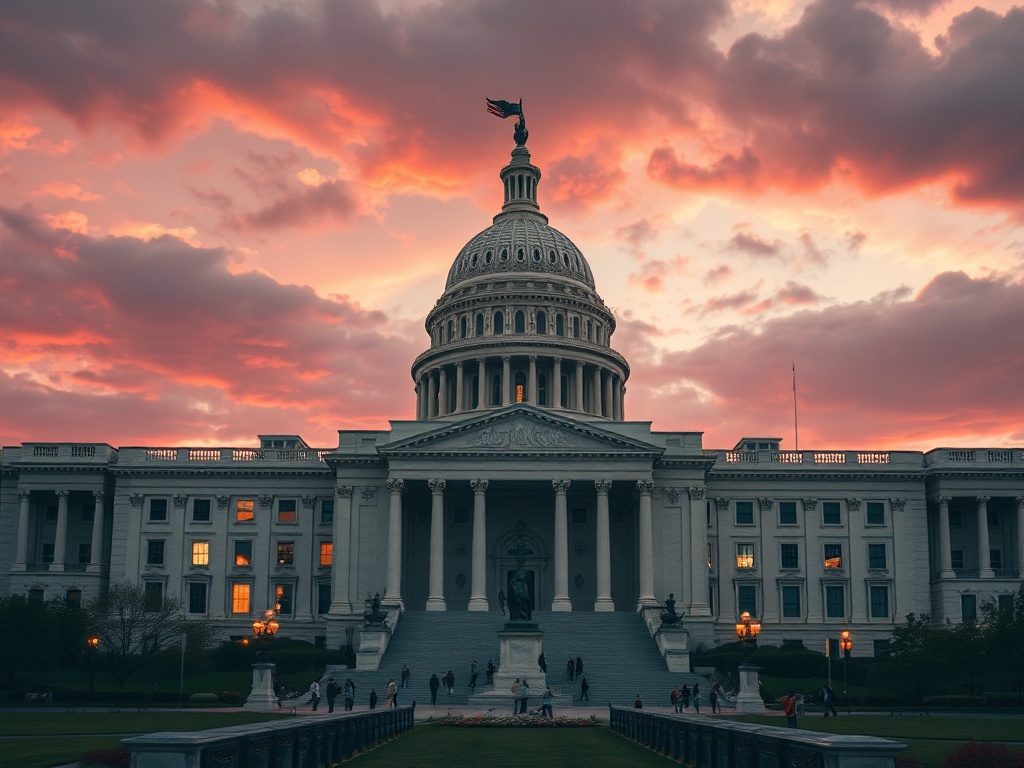
Active civic participation ensures Congress hears the concerns of its constituents while maintaining democratic responsiveness and accountability.