How to Visit the White House: Tickets, Tours, Security & Visitor Tips
Planning a visit to the White House mixes history, ceremony, and very practical preparation. Whether the goal is a public tour, attending a special event, or simply watching the president’s press briefing, knowing how the White House operates and what to expect helps turn a short trip into a memorable experience.
What you can see and how to get in
Public tours of the White House are free but require advance arrangements. Requests usually go through a member of Congress for citizens, or through an embassy for foreign visitors. Because demand is high, submit requests as early as possible — tickets are limited and often allocated well before the requested date.
Regular tours typically focus on the public rooms of the Executive Residence and parts of the East Wing. The West Wing and the Oval Office are not part of routine public tours except for official events or specially arranged visits. Separate registration is required for signature events held on the South Lawn and the White House grounds, such as the annual Easter Egg Roll and holiday programming.
Security and entry requirements
Expect a robust security process. Visitors must undergo background checks as part of the booking and show government-issued photo ID at entry. Many everyday items are prohibited to ensure visitor and staff safety — common examples include bags of any size, food and drink, drones, large cameras, and any type of weapon.
Photography is generally allowed on tours only in certain rooms and always subject to staff instructions. Dress comfortably and be prepared to pass through metal detectors.
Accessibility and visitor services
Tours are designed to be inclusive. Wheelchair access is available, and staff can accommodate other mobility needs with advance notice. Americans with disabilities looking for accommodations should request them through the same office that arranges the tour.
The White House Visitor Center, run by partner organizations, provides additional exhibits, orientation, and resources for planning a visit.
What to expect inside
The public rooms offer a chance to see grand historic interiors and rotating exhibits that highlight presidential history, official functions, and the home’s evolving design. Guides and exhibits explain the function of spaces like the State Dining Room, the Cross Hall, and formal parlors. While the site is steeped in tradition, visitors will also glimpse how the residence adapts for modern living and official business.
Media, briefings, and public engagement
For those following national news, the White House maintains regular public communications, including press briefings held in the press briefing room and statements issued through official channels. Major announcements and live events are often streamed and covered by the press corps, making it possible to follow developments even when access to the complex is limited.
Sustainability and preservation efforts
Ongoing preservation balances public access with the need to protect historic architecture and artifacts.
Efforts to improve sustainability, energy efficiency, and resilience have become more visible, with projects aimed at reducing environmental impact while preserving the site’s historic character.
Tips for a smooth visit
– Submit tour requests well ahead of your trip through the appropriate congressional or embassy channel.
– Carry valid photo ID and arrive early for security screening.
– Check the official White House website and your tour confirmation for the most current visitor policies and prohibited items.
– Reserve separate tickets for special events, which require their own registration processes.
– Visit the White House Visitor Center for context and planning details before or after the tour.
A White House visit blends public civic life with private residence and living history.
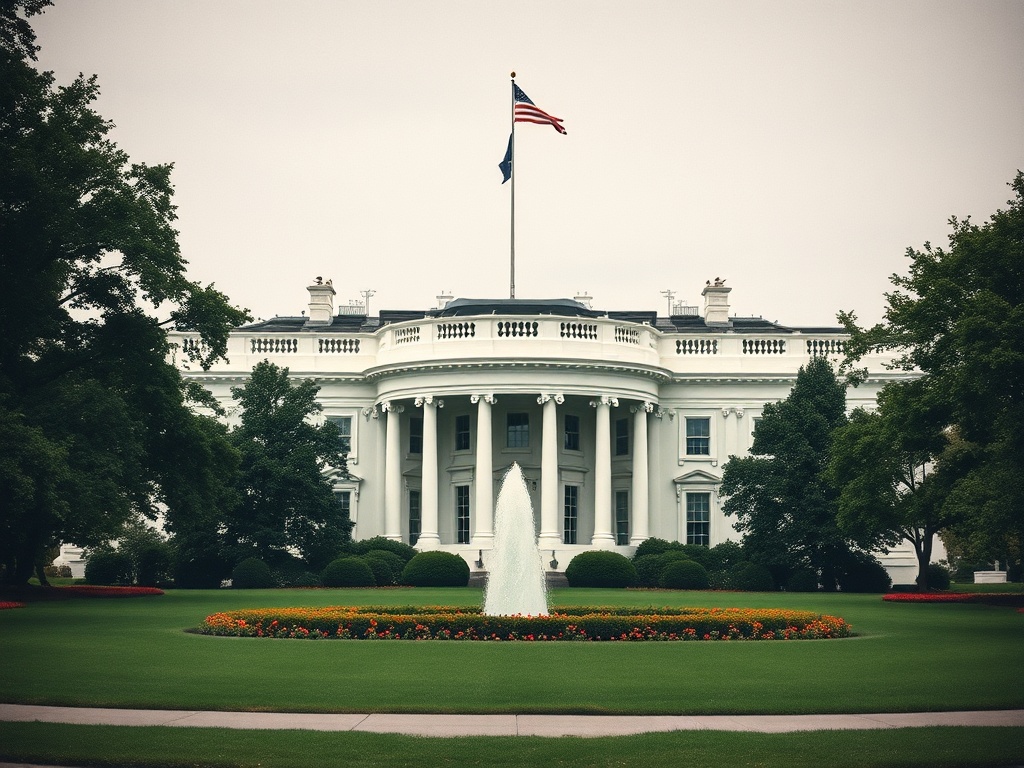
With a bit of planning and awareness of procedures, a tour can be a meaningful way to connect with national history and observe the day-to-day operations that support the presidency.