Inside the White House: How It Balances Public Access, Preservation, Modernization, and Sustainability
The White House remains one of the most recognizable symbols of leadership, public service, and national identity. Beyond the iconic exterior and the Oval Office, the White House functions as a living, evolving institution—balancing history, public access, communications, and modern sustainability practices.
Public access and visitor experience
Visiting the White House continues to be a high-demand experience. Public tours and special events provide a rare chance to see state rooms, curated collections of American art, and historically significant spaces. Visitor policies and security screening shape the experience: planning ahead, understanding tour restrictions, and using official channels for requests are essential. Special seasonal events on the South Lawn and Rose Garden draw public attention and highlight the building’s ceremonial role.
Communications and transparency
How the White House communicates with the public has evolved rapidly. Traditional press briefings remain central to daily information flow, while livestreamed events, official social media channels, and multimedia platforms broaden reach. The integration of real-time updates helps convey policy decisions, announcements, and responses during national emergencies. Press operations balance speed with accuracy, coordinating spokespeople, advance materials, and on-the-record briefings to support transparent governance.
Modernization and technology
Modern technology upgrades are a priority across the campus. Secure communication systems, updated IT infrastructure, and resilient operations support both daily functions and crisis response. Technology also enhances visitor engagement: virtual tours, archival digitization, and accessible online resources bring the White House experience to a global audience. Cybersecurity remains a top concern, with continuous efforts to protect sensitive communications and public services.
Sustainability and the White House grounds
Sustainability initiatives have become increasingly visible on the White House grounds. The kitchen garden, pollinator-friendly plantings, and energy-efficiency measures demonstrate how historical properties can adopt environmentally responsible practices. Landscaping choices on the Ellipse and Rose Garden often reflect broader messages about food security, urban agriculture, and conservation, while maintenance practices aim to preserve historic plantings and support biodiversity.
Preservation and the arts
Preserving the architecture, furnishings, and art collections is a long-term commitment. Curators and conservators manage everything from antique furniture to presidential portraits, ensuring each piece receives careful restoration when needed. Public-facing exhibitions, scholarly access, and rotating displays help keep the White House’s cultural heritage relevant. Efforts to balance modern needs with preservation standards shape decisions about renovations and upgrades.
Security and public safety
Protecting the White House and those who work and visit there requires layered security measures. Visible barriers, controlled access points, and coordinated law enforcement efforts are part of a broader security ecosystem that also includes intelligence, airspace restrictions, and emergency preparedness planning.
These measures aim to enable public engagement while maintaining safety for officials and visitors alike.
Civic symbolism and public events
Beyond policy and operations, the White House serves as a stage for national moments—state visits, award ceremonies, and public recognitions.
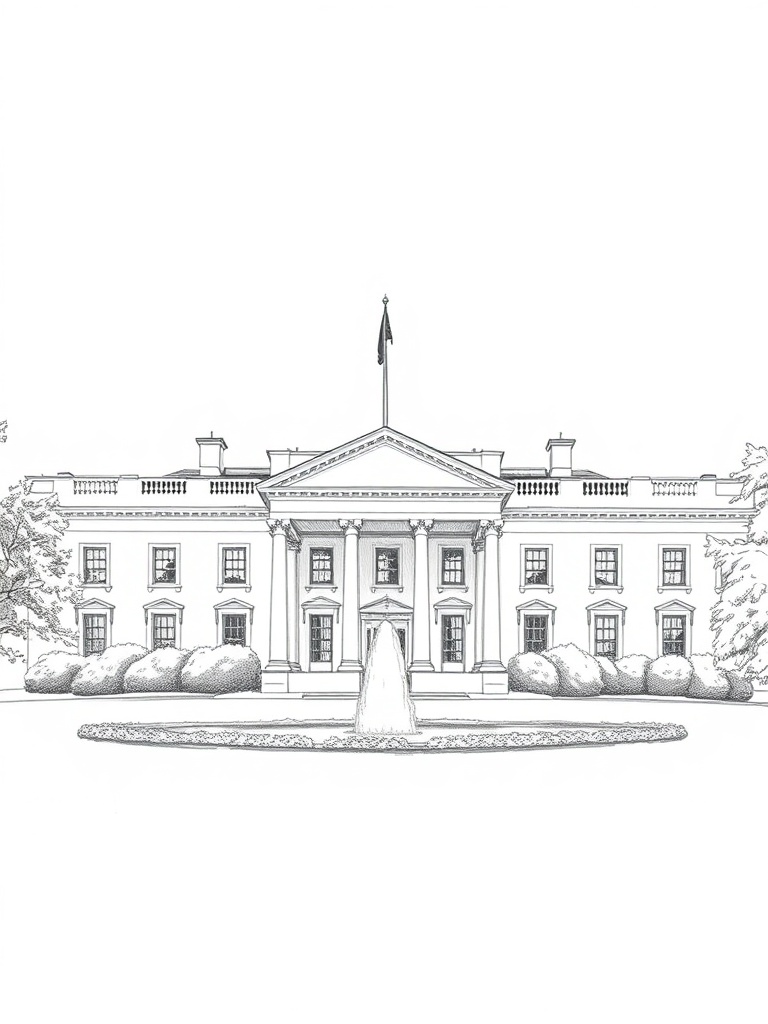
Cultural programs, holiday celebrations, and community initiatives highlight the building’s role as both an administrative hub and a civic symbol.
These events are opportunities to reflect national priorities, honor service, and engage citizens.
Whether approached as a historic landmark, a working office, or a center of communication, the White House continues to adapt to changing expectations. By combining preservation, modernization, and public outreach, it remains both a guardian of tradition and a platform for contemporary civic life.