Inside the White House: A Living Museum, Visitor Guide & Preservation
White House: A Living Museum at the Heart of American Public Life
The White House is more than an official residence and workplace — it functions as a living museum, a stage for diplomacy, and a public-facing symbol of national history. Visitors and observers alike are drawn to its blend of ceremonial grandeur and everyday governance, and ongoing efforts balance preservation with the demands of a modern executive office.
Historic rooms with daily purpose
The State Rooms, from the Oval Office’s ceremonial spaces to intimate family quarters, tell layered stories.
Curators carefully manage furnishings, artwork, and textiles to protect original pieces while making spaces suitable for official functions. Tours highlight this dual role: they invite the public into richly furnished rooms where historic events unfolded, yet those same rooms host state receptions, official meetings, and cultural programming.
Public access and visitor experience
Public tours and the Visitor Center provide accessible ways to engage with the White House’s history. Security screening and advance registration are standard, and itineraries often include the East Wing, State Rooms, and exhibits that rotate to reflect different themes. For people planning a visit, booking early through official channels and being prepared for security procedures improves the experience. Outreach programs and digital exhibits also expand access for those who cannot tour in person.
Gardens, sustainability, and public programming
The White House grounds are an ecological and cultural asset. The Rose Garden and South Lawn serve as venues for press briefings, garden tours, and signature public events like family-oriented celebrations. Recent landscaping and horticultural projects emphasize native plantings, pollinator-friendly beds, and sustainable irrigation, reflecting broader public interest in climate resilience and urban green spaces. Educational programming often ties gardening practices to conservation messaging.
Preservation amid modernization
Maintaining a centuries-old complex that functions as a secure, modern workplace requires constant investment. Infrastructure upgrades — from heating and cooling systems to discreet telecommunications and accessibility improvements — are approached with sensitivity to historic fabric. The Office of the Curator works closely with preservation specialists to ensure updates meet technical needs without compromising historical integrity.
Ceremony, culture, and diplomacy
State dinners, official receptions, and cultural performances demonstrate the White House’s role in ceremonial diplomacy and soft power. These events showcase craftsmanship from the nation’s cultural institutions and offer opportunities to honor artistic achievement. Public-facing celebrations, including family-oriented traditions, maintain a direct link between the executive residence and civic life.
Engaging with the White House beyond a visit
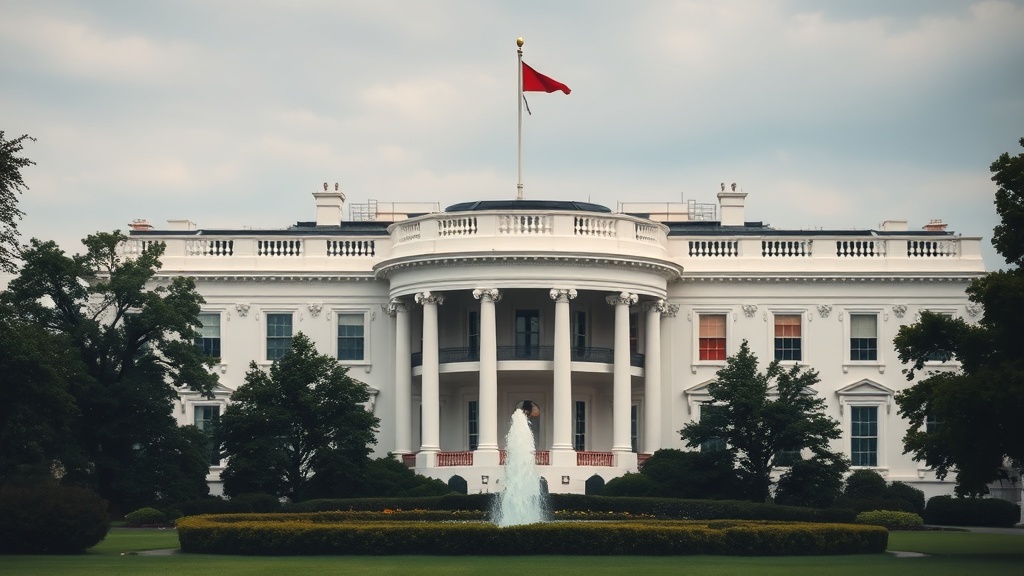
For those who cannot attend in person, many resources exist: virtual tours, digital archives, and educational materials provided by the White House Visitor Center and partnering institutions.
Published guides and exhibitions from historical associations complement official resources, offering deeper dives into architectural evolution, presidential artifacts, and the stories behind key rooms.
Tips for visitors
– Check official channels for tour policies and registration requirements.
– Allow extra time for security screening and Visitor Center exhibits.
– Explore nearby museums and memorials to contextualize a White House visit.
– Take advantage of digital offerings to preview rooms and exhibitions.
The White House remains a dynamic intersection of history, governance, and public life. Whether experienced in person or virtually, its blend of ceremonial tradition and ongoing modern adaptation offers a powerful window into national storytelling and civic engagement.