Tackling Polarization and Misinformation: Practical Steps to Restore Democratic Discourse
How Polarization and Misinformation Are Reshaping Democratic Conversation—and What Can Be Done
Political polarization and the spread of misinformation have become defining features of public life, changing how people form opinions, choose leaders, and engage with democratic institutions. Understanding the mechanics behind this shift is essential for anyone concerned about the health of civic discourse.
Why polarization intensifies
Polarization grows when social, economic, and cultural differences align with political identity.
Media ecosystems that reward outrage, personalized content feeds, and partisan news sources create echo chambers where people encounter mainly confirming information.
Algorithms amplify emotionally charged content because it drives engagement, and that often means the most extreme voices rise to prominence while moderate or nuanced perspectives are marginalized.
The role of misinformation
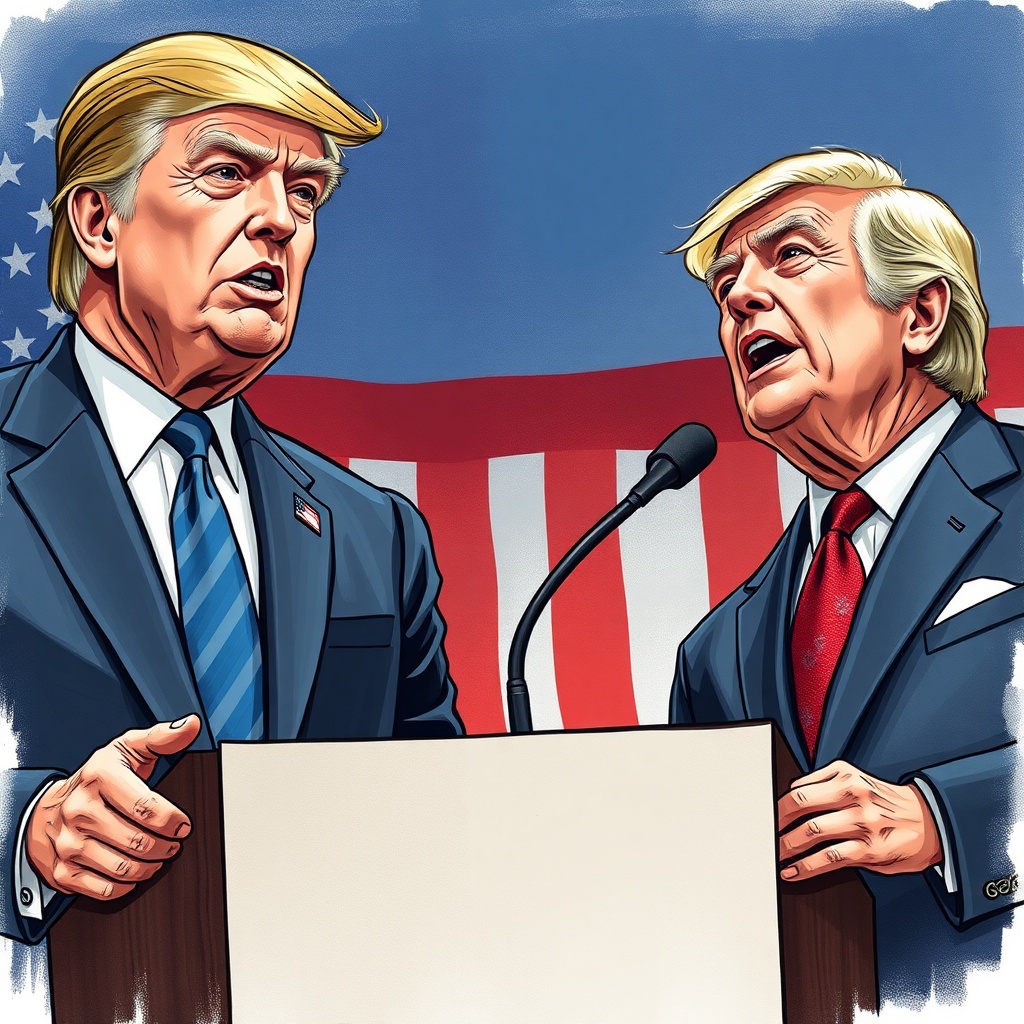
Misinformation leverages the same dynamics. False or misleading claims spread rapidly when they tap into existing beliefs and fears. Bad actors—state-affiliated operators, political actors, or opportunistic influencers—exploit weak points in information flows, using bots, deepfakes, and coordinated disinformation campaigns to sow confusion or distrust. The result undermines public confidence in institutions, discourages compromise, and can depress civic participation.
Institutional vulnerabilities
Many democratic systems were designed for an era of mass broadcast media, not instantaneous digital networks. Electoral infrastructure, campaign finance rules, and legal frameworks for content moderation are often outpaced by technological change. Additionally, partisan gerrymandering, lack of transparency in political advertising, and uneven access to accurate information exacerbate divisions and create incentives for zero-sum politics.
Practical fixes that make a difference
– Strengthen media literacy: Teaching students and adults to evaluate sources, check claims, and understand bias reduces the reach of misinformation.
Community programs and public campaigns can make media literacy accessible beyond the classroom.
– Increase transparency: Requiring clear labeling of political ads, disclosure of funding sources, and easier access to data about who amplifies content helps voters make informed choices.
– Reform incentives: Platforms and regulators can encourage design changes that reduce virality of demonstrably false information—promoting context, credible sources, and friction for sharing sensational claims.
– Protect election infrastructure: Investing in cybersecurity and clear procedures for auditing results builds public trust and resilience against interference.
– Support independent fact-checking: Cooperative models between journalists, tech companies, and civic groups can speed correction of false claims while preserving free expression.
– Encourage electoral reforms: Mechanisms such as independent redistricting commissions, ranked-choice voting, and stronger campaign finance disclosure can reduce extremism and reward coalition-building.
What individuals can do
Everyday actions matter. Diversifying where you get news, pausing before sharing inflammatory posts, checking claims against reputable outlets, and contacting elected representatives about transparency and reform all contribute to healthier discourse. Participating in local civic activities—town halls, school boards, and community organizations—builds relationships across differences and reduces mistrust.
A path forward
Political polarization and misinformation pose serious challenges, but they are not inevitable outcomes. With targeted reforms, better education, and informed civic engagement, democratic communities can create information environments that reward accuracy, encourage deliberation, and make governing processes more inclusive and resilient. Small changes in how information flows and how institutions operate can yield outsized benefits for public trust and democratic stability.